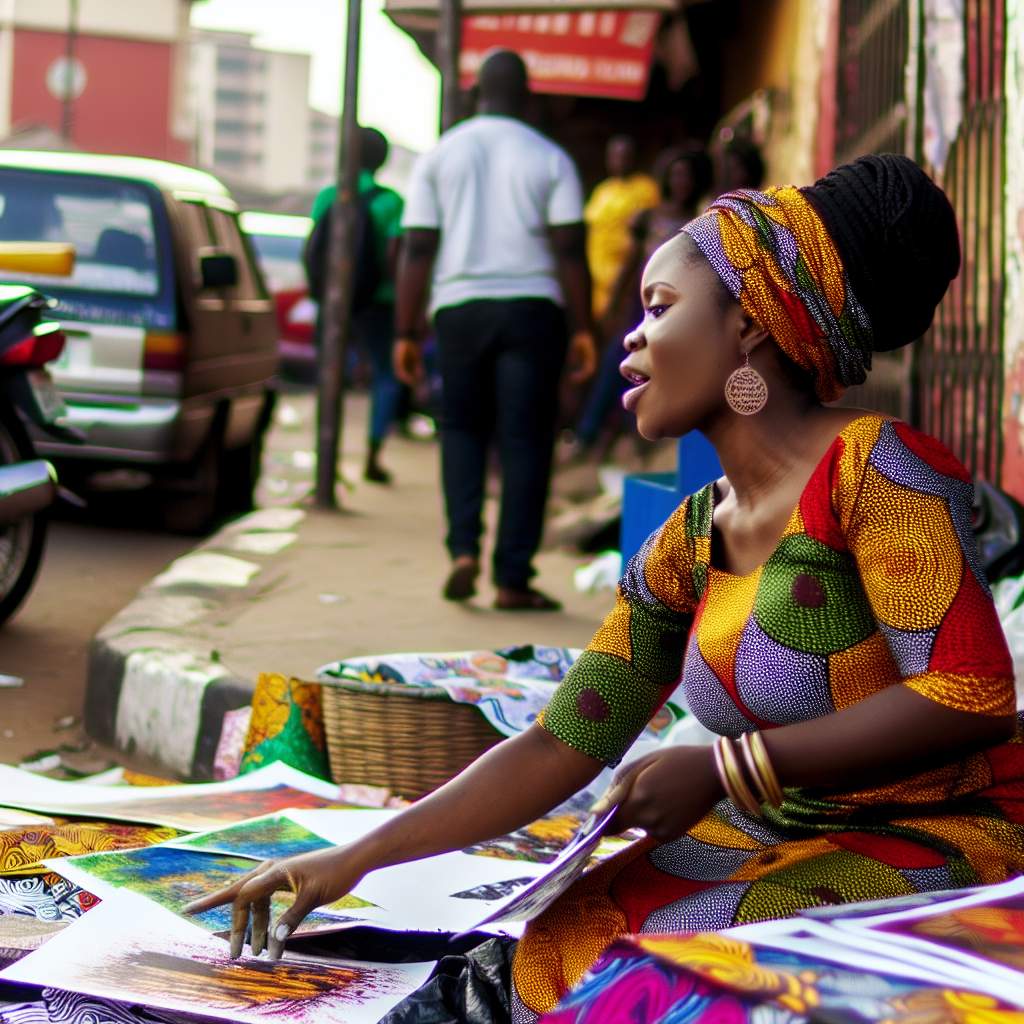
Overview of Nigerian Street Art
History of Nigerian Street Art
Nigerian street art has deep roots in the country's diverse cultural heritage.
It emerged prominently in urban centers like Lagos and Abuja during the early 2000s.
Local artists used public spaces to express social, political, and cultural ideas.
Consequently, street art became a powerful tool for community storytelling.
Artists such as Chijioke Onianwah and Ifeanyi Oguejiofor gained recognition for their distinct styles.
The movement grew alongside Nigeria's rising youth culture and digital connectivity.
Today, Nigerian street art influences contemporary art and design worldwide.
Key Characteristics of Nigerian Street Art
Nigerian street art blends traditional motifs with modern and global influences.
Artists often use vibrant colors that capture attention and evoke strong emotions.
Symbolism is vital; many artworks incorporate elements from mythology and folklore.
Moreover, bold geometric patterns frequently represent cultural identity.
Street art often features politically charged messages reflecting societal issues.
Community engagement remains important as artists collaborate with local groups.
In addition, the fusion of graffiti, murals, and stencil art defines its style.
These characteristics have inspired art print designers to integrate Nigerian elements.
Prominent Themes in Nigerian Street Art
Identity and heritage stand out as common themes across many works.
Artists highlight resilience and empowerment through dynamic visual narratives.
Social justice topics such as corruption, inequality, and youth unemployment appear frequently.
Environmental concerns and urban challenges also motivate artistic expression.
Humor and satire often soften serious messages, making them more accessible.
Collectively, these themes provide rich material for creative interpretations.
Connection between Nigerian Street Art and Traditional Cultural Motifs
Roots of Nigerian Street Art in Indigenous Traditions
Nigerian street art draws deeply from the country’s rich cultural heritage.
Artists often incorporate symbols and patterns passed down through generations.
These motifs represent stories, beliefs, and values of various ethnic groups.
Moreover, street art serves as a modern canvas for preserving traditional visual languages.
Consequently, it bridges the gap between past and present artistic expressions.
Visual Elements Inspired by Traditional Designs
Traditional motifs frequently feature shapes like spirals, zigzags, and geometric patterns.
Street artists adapt these elements with vibrant colors and contemporary styles.
For instance, the Yoruba Adire textile patterns influence many mural designs.
Similarly, Igbo uli symbols often appear in striking street compositions.
Explore Stunning African Digital Art Prints!
Bring the beauty of Nigeria and Africa into your space with high-quality HD digital prints. Browse our collection on Instagram, find what speaks to you, and own a masterpiece today! See something you love? Send us a message on Instagram!
View Collection on InstagramTherefore, these visual borrowings highlight a cultural continuity in urban art.
Incorporation of Mythology and Folklore
Nigerian street art tells stories inspired by indigenous mythology and folklore.
Characters like Anansi the spider or legendary Orishas appear frequently.
These figures communicate moral lessons and cultural identity to the public.
Artists use street walls as platforms to revive these narratives creatively.
As a result, their work educates and engages diverse audiences.
Impact on Contemporary Art Print Designs
Art print designers increasingly look to Nigerian street art for inspiration.
They replicate traditional motifs integrated with urban aesthetics in prints.
This fusion produces fresh and meaningful designs admired globally.
Companies such as Lagos-based Adebayo Prints lead in this innovative approach.
Consequently, the synergy enriches both street art and commercial digital prints.
Recognizable Artists and Cultural Ambassadors
Notable artists like Chiamaka Obi blend street art with traditional imagery.
Her work celebrates Nigeria’s cultural symbols in contemporary contexts.
Likewise, Emeka Okafor promotes heritage through his vivid murals.
These creators act as ambassadors for cultural preservation through art.
Thus, they inspire new generations of artists and designers nationally and abroad.
Impact of Urban Environments on the Themes and Styles of Nigerian Street Art
Urban Life as a Canvas for Expression
Nigerian street artists draw direct inspiration from bustling cityscapes.
The vibrant streets of Lagos and Abuja serve as dynamic galleries for artistic expression.
Consequently, this environment shapes the subject matter of many artworks.
For example, scenes of daily market life and traffic congestion frequently appear in murals.
Artists like Emeka Okoye use these elements to highlight social realities.
Urban life’s energy drives the bold and colorful styles common in Nigerian street art.
Therefore, these artworks communicate both beauty and the complexity of city living.
Reflection of Social and Political Themes
Street art in Nigerian cities often addresses pressing social issues.
Urban environments expose artists to challenges like poverty, inequality, and governance.
As a result, many pieces critique government policies and advocate for change.
Artists such as Funmi Adeyemi incorporate themes of protest and empowerment in their works.
Moreover, local cultural movements influence the messages conveyed.
This creates artwork that resonates deeply with the urban population.
Consequently, the street art becomes a powerful tool for activism and awareness.
Explore Stunning African Digital Art Prints!
Bring the beauty of Nigeria and Africa into your space with high-quality HD digital prints. Browse our collection on Instagram, find what speaks to you, and own a masterpiece today! See something you love? Send us a message on Instagram!
View Collection on InstagramInfluence of Urban Architecture and Infrastructure
Buildings, walls, and public spaces provide physical frameworks for street art.
Artists adapt their styles to suit different urban surfaces and textures.
They often blend graffiti techniques with traditional Nigerian motifs and patterns.
The mixture reflects a fusion of modern urban culture and heritage.
Furthermore, uneven surfaces and weathered walls inspire creative uses of color and form.
This interaction between art and infrastructure defines much of the urban aesthetic.
Therefore, urban settings directly shape the visual language of Nigerian street art.
Community Engagement and Cultural Identity
Urban neighborhoods foster strong community connections through street art.
Artists collaborate with residents to create works that reflect local identities.
This participatory process strengthens cultural pride and belonging.
Street murals often portray historical figures or celebrate indigenous customs.
Consequently, they become landmarks that enrich urban cultural life.
Groups like the Abuja Mural Alliance actively involve communities in artistic projects.
Thus, urban environments function as incubators for cultural dialogue and creativity.
Learn More: The Role of Art Prints in Nigerian Educational Institutions
Prominent Nigerian Street Artists and Their Influence on Contemporary Art Prints
Notable Artists Shaping the Street Art Scene
Nigerian street artists bring vibrant creativity to urban landscapes.
One key figure is Tola Akanni, known for his bold use of color and symbolism.
His murals often explore cultural identity and social issues.
Moreover, Chinedu Madu employs dynamic patterns inspired by traditional textiles.
His work bridges the gap between heritage and modern expression.
Another influential artist is Ifeoma Okeke, who integrates storytelling through intricate visuals.
She often highlights female empowerment and community narratives.
These artists demonstrate unique styles that resonate locally and globally.
Influences on Contemporary Art Prints
Street art aesthetics increasingly inspire contemporary art print designs.
Consequently, designers incorporate vivid color palettes and bold shapes seen in murals.
Furthermore, symbolic motifs from artists like Akanni enrich print narratives.
This adoption creates powerful visual statements in limited edition prints.
Printmakers such as Lagos-based studio Omi Creatives collaborate directly with street artists.
They translate mural concepts into striking prints for wider audiences.
Such collaborations elevate street art beyond public walls.
Explore Stunning African Digital Art Prints!
Bring the beauty of Nigeria and Africa into your space with high-quality HD digital prints. Browse our collection on Instagram, find what speaks to you, and own a masterpiece today! See something you love? Send us a message on Instagram!
View Collection on InstagramAdditionally, art prints utilize mixed media techniques reflecting street art textures.
As a result, prints capture the raw energy and urban grit characteristic of street art.
Impact on Artistic Expression and Market Trends
The influence of Nigerian street artists challenges conventional fine art boundaries.
This shift encourages inclusivity and fresh perspectives within the art community.
Moreover, collectors increasingly seek prints featuring street art-inspired designs.
This trend boosts demand for bold, culturally rooted artworks.
Galleries exhibit prints that celebrate contemporary Nigerian streetscapes.
In this way, street art extends its cultural and commercial relevance.
Ultimately, these artists redefine modern African art through innovative printmaking.
Explore Further: How Nigerian Art Prints Are Used for Social Commentary
Integration of Street Art Techniques into Nigerian Art Print Designs
Vibrant Color Palettes and Bold Patterns
Nigerian street artists frequently employ vivid colors to capture attention.
Consequently, art print designers adopt these bright palettes to enhance visual impact.
Bold patterns inspired by murals and graffiti create dynamic compositions in prints.
These patterns often reflect cultural motifs merged with contemporary styles.
Incorporation of Graffiti and Calligraphy Styles
Graffiti lettering influences the typography used in Nigerian art prints.
Artists like Afolabi Ogunleye fuse street calligraphy with traditional typography techniques.
This fusion introduces an urban edge that resonates with younger audiences.
Moreover, the fluid brush strokes found in street calligraphy add organic movement.
Use of Mixed Media and Textural Effects
Street art encourages experimentation with diverse materials and textures.
Print designers recreate these textural effects through layering and digital manipulation.
For instance, tissue paper overlays and paint splatters mimic mural surfaces.
Textures enrich prints by adding depth that reflects street art’s rawness.
Storytelling and Social Commentary Elements
Street art often conveys powerful social and political messages.
Designers integrate these themes to make art prints more meaningful and relevant.
Illustrators such as Chinedu Emeka use symbols from street murals to narrate local stories.
This approach connects audiences with cultural identity and community concerns.
Collaboration Between Street Artists and Print Designers
Collaborations foster the transfer of authentic street art techniques into prints.
Brooklyn-based firm UrbanHue Prints partners with Lagos street artist Ifeanyi Obiora.
Together, they blend mural aesthetics with print production expertise.
Such teamwork ensures the originality of street art is preserved in print form.
Explore Stunning African Digital Art Prints!
Bring the beauty of Nigeria and Africa into your space with high-quality HD digital prints. Browse our collection on Instagram, find what speaks to you, and own a masterpiece today! See something you love? Send us a message on Instagram!
View Collection on InstagramTechnology Enhancing Street Art Adaptations
Digital tools allow designers to replicate spray paint textures and stencil effects.
Software like Procreate and Adobe Illustrator supports intricate editing of street motifs.
These technologies help maintain the spontaneity of street art in polished prints.
Thus, technology bridges the gap between urban artistry and fine art prints.
You Might Also Like: The Role of Nigerian Artists in Contemporary African Art
Reflection of Social and Political Commentary in Nigerian Street Art-Inspired Prints
Street Art as a Voice of the People
Nigerian street art captures the spirit of public opinion vividly.
Artists express social concerns clearly through vibrant imagery and striking symbols.
As a result, their work resonates deeply with diverse communities.
Moreover, street art offers a platform for marginalized voices often overlooked.
Consequently, these visual messages challenge injustice and inequality.
Thematic Elements Rooted in Society
Nigerian street artists frequently explore themes like corruption and political unrest.
Additionally, they highlight issues such as poverty and urban struggles.
Also, cultural identity and heritage remain central to their compositions.
These themes engage viewers emotionally and intellectually alike.
Incorporation into Art Print Designs
Designers inspired by Nigerian street art translate these themes into print creations.
For example, they incorporate bold colors and graffiti-style typography effectively.
Furthermore, symbolic motifs like clenched fists and traditional masks appear prominently.
Therefore, prints serve as accessible mediums reflecting powerful social commentary.
Impact on Social Awareness
Art prints inspired by this movement spark conversations in homes and galleries.
Also, they raise awareness about pressing societal challenges faced by Nigerians.
In turn, these prints inspire activism and community engagement.
Ultimately, they foster a greater understanding of complex political realities.
Collaborations Enhancing Authenticity
Several artists, such as Efe Okoro and Amina Adetayo, lead this creative fusion.
Their partnerships with designers like Ladi Ayodele ensure authentic representation.
Additionally, these collaborations promote cross-disciplinary innovation and respect for culture.
As a result, print designs gain credibility and artistic depth.
Delve into the Subject: How Art Prints Capture the Essence of Nigerian Dance Traditions
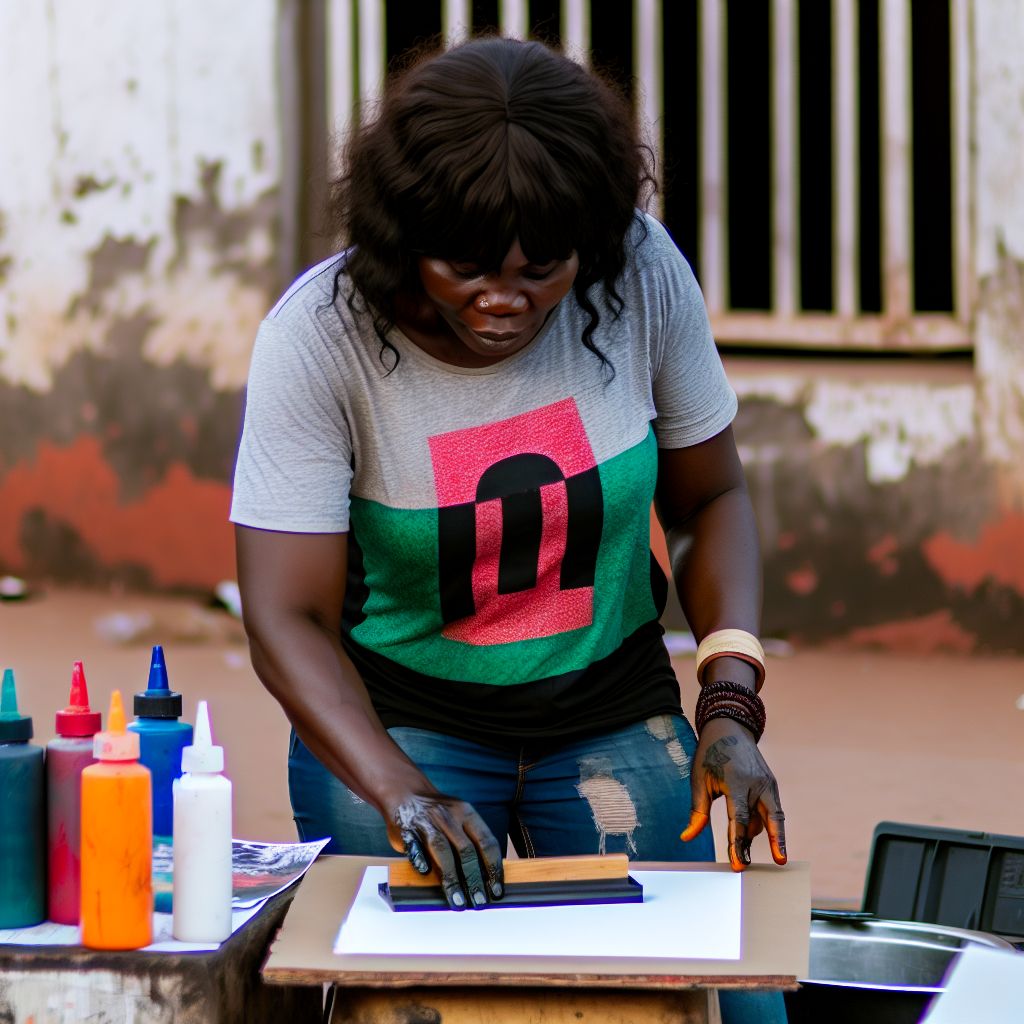
Use of Vibrant Colors and Dynamic Patterns from Street Art in Print Media
Inspiration from Nigerian Street Art
Nigerian street art brims with vibrant colors that capture attention immediately.
Artists like Adaora Chukwu blend traditional and modern hues brilliantly.
Consequently, these color choices inspire innovative print designs worldwide.
Explore Stunning African Digital Art Prints!
Bring the beauty of Nigeria and Africa into your space with high-quality HD digital prints. Browse our collection on Instagram, find what speaks to you, and own a masterpiece today! See something you love? Send us a message on Instagram!
View Collection on InstagramThe dynamic patterns often feature bold geometric shapes and fluid lines.
They reflect cultural stories and urban life energy uniquely.
Application in Art Print Designs
Designers incorporate these vivid palettes to enhance visual appeal effectively.
Moreover, the use of dynamic patterns adds movement and depth to prints.
Print companies such as Lagos Printworks embrace these stylistic elements regularly.
This trend creates strong emotional connections with diverse audiences.
Thus, vibrant and patterned prints stand out vividly on posters and apparel alike.
Techniques for Integrating Street Art Elements
Artists often use layering techniques to replicate street art’s textural feel.
Furthermore, digital tools help translate hand-painted patterns into printable formats.
Color gradients shift smoothly, mimicking spray paint’s natural blend.
Designers also experiment with contrasts, combining bright and muted tones.
These methods produce dynamic prints that honor Nigerian street art tradition.
Influence of Nigerian Street Art on Contemporary Print Media
Print magazines and advertisers increasingly adopt Nigerian street art styles.
The energetic visuals boost engagement and memorability significantly.
Brands like Kulture Wave Agency feature such designs in marketing campaigns.
Together, vibrant colors and patterns create a fresh visual language in print media.
Consequently, audiences experience Nigerian culture through compelling artistic expressions.
Challenges and Opportunities in Adapting Street Art for Commercial Art Prints
Legal and Ethical Considerations
Adapting Nigerian street art for commercial prints involves navigating complex copyright issues.
Artists like Nneka Okafor emphasize respecting the original creator’s rights and intentions.
Moreover, securing permissions from street artists ensures ethical collaboration and mutual benefit.
Companies such as Lagos Creative Prints prioritize transparency in licensing agreements.
This approach protects intellectual property and fosters trust within the art community.
Technical Challenges in Reproduction
Translating vibrant street murals into high-quality prints requires advanced imaging techniques.
Digital artist Emeka Iroha often enhances textures and colors to preserve authenticity.
However, some details may be lost or altered due to printing limitations.
Therefore, selecting appropriate materials and print methods is crucial for visual impact.
Collaborations between printers and artists help overcome these technical barriers seamlessly.
Commercial Viability and Market Appeal
Nigerian street art offers unique aesthetics that appeal to diverse consumers globally.
Design studio Adanna & Co. leverages this art style to create trendy and culturally rich prints.
Furthermore, integrating street art elements can differentiate products in a saturated market.
Explore Stunning African Digital Art Prints!
Bring the beauty of Nigeria and Africa into your space with high-quality HD digital prints. Browse our collection on Instagram, find what speaks to you, and own a masterpiece today! See something you love? Send us a message on Instagram!
View Collection on InstagramRetailers benefit by targeting niche audiences who value authentic and bold designs.
Consequently, this fusion generates new revenue streams for both artists and businesses.
Creative Opportunities for Innovation
Adapting street art invites experimentation with mixed media and digital enhancements.
Artist Uche Chukwuma explores combining graffiti motifs with traditional textile patterns.
Additionally, this blend introduces fresh narratives and contemporary relevance.
Designers can reinterpret themes of identity and social commentary in versatile formats.
This synergy enriches both the local art scene and international design trends.
Role of Nigerian Street Art in Shaping Modern African Visual Identity Through Prints
Emergence of Nigerian Street Art as a Visual Language
Nigerian street art has rapidly gained recognition across Africa and beyond.
It combines vibrant colors and symbolic imagery rooted in local culture.
Many artists use walls as canvases to communicate social and political messages.
Consequently, these public artworks express contemporary African urban life uniquely.
This vibrant visual language influences print designers seeking authentic African narratives.
Influence on Art Print Design Techniques and Styles
Print designers increasingly draw inspiration from Nigerian street art’s bold patterns.
They adapt graffiti-style strokes and textured layers to create dynamic print visuals.
Moreover, symbolic motifs like traditional masks and urban icons feature prominently in prints.
For example, Lagos-based designer Adebayo Oke integrates street aesthetics in limited-edition screen prints.
Such adaptations bring fresh energy and cultural depth to modern African print art.
Impact on Modern African Visual Identity
Nigerian street art helps redefine African visual identity beyond colonial stereotypes.
It emphasizes local narratives, contemporary challenges, and youthful creativity.
Design houses like Eniola Prints reflect this shift by showcasing street-inspired collections.
This movement empowers African artists to celebrate heritage while innovating boldly.
Therefore, prints influenced by street art resonate more profoundly with African and global audiences.
Collaboration Between Street Artists and Print Designers
Collaborations between street artists and print studios have become increasingly common.
Artists such as Chinedu Nwosu lend their vibrant styles to apparel and posters.
Print companies like Dija Artworks commission these creatives to expand their product lines.
Such partnerships foster cross-disciplinary creativity and wider distribution of street art motifs.
Ultimately, these collaborations strengthen Nigeria’s role in shaping pan-African visual culture.
Emerging Trends in Print Design Inspired by Nigerian Street Culture
Future print designs will likely blend traditional art with digital street art elements.
Augmented reality and interactive prints may feature immersive street art experiences.
Additionally, sustainable materials and community-focused projects gain importance.
Explore Stunning African Digital Art Prints!
Bring the beauty of Nigeria and Africa into your space with high-quality HD digital prints. Browse our collection on Instagram, find what speaks to you, and own a masterpiece today! See something you love? Send us a message on Instagram!
View Collection on InstagramPrint designers led by creatives like Ifeanyi Obi are pioneering these experimental approaches.
Thus, Nigerian street art continues to inspire innovation in African visual identity globally.
Case Studies of Successful Art Print Collections Influenced by Nigerian Street Art
Urban Expressions by Kehinde Olaleye
Kehinde Olaleye captures the vibrant energy of Lagos streets in his art prints.
His collection uses bold colors and dynamic patterns inspired by street murals.
Furthermore, he incorporates traditional Nigerian motifs into contemporary designs.
The result creates a unique fusion that resonates globally with art enthusiasts.
Olaleye’s prints have been featured in exhibitions across Europe and North America.
Consequently, his work boosts international recognition of Nigerian street culture.
Neon Heritage Collection by Zainab Adeyemi
Zainab Adeyemi blends neon light effects with vivid street art themes.
This collection pays homage to Nigerian urban life and nightlife.
Moreover, it highlights social messages often expressed through street art.
Collectors praise the prints for their emotional depth and visual impact.
Her pieces have been acquired by major galleries in Lagos and Johannesburg.
In addition, her work fosters appreciation for Nigerian street art’s storytelling power.
Metropolitan Rhythms by Emeka Chukwuma
Emeka Chukwuma’s collection reflects rhythmic patterns found in Nigerian cityscapes.
He draws inspiration from street graffiti artists and local artisans.
His art prints emphasize movement, color, and cultural symbolism.
Critics note the collection’s success in capturing urban Nigerian vibrancy.
Additionally, Chukwuma collaborates with street artists to maintain authenticity.
This partnership enhances the cultural relevance of his print designs.
Cultural Mosaic by Amara Ifeanyi
Amara Ifeanyi’s prints celebrate Nigeria’s ethnic diversity through street art influences.
She integrates visual elements from various Nigerian communities.
Her art delivers a rich tapestry of cultural narratives on printed canvases.
Her collection gained acclaim at the African Art Museum in Johannesburg.
Moreover, she promotes emerging street artists by featuring their work alongside hers.
This initiative supports grassroots creativity and strengthens community bonds.
Influence of Nigerian Street Art on Contemporary Art Print Markets
These collections demonstrate Nigerian street art’s growing appeal in modern print design.
They attract diverse audiences interested in authentic cultural expressions.
Consequently, art print markets expand their offerings to include Nigerian-inspired works.
Retailers and galleries actively seek collaborations with Nigerian street artists.
Explore Stunning African Digital Art Prints!
Bring the beauty of Nigeria and Africa into your space with high-quality HD digital prints. Browse our collection on Instagram, find what speaks to you, and own a masterpiece today! See something you love? Send us a message on Instagram!
View Collection on InstagramUltimately, this trend helps elevate street art from urban spaces to global art conversations.
Additional Resources
#71 “African Fabrics”: The History of Dutch Wax Prints–Guest Blog …
Street talk: Exhibition explores the literary pulse of early post …