
Historical Evolution of Nigerian Art Prints and Their Roots in Traditional Art Forms
Origins in Indigenous Art Traditions
Nigerian art prints trace their origins to ancient indigenous art traditions.
The Nok culture was known for terracotta sculptures.
This culture influenced early visual expressions in Nigeria.
Furthermore, the Yoruba people developed intricate textile patterns and carvings.
These early art forms provided foundational motifs for later printmaking techniques.
Similarly, the Benin Kingdom produced bronze artifacts with detailed designs.
These artifacts inspired print aesthetics in Nigerian art.
Adoption of Printmaking Techniques
In the early 20th century, Nigerian artists began exploring Western printmaking methods.
This period marked the introduction of woodcut, linocut, and etching techniques.
Artists like Aina Onabolu pioneered combining traditional themes with modern techniques.
As a result, local narratives and symbols started appearing in printed works.
Educational institutions such as the Nigerian College of Art promoted printmaking skills.
Influence of Traditional Symbols and Motifs
Traditional symbols from Yoruba, Igbo, and Hausa cultures deeply influence contemporary prints.
Adinkra symbols and uli designs frequently appear in these artworks.
Moreover, depictions of folklore, mythology, and proverbs enrich the visual language.
Artists harness traditional motifs to express cultural identity and social issues.
This blend strengthens the connection between past and present artistic practices.
Evolution Through Artistic Movements
The postcolonial era stimulated a renaissance in Nigerian art printmaking.
Artists embraced printmaking to challenge colonial narratives and assert cultural pride.
Groups such as the Zaria Art Society promoted indigenous themes in modern formats.
Similarly, artists like Bruce Onobrakpeya innovated by combining relief prints with mixed media.
Consequently, Nigerian art prints gained recognition nationally and internationally.
Modern Developments and Global Recognition
Today, Nigerian art prints reflect a fusion of tradition and contemporary creativity.
Printmakers like Nike Davies-Okundaye revitalize ancestral techniques for modern audiences.
Art galleries in Lagos and Abuja actively showcase diverse print works.
International art fairs increasingly feature Nigerian print artists and their unique styles.
This visibility fosters appreciation and evolution of Nigeria’s rich printmaking heritage.
The Influence of Nigerian Culture and Heritage on Contemporary Art Prints
Rich Cultural Narratives in Nigerian Art
Nigerian art prints richly draw from diverse cultural traditions across the nation.
Artists like Abeni Olatunji convey folklore and history through vivid visual storytelling.
They incorporate traditional motifs that reflect the Yoruba, Igbo, and Hausa cultures.
Explore Stunning African Digital Art Prints!
Bring the beauty of Nigeria and Africa into your space with high-quality HD digital prints. Browse our collection on Instagram, find what speaks to you, and own a masterpiece today! See something you love? Send us a message on Instagram!
View Collection on InstagramConsequently, these prints resonate deeply with local and global audiences alike.
Moreover, the use of indigenous symbols preserves cultural identity in a modern form.
Traditional Techniques and Modern Expression
Nigerian artists skillfully blend ancient printmaking methods with contemporary techniques.
For example, Olumide Adeyemi merges hand-carved woodblock prints with digital enhancements.
This fusion creates unique textures and vibrant color palettes seen in art galleries worldwide.
Additionally, storytelling through print techniques connects generations through shared heritage.
Thus, these artworks serve as bridges between the past and present artistic landscapes.
Impact on Contemporary Art Scenes
Nigerian art prints significantly enrich global contemporary art markets.
Renowned venues like Lagos Art House and Abuja Creative Hub showcase emerging printmakers.
Their exhibitions highlight cultural pride and innovative artistic voices from Nigeria.
Furthermore, collaborations with international artists foster cross-cultural exchanges.
This impact broadens appreciation for African art and diversifies contemporary art narratives.
Preserving Heritage While Innovating
Contemporary Nigerian print artists carefully preserve heritage while experimenting boldly.
Through these prints, they explore social themes and cultural evolution simultaneously.
Artists such as Ijeoma Nwosu challenge conventional norms using symbolic visual language.
This approach reinvigorates traditional art forms with fresh perspectives and relevance.
Ultimately, Nigerian art prints are pivotal in redefining modern artistic identity globally.
Key Nigerian Artists Pioneering Innovative Techniques in Art Prints
Emerging Voices Shaping the Nigerian Print Art Scene
Chinelo Obi blends traditional motifs with digital printmaking.
Her work challenges conventional boundaries and invites contemporary dialogue.
Moreover, she experiments with layering techniques to create textured effects.
Kelechi Onah employs eco-friendly materials in her print processes.
She integrates sustainable practices that reflect Nigeria’s environmental concerns.
Her approach inspires new generations to consider greener art production methods.
Mastering Traditional and Contemporary Printmaking Techniques
Abdulraheem Yusuf revives adire resist-dye patterns in screen prints.
His prints modernize traditional Yoruba textile art with bold colors.
Consequently, his works celebrate cultural heritage while appealing to global audiences.
Similarly, Amaka Nwosu combines lino-cut with mixed media installations.
Her prints explore social themes and identity politics through vivid imagery.
These hybrid techniques push the boundaries of traditional printmaking arts.
Innovation Through Technology and Collaboration
Digital artist Ifeanyi Eze collaborates with print studios in Lagos.
Explore Stunning African Digital Art Prints!
Bring the beauty of Nigeria and Africa into your space with high-quality HD digital prints. Browse our collection on Instagram, find what speaks to you, and own a masterpiece today! See something you love? Send us a message on Instagram!
View Collection on InstagramTogether, they utilize 3D printing to produce multi-dimensional prints.
This partnership fosters innovation and expands artistic possibilities.
Additionally, multimedia artist Funmi Adewale uses augmented reality for prints.
Her interactive works engage audiences beyond conventional two-dimensional pieces.
Such innovations position Nigerian print artists at the forefront of contemporary art.
Influence on Contemporary Nigerian Art Market
Gallery owners like Emeka Nwafor actively promote print artists locally and abroad.
They organize exhibitions showcasing novel print techniques and diverse voices.
Consequently, Nigerian art prints gain recognition in international art circles.
Collectors increasingly value prints for their accessibility and cultural significance.
This demand encourages artists to explore new methods and concepts.
Techniques Used by Nigerian Print Artists to Achieve Their Unique Styles
- Screen printing combined with hand-painted details for uniqueness
- Resist dye methods adapted for print textile art
- Eco-printing using natural pigments sourced locally
- Lino-cut and woodblock printing for bold, graphic aesthetics
- Digital printing merged with augmented reality features
These techniques highlight the dynamic range and adaptability of Nigerian print artists.
Delve into the Subject: How Nigerian Art Prints Promote African Unity
The Role of Nigerian Art Prints in Redefining African Identity in Modern Art
Reviving Cultural Heritage Through Visual Narratives
Nigerian art prints play a vital role in reviving African cultural heritage.
They capture traditional stories and myths in contemporary visual forms.
Artists such as Tunde Akinola and Ifeoma Okoye innovate with printmaking techniques.
Their works celebrate indigenous symbols and folklore vividly.
This process strengthens a unique African identity within the global art scene.
Challenging Western Perspectives and Stereotypes
Nigerian art prints actively challenge prevailing Western stereotypes about Africa.
They offer alternative narratives highlighting complexity and diversity.
For example, Emeka Uzochukwu’s prints explore postcolonial identity and societal change.
They reject monolithic views by presenting individual and communal experiences.
Thus, these prints foster critical dialogue about cultural representation worldwide.
Inspiring a New Generation of African Artists
The rise of Nigerian art prints inspires emerging African artists globally.
Many young creators embrace printmaking as a medium for self-expression.
Additionally, institutions like Lagos Printmakers Collective support artistic experimentation.
With increased exposure, Nigerian prints influence contemporary artistic trends.
Therefore, they contribute richly to the evolving definition of modern African art.
Expanding Nigerian Prints’ Presence in the Global Contemporary Art Market
Nigerian art prints increasingly attract international collectors and galleries.
Artists such as Chika Anadu and Nkiru Nzegwu showcase prints in major exhibitions.
This visibility elevates African identity within a commercial art context.
Explore Stunning African Digital Art Prints!
Bring the beauty of Nigeria and Africa into your space with high-quality HD digital prints. Browse our collection on Instagram, find what speaks to you, and own a masterpiece today! See something you love? Send us a message on Instagram!
View Collection on InstagramMoreover, it creates economic opportunities and cultural exchange platforms.
As a result, Nigeria emerges as a significant hub in contemporary art markets.
Defining Elements of Nigerian Printmaking Style
Nigerian art prints combine traditional motifs with modern aesthetics effectively.
Common features include vibrant colors, bold patterns, and symbolic imagery.
Techniques vary from linocut to screen printing, broadening artistic possibilities.
Artists often incorporate social and political commentary subtly.
This fusion reflects a dynamic and evolving African identity through print art.
Engaging Communities and Preserving Cultural Knowledge
Art print initiatives promote community involvement and cultural education.
Workshops led by Kehinde Balogun and other artists nurture local talent.
These efforts preserve indigenous knowledge and foster pride in African roots.
Collaborations between artists and cultural organizations further impact cultural awareness.
Hence, Nigerian art prints serve as tools for both artistic and social empowerment.
Gain More Insights: How Art Prints Influence African Architectural Designs
How Digital Technology Is Enhancing the Creation and Distribution of Nigerian Art Prints
Innovations in the Creation of Nigerian Art Prints
Digital tools have revolutionized how Nigerian artists design their prints.
For instance, artists like Ifeanyi Okeke use graphic tablets to create intricate patterns.
Moreover, software such as Adobe Illustrator and Procreate enables precise detailing.
This technology allows for experimentation with colors and styles quickly.
As a result, artists can refine their works without the need for repeated materials.
Consequently, production costs decrease while creativity flourishes.
Additionally, digital art creation supports blending traditional Nigerian motifs with modern aesthetics.
Artists such as Amarachi Eze incorporate cultural symbols with cutting-edge designs seamlessly.
Expanding Distribution Channels Through Technology
Digital platforms have expanded access for Nigerian art prints worldwide.
For this reason, marketplaces like LagosArtHub and AfroPrintsGallery showcase local artists globally.
These online venues provide exposure far beyond traditional galleries.
Furthermore, social media channels play a crucial role in marketing artworks efficiently.
Instagram and Twitter help artists like Chika Adamu connect directly with collectors.
Consequently, artists manage their sales and communications independently.
Additionally, print-on-demand services reduce inventory costs.
They allow customers to order customized prints, which ship globally without hassle.
Collaborations and Community Growth Enabled by Digital Technology
Digital technology fosters collaborations among Nigerian artists and international creators.
Explore Stunning African Digital Art Prints!
Bring the beauty of Nigeria and Africa into your space with high-quality HD digital prints. Browse our collection on Instagram, find what speaks to you, and own a masterpiece today! See something you love? Send us a message on Instagram!
View Collection on InstagramPlatforms like ArtConnectNigeria encourage skill sharing and joint projects.
This networking broadens creative perspectives and introduces new techniques.
Likewise, virtual workshops help artists improve their digital skill sets remotely.
These opportunities accelerate the growth of Nigeria’s contemporary art scene.
Also, crowdfunding websites enable artists to fund ambitious print projects directly through fans.
Therefore, creative freedom increases without reliance on traditional patronage.
Advantages of Digital Technology for Nigerian Art
- Improved artistic precision and experimentation
- Cost-effective production and material savings
- Greater exposure through online platforms and social media
- Direct engagement with collectors and buyers
- Access to global markets without physical galleries
- Collaborative learning and expansion of artistic networks
- Flexible funding options via digital crowdfunding
Ultimately, digital technology empowers Nigerian artists to innovate and reach audiences worldwide.
Uncover the Details: The Relationship Between Nigerian Art Prints and Poetry
The Impact of Nigerian Art Prints on Global Contemporary Art Markets
Rising Recognition of Nigerian Artists
Nigerian artists like Chinedu Okeke and Amina Yusuf gain increased visibility worldwide.
Their unique printmaking styles capture the attention of global collectors and galleries.
Moreover, their works reflect rich cultural narratives and modern aesthetics.
As a result, these prints bridge traditional Nigerian art with contemporary trends.
This growing interest boosts demand and prices for Nigerian art prints internationally.
Expansion of Art Market Channels
Global art fairs showcase Nigerian prints alongside international contemporaries.
Consequently, artists engage directly with buyers and curators in major cities.
Platforms like Lagos Art Hub and Ebony Gallery actively promote Nigerian printmakers.
Digital marketplaces provide new opportunities for cross-border sales.
Therefore, these expanded channels strengthen Nigeria’s presence in the art economy.
Influence on Contemporary Art Styles
Nigerian art prints introduce vibrant patterns and symbolic motifs to mainstream art.
Many artists worldwide adopt or reinterpret these visual languages in their work.
This cultural exchange enriches the global contemporary art scene dynamically.
Collectors increasingly seek pieces that showcase diverse African heritage and innovation.
Hence, Nigerian prints drive dialogues around identity and modernity through art.
Economic and Cultural Benefits
The rising market value improves livelihoods for Nigerian printmakers and communities.
Furthermore, increased income encourages experimentation and artistic growth.
Art institutions benefit from partnerships that highlight Nigeria’s creative economy.
As a result, cultural tourism and education around Nigerian art receive more funding.
Global market integration elevates both economic and cultural standing.
Challenges and Future Opportunities
Despite growth, Nigerian artists face challenges such as limited access to resources.
Additionally, intellectual property protection remains a critical concern internationally.
Explore Stunning African Digital Art Prints!
Bring the beauty of Nigeria and Africa into your space with high-quality HD digital prints. Browse our collection on Instagram, find what speaks to you, and own a masterpiece today! See something you love? Send us a message on Instagram!
View Collection on InstagramCollaborations between Nigerian galleries and global institutions can address these issues.
Investing in artist residencies and cross-cultural programs will foster further innovation.
This promising future encourages sustained influence of Nigerian prints on global art markets.
See Related Content: The Importance of Ethical Art Collecting in Nigeria
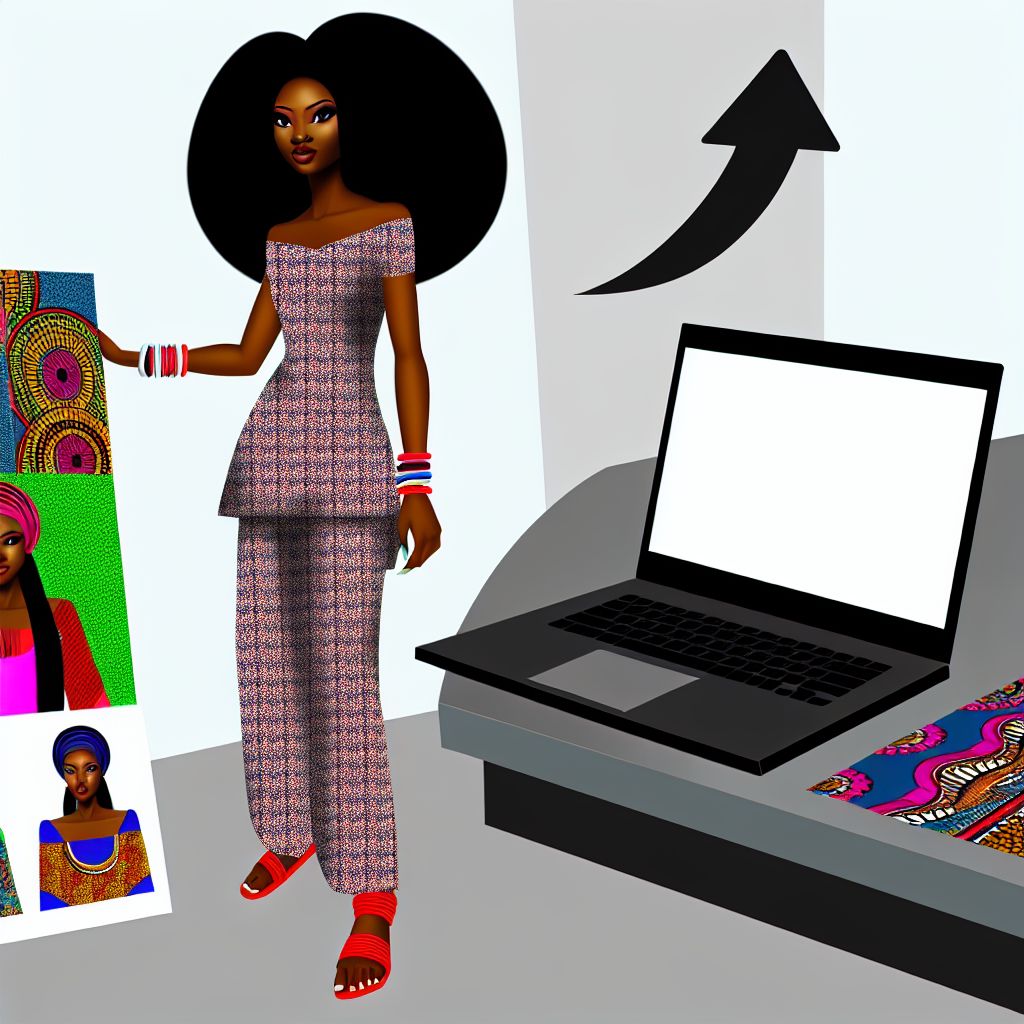
The Integration of Traditional Motifs with Modern Aesthetics in Nigerian Art Prints
Bridging Cultural Heritage and Contemporary Expression
Nigerian artists skillfully blend traditional motifs with modern design elements.
This fusion creates dynamic art prints that celebrate cultural identity.
Additionally, it appeals to contemporary global audiences seeking unique art.
For example, Olutayo Adebayo incorporates Yoruba symbols into abstract compositions.
These works preserve ancestral stories while exploring innovative techniques.
Moreover, the use of vibrant colors and bold patterns enhances visual impact.
Revival of Indigenous Symbols in Modern Prints
Artists rediscover lost or fading indigenous symbols in their creations.
They employ patterns inspired by Nsibidi, Uli, and other regional arts.
This revival enriches the narrative depth of the prints.
Furthermore, it connects viewers to Nigeria’s rich cultural tapestry.
Consequently, printmakers like Chiamaka Onu bring historical motifs into fresh contexts.
They transform traditional symbols with contemporary mediums and formats.
Techniques Enhancing the Blend of Tradition and Modernity
Modern printmaking methods such as screen printing and digital techniques are popular.
These approaches facilitate precise reproduction of intricate traditional designs.
At the same time, artists experiment with layering and texture to add dimension.
Print studios like Lagos-based Eniola Prints lead in adopting new methods.
Their work demonstrates how heritage art evolves through technology.
Consequently, traditional motifs gain renewed relevance and accessibility.
Influence of Contemporary Nigerian Art Communities
Creative collectives promote dialogue between traditional and modern art forms.
Groups such as The Harmattan Workshop foster collaborations among artists.
They encourage exploration of cultural roots through printmaking.
This environment nurtures innovation and respect for ancestral influences.
Artists exchange ideas, inspiring fresh interpretations of classic motifs.
Therefore, community engagement amplifies the transformative power of Nigerian art prints.
The Contribution of Nigerian Art Prints to Cultural Preservation and Education
Preserving Indigenous Heritage through Art
Nigerian art prints vividly capture indigenous traditions and folklore.
Artists like Chinedu Okafor use prints to immortalize cultural symbols.
Explore Stunning African Digital Art Prints!
Bring the beauty of Nigeria and Africa into your space with high-quality HD digital prints. Browse our collection on Instagram, find what speaks to you, and own a masterpiece today! See something you love? Send us a message on Instagram!
View Collection on InstagramThis visual documentation helps preserve languages and rituals at risk.
Prints offer accessible ways for younger generations to connect with their roots.
Consequently, Nigerian communities maintain a strong sense of identity and pride.
Promoting Education and Awareness
Art prints serve as educational tools in schools and cultural centers.
They illustrate historical events and societal values effectively to diverse audiences.
For example, the Lagos Cultural Institute uses prints in workshops to teach history.
Furthermore, these prints encourage critical thinking about cultural evolution and social issues.
This approach fosters appreciation and respect for Nigeria’s rich artistic heritage.
Supporting Contemporary Dialogue and Global Reach
Nigerian art prints provoke conversations both locally and internationally.
Artists such as Amina Yusuf blend traditional motifs with modern themes.
This fusion educates viewers about Nigeria’s evolving culture and global influences.
Exhibitions abroad elevate Nigerian art prints, spreading cultural knowledge worldwide.
Thus, art prints become vital ambassadors for Nigeria’s history and creative expression.
Challenges Faced by Nigerian Artists in the Contemporary Art Print Industry
Limited Access to Quality Materials and Technology
Nigerian artists often struggle to find affordable, high-quality printing materials.
Many artists compromise on print durability and vibrancy as a result.
Access to advanced printing technology is scarce outside major cities like Lagos.
Limited infrastructure further hinders consistent production of fine art prints.
Artists such as Chinedu Okoro frequently cite material shortages as a core challenge.
Financial Constraints and Market Barriers
Financial limitations restrict many Nigerian artists from scaling their print businesses.
High costs of importing printing equipment increase production expenses significantly.
Limited grant opportunities diminish funding prospects for emerging print artists.
Market access remains difficult as many artists lack connections to global galleries.
For example, Amina Bello has noted difficulties reaching international buyers directly.
Intellectual Property and Copyright Challenges
Many artists face risks of unauthorized reproductions of their print artworks.
Weak intellectual property enforcement in Nigeria compromises artists’ rights.
Some artists hesitate to release their works widely to avoid piracy.
Legal complexities often delay resolution when disputes arise over copyright infringements.
Printmaker Ifeanyi Nwosu has experienced unauthorized sales of his designs.
Lack of Formalized Training and Professional Development
Few institutions in Nigeria offer specialized courses in art printmaking.
As a result, artists resort to self-teaching or informal apprenticeship models.
Explore Stunning African Digital Art Prints!
Bring the beauty of Nigeria and Africa into your space with high-quality HD digital prints. Browse our collection on Instagram, find what speaks to you, and own a masterpiece today! See something you love? Send us a message on Instagram!
View Collection on InstagramProfessional development opportunities and workshops remain limited and underfunded.
This gap limits the advancement of technical skills and innovative printmaking techniques.
Artists like Funmi Adeoye emphasize the need for structured skill-building programs.
Logistical and Distribution Difficulties
Transporting delicate art prints across Nigeria involves significant risk and cost.
Poor road networks and unreliable courier services cause delays and damages.
These issues reduce profitability and frustrate both artists and customers.
Exporting prints internationally requires compliance with complex customs regulations.
Print shop owner Emeka Obi frequently navigates these challenges to ship artworks abroad.
Limited Awareness and Appreciation of Contemporary Prints
The general Nigerian art market still favors traditional painting and sculpture.
Consequently, contemporary printmakers struggle to attract local collectors and galleries.
Educational efforts to promote print art remain sporadic and underfunded.
Public exhibitions like those organized by the Lagos Print Collective help raise awareness.
Broad cultural acceptance of art prints is gradually growing but remains insufficient.
Future Trends and Potential Growth Areas for Nigerian Art Prints in Contemporary Art
Integration of Technology and Digital Innovation
Nigerian artists increasingly use digital tools to create unique art prints.
Moreover, augmented reality enhances the viewer’s experience of these prints.
Platforms like ArtNigra Studios showcase digital print collaborations with emerging artists.
Consequently, this blend of traditional and digital media expands artistic boundaries.
Expansion into International Markets
Nigerian art prints attract collectors from Europe and North America.
Exhibitions featuring prints by Adaobi Nwachukwu and Emeka Abimbola travel globally.
Online galleries such as CanvasBridge facilitate international sales and visibility.
As a result, global demand fosters increased production and artistic experimentation.
Promotion of Cultural Narratives Through Prints
Artists convey rich Nigerian heritage and folklore through contemporary printmaking.
For instance, Lagos Palette Gallery curates collections centered on indigenous stories.
This cultural focus resonates well with both local and international audiences.
Hence, prints become a powerful medium for cultural preservation and storytelling.
Collaborations Between Artists and Fashion Industry
Fashion designers integrate Nigerian art prints into textiles and apparel designs.
Trendy brands like EbeleKin Wear partner with printmakers for exclusive collections.
This relationship broadens exposure and introduces art prints to everyday consumers.
Consequently, it stimulates cross-industry innovation and market diversification.
Growth in Eco-friendly and Sustainable Art Practices
There is rising interest in environmentally conscious printmaking techniques.
Explore Stunning African Digital Art Prints!
Bring the beauty of Nigeria and Africa into your space with high-quality HD digital prints. Browse our collection on Instagram, find what speaks to you, and own a masterpiece today! See something you love? Send us a message on Instagram!
View Collection on InstagramArtists like Chidi Eze explore natural dyes and recycled materials for prints.
Galleries actively promote sustainability through themed exhibitions and workshops.
This trend aligns with global movements toward responsible artistic production.
Education and Skill Development in Printmaking
Institutions such as the Abuja School of Arts offer specialized printmaking courses.
Workshops led by artisans like Funke Ajayi nurture emerging print artists’ talents.
Furthermore, online tutorials and masterclasses increase access to printmaking skills.
Such educational efforts support the growth of a skilled artistic community.
Adoption of Limited Edition and Collector-Focused Prints
Limited edition prints create exclusivity and higher perceived value among collectors.
Art hubs like Indigo Fine Arts regularly release signed editions by renowned artists.
Collectors appreciate the balance of affordability and uniqueness in print art.
This strategy encourages investment and sustained interest in Nigerian prints.
Additional Resources
Okwui Enwezor Has Died at Age 55, the Visionary Curator …
No Preservatives | Looking Back to Nigeria [Part I] – Art21 Magazine