
Overview of Nigerian Mythology and Its Key Themes
Foundations of Nigerian Mythology
Nigerian mythology originates from diverse ethnic groups across the country.
It comprises stories passed down orally through generations.
The myths explain natural phenomena, human behavior, and the universe.
These tales involve gods, spirits, ancestors, and symbolic creatures.
Notable ethnic groups with rich mythologies include the Yoruba, Igbo, and Edo peoples.
Central Themes in Nigerian Mythology
Themes often focus on creation, morality, and the connection between humans and nature.
Creation myths describe the origins of the world and its inhabitants.
Many stories highlight the importance of balance and harmony in life.
They emphasize respect for elders, community, and the environment.
Myths also explore the struggle between good and evil forces.
Role of Deities and Spirits
Deities represent powerful forces governing various aspects of life.
For example, Olodumare is the supreme god in Yoruba mythology.
Orishas serve as intermediaries between humans and the supreme deity.
Spirits include ancestors who guide and protect their descendants.
These beings embody natural elements like water, thunder, and fertility.
Symbolism and Cultural Expressions
Nigerian myths use rich symbolism to convey spiritual meanings.
Animals often symbolize moral traits or spiritual forces.
Objects like masks, sculptures, and patterns tell mythological stories.
These symbols influence traditional festivals, dances, and rituals.
Mythology provides a framework for understanding life and art.
Historical Connection Between Nigerian Mythology and Traditional Art Forms
Mythology as a Foundation of Artistic Expression
Nigerian mythology forms the core of many traditional art forms.
Artists frequently draw inspiration from legends, gods, and ancestral tales.
These stories shape artistic themes and motifs across generations.
Consequently, artworks often embody spiritual and cultural narratives.
For example, the Yoruba pantheon significantly influences sculptural designs.
Similarly, the Igbo folklore enriches decorative patterns in textiles.
Therefore, mythology provides a rich visual vocabulary for craftsmen and artists.
Integration of Symbols and Mythical Figures
Traditional artists incorporate mythological symbols to convey deeper meanings.
Common motifs represent protection, fertility, power, and wisdom.
These symbols help communicate intangible values and cultural identity.
Explore Stunning African Digital Art Prints!
Bring the beauty of Nigeria and Africa into your space with high-quality HD digital prints. Browse our collection on Instagram, find what speaks to you, and own a masterpiece today! See something you love? Send us a message on Instagram!
View Collection on InstagramAdditionally, mythical figures often appear in masks, carvings, and murals.
For instance, the Benin bronzes depict royal ancestors and deities vividly.
Moreover, artists use iconography to preserve and pass down oral histories.
Transmission Through Generations
Mythology’s influence sustains through artistic traditions preserved by communities.
Craftsmen commonly learn techniques and meanings from elders and masters.
Apprenticeships ensure that myths remain alive within artistic creations.
Hence, traditional art functions as a living archive of cultural beliefs.
Artisans like Emeka Obi continue adapting mythological themes today.
Thus, Nigerian mythology and traditional art maintain a dynamic, intertwined relationship.
Symbolism of Mythological Figures in Nigerian Art Prints
Representation of Deities and Spirits
Nigerian art prints often depict gods, goddesses, and ancestral spirits.
Artists convey the power and influence of these mythological figures vividly.
These images symbolize divine protection and spiritual guidance.
For example, the Yoruba god Shango appears with thunder motifs representing strength.
Moreover, the Igbo deity Ala is illustrated as an earth figure embodying fertility.
Therefore, these depictions connect viewers to cultural beliefs and traditions.
Use of Symbolic Colors and Patterns
Colors play a critical role in conveying symbolic meanings in art prints.
Red often represents vitality, passion, or conflict in mythological contexts.
Blue symbolizes peace, wisdom, and connection to the spiritual world.
Furthermore, intricate patterns illustrate stories, traits, or powers of mythic characters.
Artists like Obioma Okoye incorporate these colors and patterns to enrich narratives.
Animals as Mythological Symbols
Animal figures frequently serve as metaphors for divine qualities and lessons.
The python, for instance, is revered as a symbol of regeneration and protection.
Lions and leopards symbolize courage and leadership in various tribal tales.
Additionally, birds often represent communication between humans and spirits.
These animal motifs enhance the depth and meaning of the art prints.
Storytelling through Visual Narratives
Mythological figures enable artists to tell traditional stories visually.
Prints often depict epic tales, legends, and moral lessons for community values.
Lola Adebayo specializes in art prints illustrating Yoruba mythology’s heroic exploits.
These narrative-driven works invite viewers to engage with Nigerian heritage actively.
Thus, symbolism deepens cultural understanding and artistic appreciation simultaneously.
Explore Stunning African Digital Art Prints!
Bring the beauty of Nigeria and Africa into your space with high-quality HD digital prints. Browse our collection on Instagram, find what speaks to you, and own a masterpiece today! See something you love? Send us a message on Instagram!
View Collection on InstagramDelve into the Subject: How African Art Prints Shape Global Fashion Trends
The Role of Folklore and Oral Traditions in Inspiring Contemporary Art Prints
Preserving Nigerian Stories Through Art
Nigerian folklore thrives through oral traditions passed down generations.
These stories capture cultural values, beliefs, and historical events vividly.
Artists translate these narratives into visual forms, especially art prints.
Art prints offer a modern medium to preserve and share rich folklore.
Moreover, they make traditional tales accessible to global audiences.
Symbolism and Themes Derived from Oral Narratives
Folklore provides symbols that artists creatively explore in their work.
Common themes include heroism, morality, supernatural powers, and nature.
For instance, the trickster figure often appears in contemporary art prints.
Furthermore, myths about gods and spirits inspire striking visual motifs.
These elements enhance the cultural depth and visual appeal of modern prints.
Artists Translating Oral Traditions Into Prints
Talented Nigerian artists like Amaka Eze and Chidi Afolabi lead this creative wave.
They study oral histories and reinterpret them with modern artistic techniques.
Similarly, printmaking studios such as Iroko Press emphasize folklore-inspired projects.
These artists blend tradition with innovation, appealing to diverse audiences.
Consequently, their prints spark renewed interest in Nigeria’s rich cultural heritage.
Influence of Folklore on Contemporary Art Markets
Folklore-based prints attract collectors interested in authentic African narratives.
Galleries like Lagos Art House actively promote such culturally rooted artworks.
This demand encourages artists to delve deeper into oral traditions for inspiration.
Additionally, art festivals showcase folklore-inspired prints, boosting recognition.
Therefore, oral traditions continuously influence both artistic creation and commerce.
You Might Also Like: How Nigerian Art Prints Inspire African Fashion Trends
Representation of Deities and Spirits in Nigerian Visual Art
Symbolism of Deities in Nigerian Art Prints
Nigerian visual art vividly portrays deities from various indigenous mythologies.
Artists incorporate symbols and motifs to express divine attributes.
For example, the Yoruba deity Olokun often appears with aquatic symbols.
These symbols highlight Olokun’s connection to the sea and wealth.
Similarly, the Igbo god Amadioha is represented with lightning motifs.
Artists use these motifs to convey power and justice associated with Amadioha.
Consequently, symbolic elements enrich the storytelling in art prints.
Depiction of Spirits and Ancestral Figures
Spirits and ancestors hold a critical role in Nigerian mythology and art.
Explore Stunning African Digital Art Prints!
Bring the beauty of Nigeria and Africa into your space with high-quality HD digital prints. Browse our collection on Instagram, find what speaks to you, and own a masterpiece today! See something you love? Send us a message on Instagram!
View Collection on InstagramArtists frequently represent these beings with mask-like facial designs.
Masks often carry spiritual significance and connect the physical to the spiritual world.
Creative renderings also include abstract shapes to embody the essence of spirits.
These abstract forms evoke mystery and reverence simultaneously.
Moreover, color choices in prints reflect the temperament of each spirit.
For instance, red may symbolize aggression or vitality in some representations.
Influence of Traditional Aesthetics on Modern Prints
Contemporary Nigerian artists blend traditional mythology with modern aesthetics.
They integrate folklore imagery with innovative graphic techniques.
Such fusion creates captivating art that appeals to diverse audiences.
This approach preserves cultural heritage while expressing fresh creativity.
Popular printmakers like Ifeoma Nnadi embrace mythological themes in their work.
Her prints often focus on Orisha deities depicted in dynamic, colorful compositions.
Besides individual artists, galleries such as Lagos Art Nexus promote these cultural narratives.
These galleries showcase prints that narrate spiritual and mythical stories artistically.
Common Artistic Elements in Mythological Prints
Nigerian mythology-inspired prints feature distinctive artistic elements.
These include intricate line work that emphasizes detail and texture.
Additionally, printmakers use contrasting shades to highlight divine presence.
Patterns often represent natural elements like water, fire, or earth.
Furthermore, repetition of motifs symbolizes infinite spiritual cycles.
Such visual techniques guide viewers through the mythological narrative smoothly.
- Detailed iconography connected to specific deities
- Vibrant color palettes reflecting spiritual moods
- Emphasis on symbolic gestures and postures
- Use of geometric forms to denote sacred structures
Learn More: The Role of Nigerian Art Prints in Tourism and Culture
How Nigerian Artists Reinterpret Mythological Stories in Modern Prints
Reviving Ancient Narratives Through Art
Nigerian artists actively draw inspiration from traditional myths and legends.
They breathe new life into these ancient stories by creating vibrant visual interpretations.
Through modern prints, these myths find relevance in contemporary cultural discussions.
Moreover, artists reframe mythological themes to reflect modern societal values.
This approach fosters a connection between past and present generations.
Visual Techniques and Symbolism
Artists employ a variety of printmaking techniques such as etching, linocuts, and screen printing.
These methods allow detailed expression of mythological symbolism and motifs.
For instance, Chukwuma Eze uses bold color contrasts to highlight spiritual elements.
Additionally, Ifeoma Okoye integrates abstract shapes to evoke mystical atmospheres.
Explore Stunning African Digital Art Prints!
Bring the beauty of Nigeria and Africa into your space with high-quality HD digital prints. Browse our collection on Instagram, find what speaks to you, and own a masterpiece today! See something you love? Send us a message on Instagram!
View Collection on InstagramThese techniques enhance the storytelling aspect and provoke thoughtful engagement.
Exploring Themes from Nigerian Mythology
Common themes include creation myths, ancestral spirits, and moral lessons.
Artists explore the complex relationship between humans and supernatural forces.
They also examine community values as depicted in folklore narratives.
Furthermore, environmental elements often symbolize harmony within nature.
This thematic diversity enriches the cultural depth in their prints.
Contemporary Impact and Audience Engagement
Modern prints based on mythology resonate strongly with local and global audiences.
Exhibitions in Lagos and Abuja showcase these works to diverse viewers.
The prints stimulate dialogue about identity, heritage, and innovation.
Consequently, they contribute to preserving Nigerian mythology in popular culture.
Collectors like Tunde Adebayo actively promote such art through galleries.
Discover More: The Connection Between Nigerian Sculpture and Art Prints
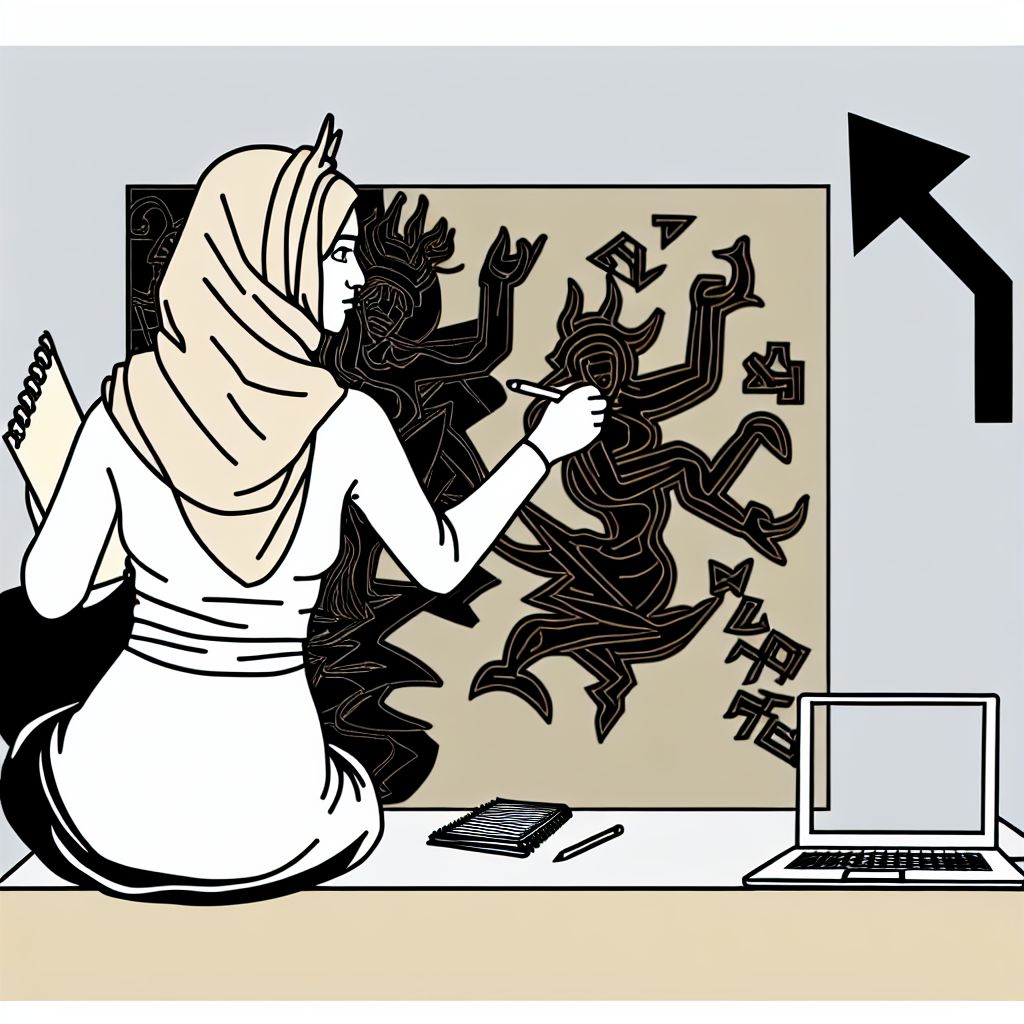
The Influence of Regional Ethnic Groups on Myth-Inspired Art Prints
Diversity of Nigerian Ethnic Groups and Their Mythologies
Nigeria hosts over 250 ethnic groups.
Each group has unique myths and legends.
The Yoruba, Igbo, and Hausa-Fulani are among the most prominent groups.
Moreover, each group’s folklore shapes their distinct cultural expressions.
These diverse mythologies provide rich narratives for visual artists.
Consequently, regional stories inspire unique themes in art prints across Nigeria.
Yoruba Mythology and Artistic Expressions
The Yoruba people have a complex pantheon of deities known as Orishas.
Artists like Tunde Ajayi illustrate Orishas such as Ogun and Yemoja vividly.
In addition, symbolic motifs like the talking drum frequently appear in prints.
Thus, Yoruba mythological art reflects spiritual beliefs and community values.
This style often uses bright colors and intricate patterns in printmaking.
Igbo Mythology and Its Visual Representation
Igbo myths often center on ancestral spirits and natural forces.
For instance, Eze Nri, a divine king figure, inspires many contemporary prints.
Furthermore, Igbo artists like Ngozi Ude incorporate masks and masquerade themes.
These elements emphasize the importance of tradition in Igbo culture.
Therefore, Igbo-inspired art prints focus on ritual and social symbolism.
Hausa-Fulani Mythology and Artistic Themes
The Hausa-Fulani myths blend Islamic influences with indigenous beliefs.
Art prints often depict legendary heroes and moral tales from folktales.
Explore Stunning African Digital Art Prints!
Bring the beauty of Nigeria and Africa into your space with high-quality HD digital prints. Browse our collection on Instagram, find what speaks to you, and own a masterpiece today! See something you love? Send us a message on Instagram!
View Collection on InstagramArtists such as Amina Bello create prints featuring these culturally rich stories.
Typically, Hausa-Fulani art showcases geometric patterns and calligraphic elements.
Consequently, these prints bridge mythology with Islamic artistic heritage.
Cross-Ethnic Influences and Modern Interpretations
Artists increasingly blend myths from different ethnic groups in their work.
For example, Lagos-based printer Chinedu Okeke merges Yoruba and Igbo motifs.
This fusion creates fresh perspectives and appeals to broader audiences.
Additionally, modern techniques enrich traditional stories through new mediums.
Ultimately, regional ethnic mythologies continue to inspire innovative art prints.
- Incorporation of traditional symbols and motifs from specific ethnic myths
- Use of vibrant colors reflecting cultural identities
- Emphasis on storytelling through visual narratives
- Blending of historical and contemporary artistic styles
- Celebration of cultural heritage and spiritual themes
Cultural Significance of Myth-Themed Art Prints in Nigerian Society
Preserving Heritage Through Visual Storytelling
Nigerian myth-themed art prints play a crucial role in preserving cultural heritage.
They visually narrate stories passed down through generations.
Artists like Emeka Nwosu capture ancient tales through vibrant imagery.
Consequently, these prints act as a medium for cultural education.
Communities recognize their traditions and values through these artworks.
Myth-Themed Art as a Tool for Identity and Unity
Such art helps strengthen communal identity across Nigeria’s diverse ethnic groups.
For example, the Yoruba and Igbo peoples find shared meaning in mythological themes.
Moreover, these prints promote unity by celebrating common cultural roots.
Artisans such as Amina Bello create works that resonate widely with Nigerian audiences.
Thus, mythology-inspired art fosters pride and social cohesion.
Influence of Myth-Themed Art on Contemporary Nigerian Art and Society
Myth-based art prints influence modern Nigerian artists in their creative expression.
They blend traditional narratives with contemporary styles to appeal globally.
Furthermore, galleries like Terra Cotta Arts exhibit these culturally rich prints.
This exposure encourages younger generations to value their ancestral stories.
Ultimately, myth-themed art strengthens Nigeria’s cultural relevance in the modern world.
Comparison of Nigerian Mythological Influences with Other African Art Traditions
Distinctive Features of Nigerian Mythological Art Prints
Nigerian mythology inspires rich symbolism in contemporary art prints.
Artists like Emeka Eze incorporate deities such as Sango and Olokun.
These mythological figures appear through vibrant colors and bold shapes.
Moreover, the prints emphasize storytelling rooted deeply in Yoruba and Igbo cultures.
Mythological narratives connect audiences to ancestral wisdom and spiritual themes.
Narrative Styles in West African Art Traditions
West African art broadly shares a focus on oral traditions and mythology.
For instance, Ghanaian artists highlight Akan folklore in their textile prints.
Explore Stunning African Digital Art Prints!
Bring the beauty of Nigeria and Africa into your space with high-quality HD digital prints. Browse our collection on Instagram, find what speaks to you, and own a masterpiece today! See something you love? Send us a message on Instagram!
View Collection on InstagramSimilarly, Beninese artists depict Vodun spirits in both sculptures and prints.
Though neighboring regions share mystical themes, their symbolic languages differ distinctly.
These differences reflect varied histories, cultural priorities, and spiritual worldviews.
Visual Motifs and Symbolism Across African Regions
Nigerian art prints often portray human-animal hybrids representing divine forces.
Meanwhile, Ethiopian religious art employs Christian iconography rather than animistic motifs.
North African art incorporates Islamic geometric designs, contrasting West African mythic forms.
Furthermore, South African art frequently illustrates contemporary social issues with subtle myth echoes.
This variety showcases Africa’s vast cultural diversity and artistic richness.
Influence of Traditional Crafts on Contemporary Prints
Nigerian artists utilize techniques inspired by traditional textile weaving and beadwork.
The Adire indigo-dyed cloth strongly influences patterns seen in these prints.
Conversely, Malian bogolan mud cloth inspires earthy tones and organic shapes.
These traditional crafts inform both visual style and cultural depth.
Digital printmakers in Accra and Lagos blend heritage with modern methods creatively.
Role of Mythology in Artistic Identity and Market Appeal
Nigerian artists leverage mythology to affirm cultural identity worldwide.
This approach attracts collectors seeking authentic African narratives.
In comparison, Ethiopian and Moroccan art emphasize religious and historical symbolism.
Art fairs like Lagos Art Expo feature mythologically inspired prints prominently.
Collectors appreciate the fusion of tradition and innovation common across African art.
Artists Bridging Mythology and Contemporary Trends
Olumide Bakare incorporates Yoruba myths with pop culture imagery effectively.
Similarly, Amina Ndiaye from Senegal blends Sufi legends into abstract prints.
These artists highlight shared African experiences using unique regional stories.
Such cross-cultural dialogues enrich the continent’s evolving artistic landscape.
Consequently, Nigerian mythology remains a vital source for both heritage and future creativity.
The Commercial and Global Appeal of Nigerian Myth-Inspired Art Prints
Expanding Market Reach
Artists like Chika Eze and Amara Okoye drive the popularity of Nigerian myth-inspired art.
Their prints often showcase rich storytelling and vibrant symbolism.
Consequently, these artworks resonate deeply with diverse audiences worldwide.
Moreover, galleries such as Lagos Art House actively promote these unique pieces.
They organize exhibitions in major cities like New York, London, and Berlin.
This exposure helps Nigerian myth-inspired prints capture global attention effectively.
Appeal to Collectors and Enthusiasts
Collectors appreciate the fusion of tradition and modern aesthetics in these prints.
Explore Stunning African Digital Art Prints!
Bring the beauty of Nigeria and Africa into your space with high-quality HD digital prints. Browse our collection on Instagram, find what speaks to you, and own a masterpiece today! See something you love? Send us a message on Instagram!
View Collection on InstagramAdditionally, they value the cultural heritage each artwork represents.
Artists like Ifeanyi Udo blend contemporary techniques with ancient folklore.
Therefore, art lovers find these prints both visually appealing and meaningful.
Online marketplaces such as AfroArt Gallery facilitate easy purchase and distribution.
These platforms connect creators directly with international collectors and fans.
Trends in Commercial Success
The rise of Afrocentric art trends increased demand for Nigerian mythology themes.
Notably, brands like Ekene Fine Arts have curated special collections focused on legends.
These collections often feature limited-edition prints to enhance exclusivity.
Furthermore, collaborations with fashion labels expand commercial opportunities further.
Stores such as Nia Prints in Lagos now ship globally, meeting worldwide customer needs.
As a result, Nigerian myth-inspired art prints enjoy growing sales and visibility internationally.
Additional Resources
An Appraisal of the Evolution of Western Art Music in Nigeria
Who Gets To Be Religious: Reimagining Faith through African Art …