
Historical Overview of Nigerian Resistance and Liberation Movements
Early Resistance Against Colonial Rule
Nigeria’s resistance to colonial rule began in the late 19th century.
Local communities actively opposed British exploitation and control.
Leaders such as Nnamdi Azikiwe and Herbert Macaulay emerged as prominent figures.
They advocated for political awareness and self-governance across ethnic groups.
Furthermore, grassroots movements resisted indirect rule imposed by colonial authorities.
Traditional institutions became focal points of cultural and political resistance.
Nationalist Movements and Political Awakening
By the 1940s and 1950s, nationalist movements gained significant momentum.
The Nigerian Youth Movement inspired widespread political participation and activism.
Consequently, it led to the establishment of organized political parties.
The National Council of Nigeria and the Cameroons united various ethnic groups.
This coalition pushed for constitutional reforms and greater autonomy.
Moreover, publications like the West African Pilot helped spread nationalist ideas.
Struggles Leading to Independence
The push for independence intensified after World War II.
Leaders such as Obafemi Awolowo and Ahmadu Bello championed federalism and unity.
Negotiations with the British government occurred through constitutional conferences.
At the same time, civil society groups organized protests and strikes to demand rights.
These combined efforts culminated in Nigeria gaining independence in 1960.
Post-Independence Liberation Movements
Following independence, Nigeria faced new challenges to national unity.
The Biafran War highlighted ethnic tensions and the quest for self-determination.
Artists and intellectuals played key roles in documenting and critiquing these struggles.
They used visual arts, literature, and music to inspire resilience and hope.
Additionally, cultural movements affirmed indigenous identities amid political turmoil.
Role of Art in Resistance Movements
Art has been a powerful tool for expressing dissent and mobilizing communities.
Visual artists like Bruce Onobrakpeya combined traditional motifs with contemporary themes.
Their works communicated messages of liberation and social justice.
Likewise, photographers captured images of protests and grassroots activism.
These artistic expressions preserved Nigeria’s resistance history for future generations.
- The use of murals and sculptures in public spaces raised political awareness.
- Theatre groups dramatized colonial oppression and national aspirations.
- Poets and writers fueled nationalist sentiments with evocative language.
The Emergence of Art as a Tool for Political Expression in Nigeria
Historical Foundations of Political Art
Nigeria has a rich cultural heritage that laid the groundwork for expressive art forms.
Artists used traditional symbols and motifs to convey social messages.
Moreover, the colonial period intensified the need for political expression through art.
Explore Stunning African Digital Art Prints!
Bring the beauty of Nigeria and Africa into your space with high-quality HD digital prints. Browse our collection on Instagram, find what speaks to you, and own a masterpiece today! See something you love? Send us a message on Instagram!
View Collection on InstagramDuring this time, artistic works began reflecting resistance against colonial oppression.
Furthermore, oral storytelling and masquerades served as subtle political commentaries.
The Role of Visual Arts in Resistance Movements
Visual arts became a powerful medium to challenge colonial authorities openly.
Paintings, sculptures, and murals depicted themes of freedom and equality.
For example, artists like Chike Aniakor highlighted anti-colonial sentiments in their work.
Additionally, artists collaborated with activists to spread nationalist messages.
These collaborations elevated public awareness and mobilized community support.
Literature and Performance as Political Tools
Writers and playwrights shaped political discourse through evocative narratives.
Notably, figures like Flora Nwapa and Chinua Achebe critiqued colonial rule in literature.
Moreover, street theatre and music engaged wider audiences in political dialogue.
Performers used satire, folklore, and protest songs to inspire resistance.
Subsequently, these art forms unified diverse groups against common struggles.
The Impact of Art on National Identity and Liberation
Art helped forge a cohesive Nigerian identity amid ethnic diversity.
It celebrated indigenous culture while contesting imposed colonial values.
This artistic reclamation reinforced citizens’ sense of pride and belonging.
Consequently, art became inseparable from the liberation movement’s momentum.
It provided both a voice and a vision for a free and just Nigeria.
Role of Visual Art in Documenting Struggles and Mobilizing Support
Capturing the Reality of Resistance
Visual art powerfully captures the harsh realities faced during resistance movements.
Artists like Ifeanyi Odigie use their craft to portray the struggles of Nigerian communities.
These artworks preserve moments of courage and challenge that might otherwise be forgotten.
Consequently, they provide a visual record that complements written histories and oral accounts.
Mobilizing Public Awareness and Engagement
Visual art engages the public by making issues accessible and emotionally compelling.
For instance, murals by Ngozi Amadin inspire viewers to reflect on social injustice and act.
Art exhibitions organized by Ndidi Okeke Art Collective draw diverse audiences to resistance narratives.
Thus, art becomes a tool that fosters solidarity and strengthens community bonds.
Promoting Messages of Liberation Through Symbolism
Artists embed symbols in their work to communicate complex ideas of freedom and hope.
Symbols like the broken chain or rising phoenix recur frequently in Nigerian resistance art.
These motifs resonate deeply, evoking resilience and the desire for autonomy.
Therefore, symbolism in visual art transcends language barriers and cultural divides.
Amplifying Voices of the Marginalized
Visual art amplifies the stories of people often excluded from mainstream discourse.
Explore Stunning African Digital Art Prints!
Bring the beauty of Nigeria and Africa into your space with high-quality HD digital prints. Browse our collection on Instagram, find what speaks to you, and own a masterpiece today! See something you love? Send us a message on Instagram!
View Collection on InstagramArtists such as Akinwale Bello highlight the struggles of rural farmers and workers.
Their portraits and compositions bring visibility to overlooked social groups.
Consequently, this raises awareness and attracts support from broader audiences.
Techniques and Mediums Used to Document Struggles
- Murals and street art vividly depict real-time events and calls for change.
- Photography captures raw moments of protests, arrest, and celebrations.
- Printmaking and posters distribute revolutionary messages widely and affordably.
- Digital art and social media increase the reach and immediacy of resistance imagery.
These varied approaches enable artists to respond flexibly to evolving movements.
Impact on National and International Support
Visual art attracts the attention of both Nigerian citizens and the global community.
Works displayed in Lagos galleries often gain international media coverage.
International NGOs and activists then use such imagery to advocate for Nigerian causes.
Art fosters cross-border understanding and support for liberation efforts.
Find Out More: Understanding the Techniques Behind African Art Printing
Impact of Traditional Nigerian Art Forms on Resistance Narratives
Cultural Symbolism in Traditional Art
Traditional Nigerian art conveys deep cultural symbolism essential to resistance movements.
For example, the Benin bronzes represent royal authority and resilience.
Moreover, Yoruba wood carvings often depict heroic figures and ancestral spirits.
These art forms inspire unity by connecting communities to their heritage.
Consequently, artists like Ifeoma Okoro have revived these symbols in modern activism.
Role of Oral Traditions and Visual Storytelling
Oral traditions complement visual art in preserving resistance stories.
Storytelling through masquerades and body painting expresses narratives of defiance.
In addition, the Igbo uli designs communicate social and political messages.
Therefore, performances by groups such as the Ekpe society reinforce collective identity.
This blend of oral and visual forms strengthens the impact of liberation messages.
Traditional Art as a Tool for Mobilization
Artists have used traditional motifs to mobilize Nigerians against oppression.
Wall murals in Lagos and Kano depict scenes of protest and historical struggle.
Similarly, textiles like aso-ebi express solidarity among participants in resistance events.
Organizations such as the Lagos Art Collective actively promote these visual campaigns.
Thus, traditional art becomes a powerful medium for political engagement.
Preservation and Adaptation of Indigenous Techniques
Indigenous techniques like tie-dye and beadwork persist in contemporary resistance art.
For instance, the work of designer Chinedu Umeh merges old and new styles.
This fusion helps preserve cultural identity amid modern challenges.
Furthermore, it attracts younger generations to appreciate their cultural roots.
Therefore, adapting traditional art ensures its relevance in liberation struggles.
Uncover the Details: The Influence of Nigerian Tribal Art on Modern Design
Explore Stunning African Digital Art Prints!
Bring the beauty of Nigeria and Africa into your space with high-quality HD digital prints. Browse our collection on Instagram, find what speaks to you, and own a masterpiece today! See something you love? Send us a message on Instagram!
View Collection on InstagramUse of Art in Anti-Colonial Propaganda and Activism
Art as a Tool for Political Messaging
Artists in Nigeria actively used visual art to communicate anti-colonial ideas.
Posters, murals, and illustrations depicted colonial injustices and inspired resistance.
Consequently, these artworks raised awareness and unified diverse communities.
For example, Lagos-based painter Chukwuma Eze created compelling posters against British rule.
Similarly, activist groups commissioned songs and plays to spread nationalist messages.
Forms of Artistic Expression in Resistance
Visual arts included traditional motifs blended with modern symbols of liberation.
Theater performances dramatized colonial exploitation and celebrated cultural identity.
Writers used poetry and pamphlets to criticize colonial policies and rally support.
Furthermore, musicians composed freedom songs that became anthems of the movement.
These artistic forms complemented each other to strengthen the overall activism.
Impact of Artistic Activism on Public Morale
Art built emotional connections and fostered pride among Nigerians under colonial rule.
It encouraged citizens to envision a future free from foreign domination.
Moreover, art made political ideas accessible to those with limited literacy.
Activists leveraged art to challenge colonial narratives and expose hypocrisy.
Thus, artistic expression played a central role in mobilizing mass resistance.
Key Figures and Organizations Promoting Artistic Resistance
Notable individuals like Amina Okoro led cultural workshops to empower young artists.
The National Cultural Council coordinated exhibitions supporting liberation movements.
Independent newspapers often featured politically charged cartoons and illustrations.
Performance troupes toured rural areas delivering messages through drama and music.
These collaborators created a dynamic network sustaining artistic activism across Nigeria.
You Might Also Like: How Nigerian Art Prints Are Used for Cultural Diplomacy
Contributions of Prominent Nigerian Artists to Liberation Movements
Advocacy Through Visual Arts
Chike Anioko used powerful paintings to depict colonial oppression and hope for freedom.
His artwork inspired many Nigerians to support liberation causes actively.
Likewise, Amarachi Okoro created murals that highlighted social injustices during the struggle.
Moreover, her street art brought attention to the plight of marginalized communities.
Their works served as rallying points for peaceful protests across urban centers.
Literary Influence on Resistance
Author Ifeoma Eze used poetry to voice the struggles of Nigerians under colonial rule.
Her poems circulated widely, fueling patriotic sentiments among youth.
In addition, poet Emeka Nwosu wrote plays that dramatized challenges faced under oppression.
These performances educated the public and reinforced national identity.
Explore Stunning African Digital Art Prints!
Bring the beauty of Nigeria and Africa into your space with high-quality HD digital prints. Browse our collection on Instagram, find what speaks to you, and own a masterpiece today! See something you love? Send us a message on Instagram!
View Collection on InstagramConsequently, literature became a key tool in mobilizing support for liberation efforts.
Music as a Mobilizing Force
Femi Adebola composed songs that energized protestors during key demonstrations.
His music blended traditional rhythms with contemporary messages of freedom.
Furthermore, singer Amina Suleiman’s concerts raised awareness on political injustices.
Listeners found hope and solidarity through their compositions.
Therefore, music united diverse groups in common resistance goals.
Collaboration with Political Movements
Visual artist Jide Falade collaborated closely with liberation leaders to craft propaganda posters.
These posters communicated messages quickly and effectively to rural populations.
Similarly, playwright Ngozi Obasi organized theater troupes to perform at rallies.
Their performances fortified collective resolve for change.
This synergy between artists and activists amplified the impact of resistance movements.
Preserving Cultural Narratives and Inspiring New Generations
Artists like Nkem Odochukwu have preserved historical narratives through exhibitions.
They educate new generations about the cultural role in liberation struggles.
Furthermore, today’s artists draw inspiration from these pioneers’ courage and creativity.
Their legacy underscores how art remains vital in shaping Nigeria’s social progress.
Find Out More: The Spiritual Meaning Behind Nigerian Art Print Symbols
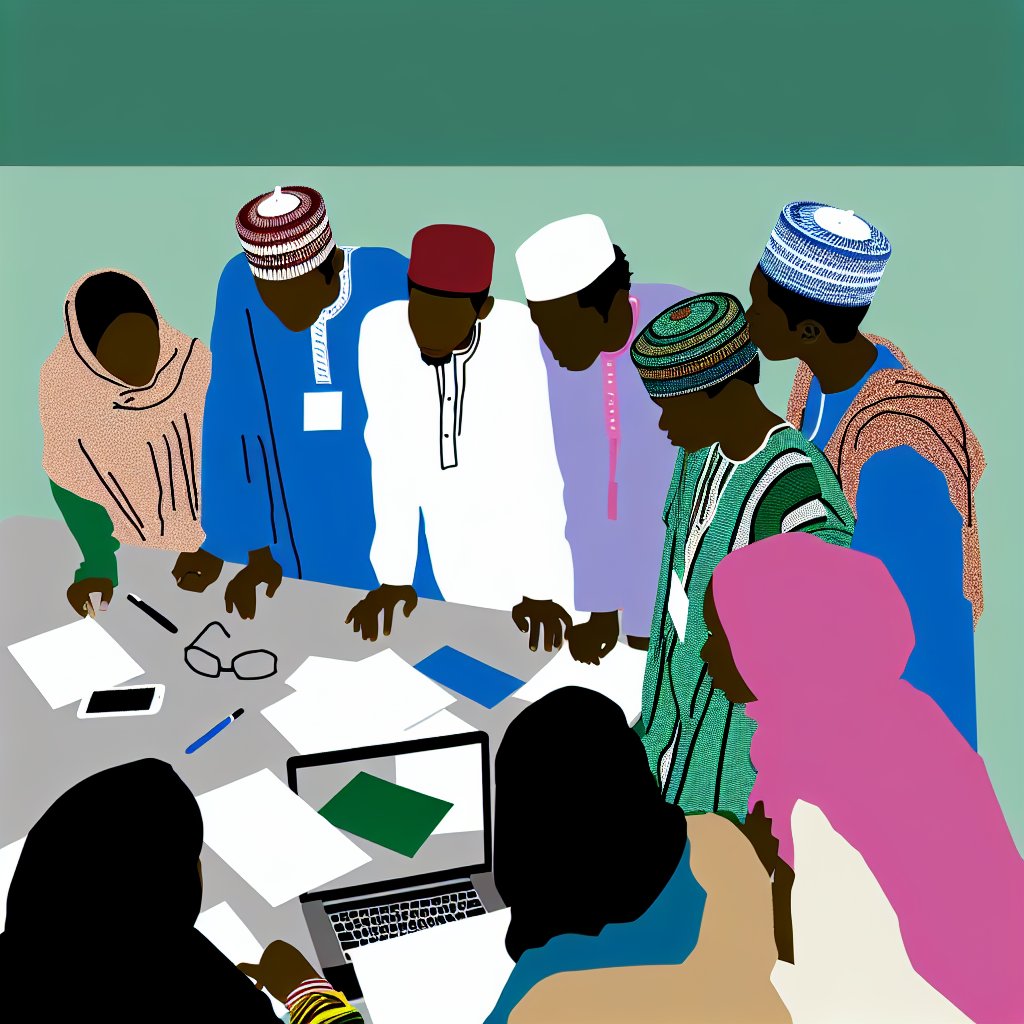
Art as a Means of Preserving Cultural Identity Amid Oppression
Expression of Heritage Through Visual Arts
Visual arts play a crucial role in maintaining Nigerian cultural identity during oppression.
Artists like Adaeze Okafor use traditional motifs to connect communities with their past.
Moreover, these artworks transmit historical narratives that colonial forces tried to erase.
Consequently, paintings and sculptures serve as silent protest against cultural erasure.
The Role of Music and Oral Traditions
Music offers an accessible medium for preserving language and stories during resistance.
Musicians such as Ibrahim Balarabe incorporate indigenous rhythms to strengthen cultural pride.
Additionally, oral traditions passed through songs help sustain communal memory and identity.
Therefore, these traditions resist external attempts to dismantle Nigerian heritage.
Crafts and Symbolism in Everyday Life
Craftsmanship like weaving and beadwork carries meaningful symbols of Nigerian identity.
Artisans, including Chukwuma Eze, embed ancestral motifs that reflect shared values.
Furthermore, these crafts reinforce community bonds despite political and social suppression.
Thus, everyday artistry becomes a subtle yet powerful form of cultural preservation.
Art’s Influence on Mobilizing Resistance Movements
Art creates a common cultural foundation for mobilizing resistance against oppression.
Leaders such as Ngozi Okoye use art to inspire unity and resilience among activists.
Explore Stunning African Digital Art Prints!
Bring the beauty of Nigeria and Africa into your space with high-quality HD digital prints. Browse our collection on Instagram, find what speaks to you, and own a masterpiece today! See something you love? Send us a message on Instagram!
View Collection on InstagramIn essence, art nurtures a sense of belonging and shared purpose within liberation efforts.
Ultimately, it transforms cultural preservation into an act of defiance and hope.
The influence of music, theater, and dance in resistance efforts
Music as a tool for mobilization and expression
Music played a vital role in rallying Nigerians during resistance movements.
Protest songs conveyed powerful messages that united diverse communities.
Artists like Fela Kuti used Afrobeat to challenge oppressive political regimes.
Moreover, lyrics often highlighted social injustices and demanded change.
People gathered at concerts and rallies, strengthening collective resolve.
In addition, music preserved cultural identity amidst colonial attempts to suppress it.
Therefore, musicians became symbolic leaders inspiring courage and hope.
Theater as a medium for social commentary and education
Theater artists dramatized the struggles faced under colonial and military rule.
Groups such as Groundworks Theatre Company staged plays with political themes.
These performances raised awareness on human rights and governance issues.
Furthermore, interactive dramas engaged audiences in discussions about freedom.
Theater provided a safe space to critique authorities without direct confrontation.
Consequently, it fueled critical thinking and nurtured resistance consciousness.
Performers like Wole Soyinka used drama to expose corruption and inspire activism.
Dance as a form of cultural resistance and solidarity
Dance movements preserved indigenous traditions threatened by colonial influence.
Communities performed dances symbolizing unity, resilience, and defiance.
For example, dance troupes expressed collective grief and determination after conflicts.
Additionally, rhythmic dances boosted morale among resistance fighters and civilians.
These performances often accompanied music and storytelling for powerful impact.
Dance also served as a nonverbal way to communicate resistance across language barriers.
Thus, it strengthened social bonds and reinforced a shared identity against oppression.
Collective impact of performing arts in Nigerian liberation
Together, music, theater, and dance energized communities striving for independence.
These art forms complemented one another to foster political awareness and action.
Artists collaborated to amplify messages of liberation and social justice.
As a result, performing arts became indispensable to grassroots organizing efforts.
Moreover, cultural expressions challenged the legitimacy of colonial and military rulers.
They preserved histories and memories vital to sustaining the liberation cause.
Ultimately, the arts empowered Nigerians to envision and pursue a free future.
Explore Stunning African Digital Art Prints!
Bring the beauty of Nigeria and Africa into your space with high-quality HD digital prints. Browse our collection on Instagram, find what speaks to you, and own a masterpiece today! See something you love? Send us a message on Instagram!
View Collection on InstagramContemporary Reflections of Resistance Themes in Nigerian Art
Art as a Voice for Social Justice
Nigerian artists actively use their work to challenge oppression and injustice.
They express social and political struggles through vibrant visual narratives.
For example, Ngozi Okoro’s murals highlight police brutality and governmental corruption.
Likewise, Chinedu Amaka’s sculptures portray the resilience of marginalized communities.
Thus, contemporary art becomes a powerful platform for advocacy and change.
Reimagining Historical Resistance Through Modern Media
Many artists draw inspiration from Nigeria’s liberation history in their creations.
For instance, Amina Yusuf creates digital art that commemorates anti-colonial heroes.
This approach bridges the past and present struggles for freedom and dignity.
Moreover, mixed media installations by Emeka Nwankwo reinterpret traditional symbols of resistance.
Consequently, they engage younger generations with complex historical narratives.
The Role of Music and Performance Art
Music remains central to contemporary resistance expression in Nigeria.
Artists like Fatima Adeyemi blend traditional rhythms with protest lyrics.
Similarly, theatre groups such as Lagos Performers enact stories about social inequality.
Performance art, therefore, energizes public spaces with calls for liberation.
These forms foster community solidarity and raise political awareness.
Art Collectives and Community Engagement
Blending activism and creativity, collective art initiatives flourish in Nigeria.
The Urban Visionaries group hosts exhibitions highlighting youth-led resistance efforts.
These projects encourage dialogue and civic participation at the grassroots level.
Additionally, workshops led by artist Chika Obi empower women to tell their stories.
Such efforts deepen public understanding of ongoing liberation challenges.
Contemporary Challenges and Opportunities for Resistance Art
Despite its impact, resistance art often faces censorship and political pressure.
However, online platforms provide new spaces for artists to share their work.
Moreover, international collaborations expand exposure and support for Nigerian creators.
Artists like Kemi Afolabi leverage social media to connect with global audiences.
Contemporary resistance art continues to evolve amid obstacles and opportunities.
Challenges Faced by Artists During Political Unrest
Repression and Censorship
Artists in Nigeria often face severe repression during periods of political unrest.
The government frequently censors artworks that criticize or question authority.
Many artists endure threats, harassment, or imprisonment for their expressions.
For example, visual artists like Emeka Nwafor faced arrests for depicting police brutality.
Media blackouts and restrictions limit the ability to share resistance art widely.
Explore Stunning African Digital Art Prints!
Bring the beauty of Nigeria and Africa into your space with high-quality HD digital prints. Browse our collection on Instagram, find what speaks to you, and own a masterpiece today! See something you love? Send us a message on Instagram!
View Collection on InstagramEconomic Hardships and Resource Constraints
Political instability disrupts the economic support systems for artists.
Many struggle to find funds or materials to create and display their works.
Galleries and cultural centers often close down or are inaccessible.
Consequently, artists resort to informal networks to continue their practice.
Social Stigmatization and Isolation
Artists who take political stances risk alienation from their communities.
Some are viewed with suspicion or accused of inciting unrest.
This often leads to social isolation and limited collaboration opportunities.
Despite these challenges, artists show remarkable resilience and commitment.
Methods of Resistance Employed by Nigerian Artists
Use of Symbolism and Metaphor
Artists cleverly use symbolism to convey messages without direct confrontation.
For instance, works by Amina Yusuf use cultural motifs to critique oppression subtly.
This approach allows art to evade censorship while resonating deeply with audiences.
Street Art and Public Performances
Many artists take their resistance to public spaces through murals and performances.
Street art, such as that by Chike Okoro, has proven powerful in mobilizing communities.
Additionally, theater groups perform plays that challenge authoritarian narratives.
This method bypasses traditional institutions that may restrict dissenting voices.
Collaboration and Community Engagement
Artists build networks to support each other’s creative resistance efforts.
Collectives like Freedom Canvas provide safe spaces for expression and resource sharing.
Workshops and community projects amplify marginalized voices and foster solidarity.
Such collaborations help sustain movements despite intense political pressure.
Digital Platforms and Social Media
Nigerian artists increasingly harness digital media to spread their messages.
Social platforms allow rapid distribution and engagement beyond physical borders.
Online campaigns featuring artists such as Ifeoma Chukwu challenge official narratives.
This virtual approach strengthens awareness and international solidarity.
Additional Resources
EXPLORING CITIZEN REBELLION IN POST-COLONIAL NIGERIA
Ar(c)tivism and Policing: Unveiling the Theatrics of Justice … – MDPI