
Introduction to African Art Symbols and Their Cultural Significance
Role of Symbols in African Art
African art uses symbols to convey deep meanings beyond their visual appeal.
These symbols communicate cultural beliefs, values, and historical narratives.
Artists embed messages using shapes, patterns, and colors that hold specific meanings.
Moreover, these symbols serve as a bridge between generations and communities.
Therefore, understanding these symbols reveals the richness of African heritage.
Cultural Importance of African Art Symbols
Symbols in African art often represent spirituality, social status, and identity.
For example, some symbols connect people to ancestors or deities.
Others celebrate achievements or mark significant life events.
In many societies, symbols guide moral conduct and community values.
Consequently, these symbols play a vital role in maintaining cultural continuity.
Common Themes Found in African Art Symbols
African art frequently includes symbols related to nature, animals, and the cosmos.
Symbols like the Adinkra signs from Ghana depict philosophical concepts.
For instance, the “Gye Nyame” symbol expresses the supremacy of God.
Similarly, animal motifs might signify power, wisdom, or protection.
These themes enrich artwork with layers of meaning and significance.
Transmission of Symbolic Knowledge
Symbolic meanings are passed down through oral traditions and craftsmanship.
Skilled artisans learn the significance of each symbol from elder mentors.
Community rituals and ceremonies also reinforce the use of art symbols.
This practice ensures symbols retain their relevance over time.
Thus, African art remains a living expression of cultural identity.
Historical Background of African Symbolism in Art
Origins and Cultural Significance
African art symbolism dates back thousands of years.
It reflects diverse cultural beliefs and traditions across the continent.
Moreover, symbols often communicate social values and spiritual ideas.
Early African civilizations such as the Nok and Ife greatly contributed to symbolic art.
They used symbols in sculptures, textiles, and pottery.
These symbols conveyed messages about identity, status, and cosmology.
Role of Symbols in Traditional Societies
Symbols play an essential role in African ritual and daily life.
For example, masks embody spirits or ancestors during ceremonies.
They also ensure community cohesion and continuity of traditions.
Additionally, symbols teach moral lessons and reinforce social norms.
Explore Stunning African Digital Art Prints!
Bring the beauty of Nigeria and Africa into your space with high-quality HD digital prints. Browse our collection on Instagram, find what speaks to you, and own a masterpiece today! See something you love? Send us a message on Instagram!
View Collection on InstagramThey often represent concepts such as fertility, power, and protection.
Evolution Through Historical Events
African art symbols evolved through interactions with traders and colonizers.
Trade with Europe and the Middle East introduced new materials and ideas.
Consequently, symbols sometimes integrated foreign elements while preserving core meanings.
Colonialism challenged indigenous art forms but did not erase symbolism.
Instead, artists adapted symbols to express resistance and cultural pride.
Influential African Artists and Symbolism
Artists like El Anatsui popularized traditional symbols globally.
He blends ancient motifs with contemporary artistic techniques.
Consequently, his work educates audiences about African heritage.
Other artists in Nigeria and Ghana continue exploring symbolic meanings.
They ensure this rich symbolic language persists across generations.
Common Motifs and Patterns Found in African Art
Geometric Shapes and Their Significance
African art often employs geometric shapes to convey cultural messages.
Triangles, circles, and squares appear frequently in many artworks.
For example, circles symbolize eternity and unity in numerous cultures.
Triangles commonly represent strength, power, or spirituality.
Squares can indicate stability and balance within a community context.
Artists use these shapes deliberately to communicate meaning effectively.
Animal Symbols and Their Meanings
Animals hold significant symbolic value in African art.
The lion often represents courage, leadership, and protection.
Similarly, the elephant symbolizes wisdom, strength, and longevity.
Birds generally signify freedom, messengers, or transition between worlds.
These animal motifs connect viewers to nature and ancestral beliefs.
Spirals and Circular Patterns
Spirals and concentric circles are recurring themes in African art.
They symbolize growth, transformation, and the cycle of life.
Many cultures interpret spirals as a journey of self-discovery or spiritual enlightenment.
This pattern often appears on pottery, textiles, and body art.
Such designs encourage contemplation of life’s continuous movement.
Use of Line and Repetition
Lines often define African decorative patterns with rhythmic repetition.
Repeated motifs highlight themes such as community, harmony, and continuity.
Wavy lines may evoke water or fluidity, symbolizing life’s flow.
Explore Stunning African Digital Art Prints!
Bring the beauty of Nigeria and Africa into your space with high-quality HD digital prints. Browse our collection on Instagram, find what speaks to you, and own a masterpiece today! See something you love? Send us a message on Instagram!
View Collection on InstagramParallel lines often emphasize order and structure in natural or social life.
Artists use repetition to strengthen visual impact and cultural significance.
Adinkra Symbols: Visual Language of the Ashanti
Adinkra symbols originate from the Ashanti people of Ghana.
Each symbol conveys a proverb, value, or philosophical idea.
For instance, “Gye Nyame” represents the supremacy of God.
“Sesa Wo Suban” means transformation and self-improvement.
These symbols appear on cloth, pottery, and architectural decorations.
They serve as a visual language, communicating wisdom across generations.
Patterns Reflecting Social Status and Identity
Complex patterns often indicate an individual’s social status or role.
For example, intricate beadwork may symbolize royalty or chieftaincy.
Textile patterns can denote ethnic affiliation or spiritual beliefs.
Such patterns reinforce identity within diverse African societies.
Therefore, artisans carefully craft motifs to convey personal and communal stories.
Delve into the Subject: The Role of Art in Nigerian Resistance and Liberation Movements
Symbolism in African Textiles and Beadwork
Meaningful Patterns in African Textiles
African textiles carry deep symbolic meanings embedded in their patterns and colors.
For example, Kente cloth from Ghana expresses social status and cultural values.
Colors such as gold signify wealth, while green represents growth and renewal.
Moreover, geometric motifs often convey proverbs and historical events.
Craftsmen intentionally select designs to communicate identity and messages.
Cultural Significance of Beadwork
African beadwork serves as a visual language for many communities.
The Maasai people use beads to indicate age, marital status, and social roles.
Colors in beadwork also symbolize important concepts like courage and purity.
Additionally, bead patterns can mark important life events and rites of passage.
Artists carefully arrange beads to tell stories passed down generations.
Regional Variations and Techniques
Textile and beadwork symbolism varies widely across African regions.
West African indigo-dyed cloths use motifs representing fertility and protection.
In Southern Africa, Zulu beadwork employs precise color codes for communication.
Techniques such as embroidery, weaving, and stringing beads influence the design.
These craftspeople blend tradition with personal creativity to keep culture alive.
Symbolism in Contemporary African Art
Today, African artists incorporate traditional symbols into modern textiles and beadwork.
Explore Stunning African Digital Art Prints!
Bring the beauty of Nigeria and Africa into your space with high-quality HD digital prints. Browse our collection on Instagram, find what speaks to you, and own a masterpiece today! See something you love? Send us a message on Instagram!
View Collection on InstagramThis fusion strengthens cultural pride and educates new audiences.
Contemporary designs often highlight social issues through symbolic imagery.
Consequently, symbolism remains a vital aspect of artistic expression and heritage.
Artisans like Amina Kelechi continue innovating while honoring ancestral meanings.
Common Symbols and Their Interpretations
- The Adinkra symbol “Gye Nyame” represents the supremacy of God in Ghanaian textiles.
- Triangles and zigzags often symbolize protection and life's journey.
- Beaded crosses can indicate faith and spirituality among various cultures.
- Circles frequently denote unity and the cycle of life.
- Colors such as red may embody sacrifice or strength depending on context.
Uncover the Details: Understanding the Techniques Behind African Art Printing
Meaning of Popular African Symbols in Different Regions
West African Symbols
West African art uses symbols to convey deep cultural values and beliefs.
The Adinkra symbols from Ghana are among the most famous.
For example, the symbol “Gye Nyame” represents the supremacy of God.
This symbol expresses the belief in the omnipotence of a higher power.
Another popular Adinkra symbol is “Sankofa,” meaning to return and retrieve knowledge.
Moreover, “Duafe” symbolizes beauty, cleanliness, and feminine qualities.
These symbols often appear in textiles, pottery, and carvings.
Artists use them to communicate messages and social values effectively.
East African Symbols
East African art incorporates symbols reflecting its diverse ethnic groups.
The Maasai people use beadwork patterns that carry symbolic meanings.
Colors in Maasai beadwork represent concepts like bravery, truth, and health.
For instance, red symbolizes bravery and strength.
Additionally, blue stands for energy and the sky.
In Ethiopia, crosses contain unique patterns symbolizing faith and protection.
These crosses showcase intricate designs with spiritual significance.
Thus, East African symbols emphasize community values and spirituality.
Central African Symbols
Central African art features symbolic motifs linked to nature and spirituality.
The Kuba people create masks decorated with geometric symbols.
Triangles and dots often reflect fertility, wealth, and social status.
Furthermore, the BaKongo use cosmograms representing the cycle of life and death.
This symbol illustrates the connection between the spiritual and physical worlds.
Their art communicates messages about balance and continuity.
Symbols in this region guide rituals and inform social behavior.
Southern African Symbols
Southern African artwork includes symbols tied to history and identity.
The Ndebele people are famous for their colorful house paintings and patterns.
Explore Stunning African Digital Art Prints!
Bring the beauty of Nigeria and Africa into your space with high-quality HD digital prints. Browse our collection on Instagram, find what speaks to you, and own a masterpiece today! See something you love? Send us a message on Instagram!
View Collection on InstagramThe geometric shapes represent community values and personal expression.
In addition, the Zulu use beadwork symbols to communicate social messages.
Different color combinations define social status and relationship roles.
These symbols maintain cultural identity and preserve traditions.
Artists actively pass down meanings through generations.
North African Symbols
North African art reflects influences from Berber, Arab, and Islamic cultures.
Geometric patterns symbolize infinity and the divine nature of creation.
Calligraphy often conveys religious texts and profound messages.
The Hand of Fatima, or Khamsa, protects against evil spirits.
This amulet is a common motif in jewelry and decoration.
These symbols emphasize protection, spirituality, and cultural heritage.
Artists use them to blend tradition with aesthetic appeal.
Shared Themes in African Symbolism
Despite regional differences, several themes unite African symbols.
They often represent spirituality, community, and respect for nature.
Symbols communicate social values, moral lessons, and historical events.
Many Afrocentric artists incorporate these motifs in modern expressions.
This practice helps preserve cultural identity and pride.
Therefore, understanding African symbols reveals rich cultural narratives.
Uncover the Details: The Influence of Nigerian Tribal Art on Modern Design
The Role of African Art Symbols in Storytelling and Communication
Symbols as a Language
African art symbols serve as a unique and powerful language across cultures.
They convey messages without relying on spoken words.
Moreover, these symbols transmit important cultural values and beliefs.
For example, the Adinkra symbols of the Akan people express wisdom and unity.
Consequently, communities use symbols to maintain traditions across generations.
Storytelling Through Visual Symbols
African art symbols often illustrate stories from history and mythology.
Artists embed narratives within sculptures, textiles, and jewelry.
These visual stories preserve ancestral knowledge and communal identity.
For instance, the Ndebele tribe uses geometric patterns to recount social issues.
Therefore, storytelling becomes a communal activity that reinforces social bonds.
Communication Beyond Words
Symbols enable communication that transcends language barriers.
Explore Stunning African Digital Art Prints!
Bring the beauty of Nigeria and Africa into your space with high-quality HD digital prints. Browse our collection on Instagram, find what speaks to you, and own a masterpiece today! See something you love? Send us a message on Instagram!
View Collection on InstagramThey offer a universal understanding based on shared cultural contexts.
Additionally, leaders use symbols to convey authority and social status.
In rituals, symbolic motifs guide participants through spiritual experiences.
Thus, these signs facilitate dialogue between the physical and spiritual worlds.
Types of African Art Symbols
- Animals signify traits such as strength, cunning, and wisdom.
- Natural elements symbolize life cycles and cosmic order.
- Patterns express concepts of harmony, balance, and protection.
Each symbol carries layers of meaning, inviting interpretation.
Influence of African Art Symbols on Contemporary Communication and Art
Contemporary African artists incorporate traditional symbols into new works.
This fusion bridges the past with present cultural expressions.
Furthermore, symbols inspire global audiences to appreciate African heritage.
Cultural organizations use symbols to promote educational initiatives worldwide.
In this way, African art symbols remain vital in global storytelling and dialogue.
Gain More Insights: How Nigerian Art Prints Are Used for Cultural Diplomacy
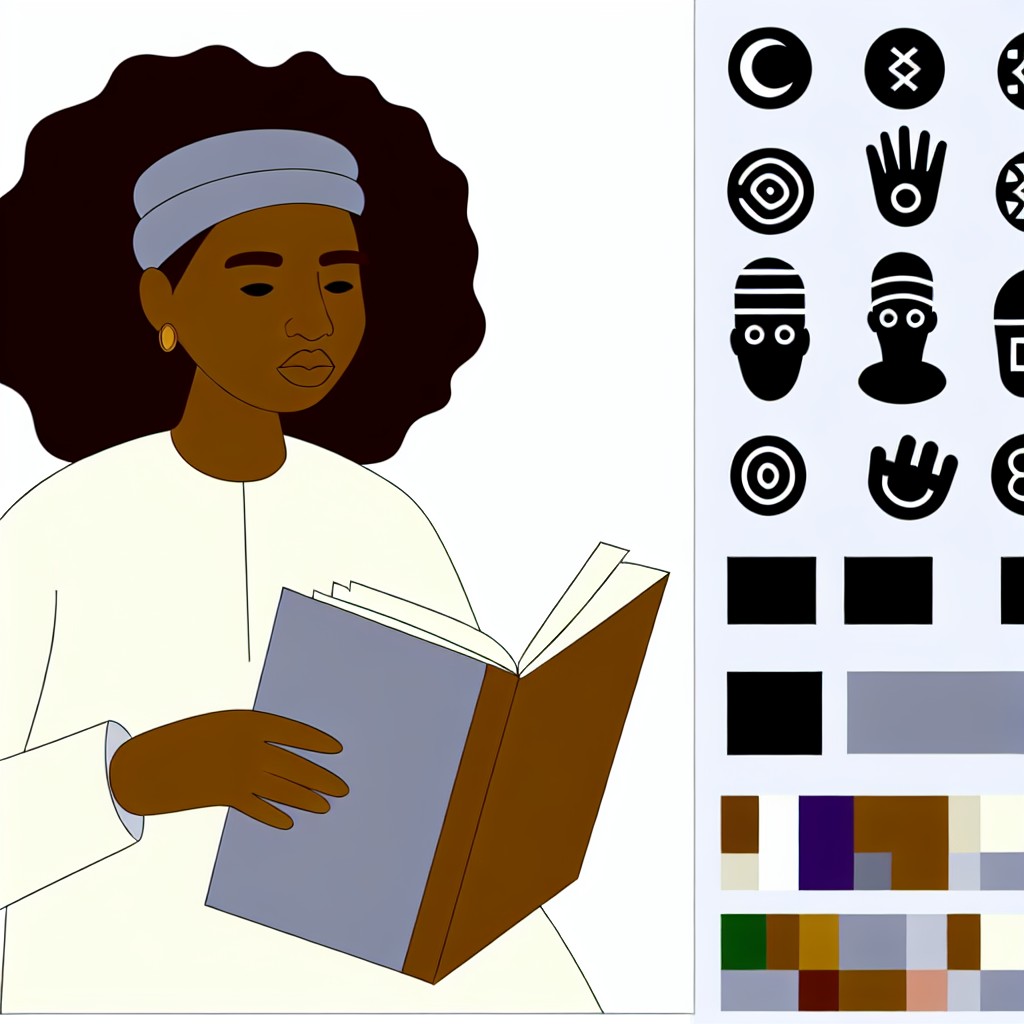
Influence of African Symbols on Modern and Contemporary Art
Inspiration for Visual Language
African symbols provide a rich source of inspiration for modern artists worldwide.
Many contemporary creatives adopt these symbols to communicate cultural identity effectively.
Artists like Amina Diouf and Kwame Mensah incorporate traditional motifs in their work.
This fusion helps bridge cultural heritage with modern artistic expression.
Impact on Design and Fashion
Designers increasingly use African symbols in textiles and clothing patterns.
Brands such as Nyota Atelier feature symbolic prints inspired by African art.
These designs celebrate African heritage on global fashion platforms.
The use of symbols heightens awareness of African cultural narratives.
Symbolism in Contemporary Installations
Contemporary installation artists embed African symbols to evoke deeper meanings.
Sculptor Lwazi Kamau integrates Adinkra motifs to explore identity themes.
These installations invite viewers into meaningful cultural dialogues.
Such symbolism enriches the narrative layers within the artwork.
Promotion of Cultural Dialogue
African symbols encourage cross-cultural conversations in the modern art scene.
They create connections between traditional African communities and international audiences.
Artists like Fatima Bah foster understanding through symbolic storytelling.
This exchange supports global appreciation of African artistic heritage.
Use of African Symbols in Digital Art
Digital artists incorporate African symbols to create innovative and dynamic artworks.
Studios like Umoja Digital Arts utilize these motifs in virtual reality experiences.
This approach modernizes traditional symbols for tech-savvy audiences.
Explore Stunning African Digital Art Prints!
Bring the beauty of Nigeria and Africa into your space with high-quality HD digital prints. Browse our collection on Instagram, find what speaks to you, and own a masterpiece today! See something you love? Send us a message on Instagram!
View Collection on InstagramIt extends the relevance of African art into future art forms.
Preservation and Reinterpretation of African Art Symbols Today
Efforts to Preserve Traditional Symbols
Communities across Africa actively preserve their artistic heritage.
Local artisans pass down symbol meanings through generations.
Institutions like the Nkosi Cultural Center promote symbol education.
Moreover, digital archives document symbols for broader access.
This approach ensures that cultural knowledge remains vibrant.
Contemporary Artists Reimagining Symbols
Many African artists reinterpret traditional symbols in modern contexts.
For example, Adeola Mensah blends Adinkra motifs with abstract art.
These reinterpretations inspire new conversations about identity.
Consequently, audiences worldwide engage with African symbolism anew.
Role of Museums and Galleries
Museums like the Mirembe Art Gallery showcase African art symbols.
They curate exhibitions highlighting both historical and modern works.
Additionally, interactive displays educate visitors on symbol meanings.
Such initiatives foster appreciation among diverse global audiences.
Educational Programs and Workshops
Organizations such as the Umoja Arts Institute conduct symbol workshops.
These programs teach symbol design and cultural significance.
Participants gain hands-on experience creating symbolic art.
Ultimately, education helps keep these traditions alive and evolving.
Impact of Globalization and Technology
Globalization introduces African art symbols to international markets.
Social media platforms amplify artists’ reach and creative expression.
However, some symbols face misinterpretation outside their cultures.
Therefore, cultural sensitivity remains vital in symbol usage today.
How to Interpret and Incorporate African Symbols Respectfully
Understanding the Cultural Context
African symbols carry deep meanings rooted in rich cultural histories.
First, learn about the origin and background of each symbol you want to use.
Many symbols represent values, beliefs, and social norms specific to communities.
Therefore, avoid assuming all symbols have universal meanings across Africa.
Consult local experts or cultural historians like Kwame Asante or Efua Boateng for guidance.
Researching Symbols Thoroughly
Start by reading literature written by African scholars and artists.
Visit museums such as The National Museum of Nigeria or the Johannesburg Art Gallery for authentic insights.
Utilize academic journals and trusted online sources to verify symbol meanings.
Explore Stunning African Digital Art Prints!
Bring the beauty of Nigeria and Africa into your space with high-quality HD digital prints. Browse our collection on Instagram, find what speaks to you, and own a masterpiece today! See something you love? Send us a message on Instagram!
View Collection on InstagramMoreover, understand the variations in symbols across different ethnic groups.
Respectful Use of Symbols
Always acknowledge the communities from which the symbols originate.
Ask for permission when possible, especially when using sacred or spiritual symbols.
Avoid commercializing or trivializing symbols that hold religious importance.
For example, consult with elders or cultural leaders like Amina Diop or Thabo Mahlangu.
Respect the symbolism’s significance to prevent cultural appropriation.
Incorporating Symbols with Integrity
Use symbols thoughtfully within your artwork or designs.
Combine traditional symbols with modern elements to create respectful fusion artwork.
Explain the meanings behind the symbols clearly to your audience.
This approach promotes education and appreciation, rather than mere decoration.
Collaborate with African artists and cultural consultants to enhance authenticity.
Practices to Avoid
- Do not use symbols without understanding their significance.
- Avoid copying symbols without crediting their origin or creators.
- Refrain from altering symbols to fit unrelated themes or messages.
- Never use sacred symbols in disrespectful or profane contexts.
Promoting Cultural Appreciation
Share stories and histories behind African symbols in your work.
Encourage dialogue with members of African communities.
Support African artists like Chiamaka Okoro and Mbali Zulu by featuring their interpretations.
Through genuine appreciation, you celebrate and preserve African heritage.
Case Studies of Famous African Art Pieces and Their Symbolic Meanings
The Benin Bronzes: Royal Power and Ancestral Legacy
The Benin Bronzes originate from the Kingdom of Benin, now modern-day Nigeria.
These bronze plaques and sculptures symbolize royal authority and spiritual power.
They often depict Obas, or kings, alongside historical events and court rituals.
Moreover, they convey respect for ancestors and continuity of the kingdom’s lineage.
In addition, the artworks incorporate symbols representing strength, unity, and divine protection.
The Nok Terracotta Figures: Fertility and Social Status
The Nok culture flourished in Nigeria between 1500 BC and 500 AD.
The terracotta sculptures primarily represent human figures and animals with elaborate features.
These pieces symbolize fertility, community roles, and social hierarchy within Nok society.
Furthermore, the distinctive facial markings highlight individual identity and spiritual beliefs.
Scholars believe these sculptures played roles in rituals and ancestor worship practices.
The Dogon Masks: Cosmic Order and Spiritual Communication
The Dogon people of Mali use masks during ceremonies to connect with the spiritual world.
Each mask embodies symbolism related to cosmic forces, ancestors, and mythology.
For example, the Kanaga mask symbolizes the connection between earth and sky.
Moreover, the masks facilitate communication with the spirits during celebrations and funerals.
Therefore, they ensure social harmony and reinforce cultural values among the Dogon.
Explore Stunning African Digital Art Prints!
Bring the beauty of Nigeria and Africa into your space with high-quality HD digital prints. Browse our collection on Instagram, find what speaks to you, and own a masterpiece today! See something you love? Send us a message on Instagram!
View Collection on InstagramNzambi Nkondi Figures: Justice and Protection
The Kongo people in Central Africa created Nzambi Nkondi figures as powerful spiritual objects.
These wooden statues often feature nails and blades driven into them by community members.
The act symbolizes invoking the spirit to enforce oaths or seek justice in disputes.
Additionally, the figures protect villages from evil spirits and harmful influences.
Thus, they represent social accountability and communal protection mechanisms.
The Adinkra Symbols: Wisdom and Ethical Values
The Ashanti people of Ghana developed Adinkra symbols for communication and decoration.
Each symbol carries a specific meaning linked to proverbs, history, or moral lessons.
Common motifs include courage, unity, and respect for elders and traditions.
People use these symbols on textiles, pottery, and architecture to convey messages.
Hence, Adinkra acts as a visual language reinforcing cultural wisdom and identity.
The Great Zimbabwe Soapstone Birds: Spiritual Authority and Identity
The Great Zimbabwe civilization carved soapstone birds as significant cultural icons.
These sculptures symbolize spiritual leadership and connection between the living and ancestors.
The birds also represent the kingdom’s prosperity and state power.
Archaeologists suggest they were placed atop stone structures as symbolic guardians.
Therefore, they served both religious and political functions within the society.
Additional Resources
The arts of Africa, c. 18th–20th century – Smarthistory
Understanding The ISMS of Nigerian Post-Colonial Art Movements