
Historical Significance of Art in Nigerian Cultural Celebrations
Traditional Roles of Art in Society
Art has long played a vital role in Nigerian cultural celebrations.
It serves as a medium to preserve history and transmit cultural values.
Furthermore, art connects communities across generations through shared symbols.
Traditional masks, sculptures, and textiles often represent ancestral spirits and beliefs.
In addition, these artworks guide rituals and mark important social milestones.
Art Forms Central to Cultural Festivities
Various art forms appear prominently during Nigerian festivals and ceremonies.
For example, the Yoruba people use vibrant beadwork and intricate carvings.
Likewise, the Igbo people incorporate uli body paintings and ceremonial costumes.
Moreover, the Hausa utilize leather crafts and calligraphy in celebrations.
These diverse art forms symbolize identity, heritage, and spiritual connection.
Evolution of Artistic Expression Over Time
Historically, Nigerian art evolved with changing social and political contexts.
Colonial influences introduced new materials and techniques but did not erase tradition.
Instead, artists blended modern styles with indigenous themes during festivals.
This fusion enriched cultural expressions and enhanced communal pride.
Today, artists like Amaka Nwosu celebrate Nigerian heritage through innovative festival art.
Art as a Unifying Force in Celebrations
Art brings together people from various ethnic groups during cultural events.
Shared artistic practices foster mutual respect and cultural understanding.
Consequently, art strengthens social bonds and national identity.
Communities actively participate in creating and displaying art during festivities.
This collective creativity reflects unity amidst Nigeria’s ethnic diversity.
Festivals Highlighting Artistic Heritage
The Osun-Osogbo festival showcases elaborate sculptures and sacred artwork.
The Argungu Fishing Festival features traditional music, costumes, and crafts.
Similarly, the New Yam Festival involves colorful masks and dances expressing gratitude.
Each event emphasizes art’s role in spiritual and social life.
These celebrations continue to inspire contemporary Nigerian artists nationwide.
Different Forms of Art Used in Nigerian Festivals and Ceremonies
Visual Arts and Craftsmanship
Visual arts play a vital role in Nigerian cultural celebrations.
Traditional crafts include intricate beadwork.
They also include pottery and textile weaving.
Artists from the Yoruba community excel in creating vibrant adire fabrics.
Additionally, Igbo artisans produce detailed uli and nsibidi designs during festivals.
Explore Stunning African Digital Art Prints!
Bring the beauty of Nigeria and Africa into your space with high-quality HD digital prints. Browse our collection on Instagram, find what speaks to you, and own a masterpiece today! See something you love? Send us a message on Instagram!
View Collection on InstagramThese artworks symbolize cultural stories and ancestral heritage.
Music and Dance
Music energizes Nigerian festivals and reflects diverse ethnic identities.
Drum ensembles, such as the talking drums, communicate messages in celebrations.
Moreover, dances express communal values and historical narratives.
The Hausa engage in wasan kwaikwayo, a tradition blending music and storytelling.
Together, music and dance create an immersive cultural experience.
Theatrical Performances
Theatre remains an essential form at many Nigerian ceremonies.
Drama groups perform epic tales and folklore that bind communities.
For example, the Eyo masquerade combines drama, dance, and costume art.
These performances educate younger generations about moral lessons.
They also entertain and reinforce social cohesion among participants.
Masks and Masquerades
Masks hold spiritual and symbolic importance in Nigerian celebrations.
Various ethnic groups use masks to honor ancestors or nature spirits.
The Benin people craft bronze and ivory masks with elaborate designs.
Furthermore, masquerades like Egungun embody the presence of ancestral spirits.
These art forms connect the living with their cultural roots effectively.
Oral Art and Storytelling
Oral traditions complement visual arts during cultural festivities.
Griots and elders narrate proverbs, myths, and historical events aloud.
Folktales delivered in multiple languages preserve Nigeria’s intangible heritage.
Storytelling enhances communal identity and strengthens interpersonal bonds.
It also nurtures language skills and cultural pride among listeners.
Contemporary Artistic Expressions
Modern Nigerian artists creatively blend tradition with contemporary styles.
Festivals now include artworks exhibiting Afrobeat-inspired installations.
For instance, Lagos-based artist Ngozi Okoro showcases cultural themes globally.
Such innovation ensures cultural heritage remains vibrant and relevant.
Ultimately, art evolves while maintaining deep cultural significance during celebrations.
The Role of Masks and Sculptures in Traditional Nigerian Rituals
Significance of Masks in Rituals
Masks hold immense cultural and spiritual importance in Nigerian communities.
They often represent ancestral spirits, deities, or mythical beings.
During rituals, masks enable performers to embody these supernatural entities.
Consequently, they become a bridge between the human world and the spiritual realm.
Explore Stunning African Digital Art Prints!
Bring the beauty of Nigeria and Africa into your space with high-quality HD digital prints. Browse our collection on Instagram, find what speaks to you, and own a masterpiece today! See something you love? Send us a message on Instagram!
View Collection on InstagramFurthermore, masks communicate social values and cultural heritage to the audience.
This art form also reinforces community identity and shared beliefs.
Varieties and Symbolism of Masks
Nigerian masks vary widely depending on ethnic group and ritual purpose.
For example, the Yoruba use elaborate Gelede masks in female-centric festivals.
Similarly, the Igbo tribe employs the Agbogho Mmuo mask to honor maiden spirits.
In addition, the Edo people utilize ivory masks linked to royal authority and ancestral veneration.
Each mask incorporates symbolic colors, patterns, and shapes.
These elements convey messages about morality, fertility, protection, and power.
Function of Sculptures in Ritual Practices
Sculptures complement masks by offering tangible forms for veneration and communication.
They frequently depict ancestors, gods, or cultural heroes.
Communities place sculptures in shrines where priests conduct ceremonies.
These artworks act as mediums through which worshippers seek blessings and guidance.
Moreover, sculptures preserve oral histories and ancestral legacies visually.
Materials and Craftsmanship
Traditional masks and sculptures use locally sourced materials such as wood, bronze, and terracotta.
Craftsmen like Olumide Adeyemi and Chiamaka Nwosu are skilled in these art forms.
The artisans employ intricate carving, painting, and decorating techniques.
Additionally, they infuse spiritual significance into the creation process.
Thus, the artistic craftsmanship ensures the ritual objects carry deep cultural resonance.
Influence on Cultural Celebrations
During festivals, masks and sculptures energize ceremonies with vibrant performances.
Dancers animate masks to narrate stories of creation, harvest, and community values.
Similarly, sculptures act as visual anchors reinforcing the spiritual atmosphere.
These art forms foster communal participation and intergenerational learning.
Therefore, they maintain the continuity and vitality of Nigerian cultural celebrations.
Learn More: The Impact of Nigerian Art on Global Art Movements
How Textile Art and Clothing Express Cultural Identity During Celebrations
Symbolism in Traditional Fabrics
Textile art plays a vital role in showcasing cultural values during Nigerian festivals.
Fabrics like Aso Oke and Adire carry historical and community meanings.
Each pattern and color symbolizes distinct messages or social status within a group.
Choosing specific textiles connects individuals strongly to their heritage.
Artisans like Kunle Adebola skillfully create these culturally rich fabrics for celebratory occasions.
Role of Clothing in Communal Identity
Clothing unites communities during cultural celebrations across Nigeria’s diverse ethnic groups.
Explore Stunning African Digital Art Prints!
Bring the beauty of Nigeria and Africa into your space with high-quality HD digital prints. Browse our collection on Instagram, find what speaks to you, and own a masterpiece today! See something you love? Send us a message on Instagram!
View Collection on InstagramThe Yoruba people wear intricately embroidered Agbada and Gele headwraps.
The Igbo display vibrant Isiagu shirts to reflect chieftaincy and pride.
Hausa traditional dress often includes flowing Babban Riga robes and embroidered caps.
Collectively, these garments visually affirm group belonging and shared traditions.
Modern Interpretations and Innovations
Modern Nigerian designers blend traditional textiles with contemporary styles seamlessly.
Tolulope Adeshina integrates local motifs into fashionable clothing for events and celebrations.
This fusion preserves cultural identity while appealing to younger generations.
It energizes celebrations by showcasing evolving artistic expressions rooted in heritage.
Importance of Textile Art in Ceremony Rituals
Textiles often mark significant moments in rites of passage and festive rituals.
During weddings, brides and grooms wear specially dyed fabrics symbolizing fertility and prosperity.
Dancers use cloths in performances to narrate stories and cultural myths dynamically.
Textile art embodies both spiritual and social meanings during these occasions.
Community Empowerment Through Textile Craftsmanship
Textile art supports local economies by empowering artisans and fabric producers.
The Olumide Textile Cooperative trains young adults in traditional dyeing techniques.
This initiative fosters cultural continuity and creates sustainable livelihoods simultaneously.
Clothing not only expresses identity but also strengthens communal bonds economically.
Delve into the Subject: The Significance of Colors in Nigerian Art Prints
The Integration of Music, Dance, and Visual Art in Nigerian Festivities
Music as a Foundation of Celebration
Music plays a central role in Nigerian cultural celebrations.
It connects communities by bringing people together through rhythm and melody.
Traditional instruments like the talking drum and shekere create unique soundscapes.
Moreover, vocal performances convey stories and ancestral wisdom during festivals.
Contemporary Nigerian artists also enrich celebrations with modern music influences.
Dance as a Vital Expression
Dance invigorates Nigerian festivities by expressing emotion and cultural identity.
Each ethnic group showcases distinctive dance styles and movements.
Performers wear colorful costumes that enhance their storytelling.
Furthermore, dance rituals often symbolize historical events or spiritual beliefs.
Audiences actively participate, reinforcing social bonds and shared heritage.
Visual Art Enhancing Festive Atmospheres
Visual art integrates deeply into Nigerian celebrations through decorations and crafts.
Artists create masks, sculptures, and textiles that represent cultural symbolism.
These art forms decorate venues and set festive moods effectively.
Explore Stunning African Digital Art Prints!
Bring the beauty of Nigeria and Africa into your space with high-quality HD digital prints. Browse our collection on Instagram, find what speaks to you, and own a masterpiece today! See something you love? Send us a message on Instagram!
View Collection on InstagramThey also preserve traditions by passing down motifs and techniques to younger generations.
Additionally, local painters and designers add contemporary creativity to festival displays.
Synergy of Music, Dance, and Visual Art
The combination of music, dance, and visual art produces immersive experiences.
This harmony captivates festival attendees and strengthens communal identity.
Organizers carefully choreograph performances, lighting, and decorations for impact.
Consequently, celebrations become vibrant showcases of Nigeria’s rich cultural heritage.
Artists and performers continuously innovate while respecting traditional roots.
Find Out More: How Nigerian Art Prints Are Transforming Contemporary Art
Art as a Medium for Storytelling and Preserving Nigerian Heritage
Artistic Traditions That Convey Stories
Nigerian art plays a crucial role in communicating traditional stories.
Communities use various art forms to reflect their history and values.
Masks and sculptures often depict ancestral legends and heroic tales.
Textile patterns represent cultural symbols passed through generations.
Art remains a living record of Nigeria’s diverse ethnic narratives.
Preserving Heritage Through Visual Expression
Visual arts safeguard Nigerian heritage from being lost over time.
Many artists incorporate indigenous motifs to honor their roots.
Craftspeople such as potters and woodcarvers maintain age-old techniques.
These efforts ensure cultural continuity amid modern influences.
Art exhibitions promote awareness of Nigeria’s rich heritage worldwide.
Role of Storytelling in Community Identity
Storytelling through art strengthens community identity and unity.
People recognize their collective history in artistic expressions.
Festivals and celebrations showcase artworks that resonate with audiences.
Local artists like Ifeoma Okeke create pieces that narrate tribal myths and experiences.
Art becomes a powerful tool for passing cultural knowledge to younger generations.
Impact of Contemporary Art in Heritage Preservation
Modern Nigerian artists blend traditional themes with contemporary styles.
This fusion attracts new audiences and sustains cultural interest.
For instance, Temitope Adeyemi uses painting to highlight Yoruba folklore with modern perspectives.
Digital media allows storytellers to reach global platforms.
The preservation of heritage adapts to present-day cultural dynamics.
- Masks and ceremonial costumes representing spiritual tales
- Woodcarvings depicting historical events
- Textiles with symbolic patterns and colors
- Traditional music and dance accompanying visual arts
- Contemporary paintings inspired by indigenous legends
Delve into the Subject: How Nigerian Art Prints Promote African Unity
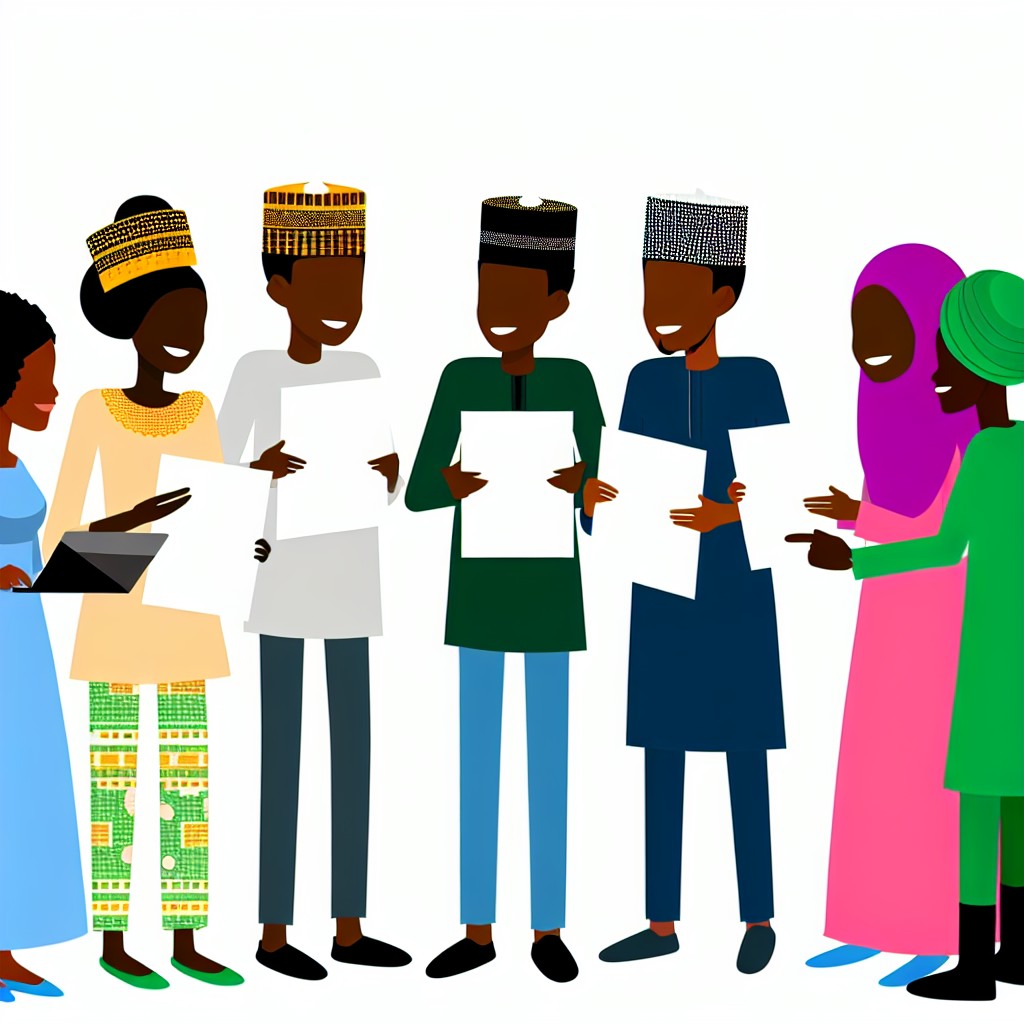
Contemporary Art Influences on Modern Nigerian Cultural Events
Fusion of Traditional and Modern Art Forms
Contemporary artists in Nigeria blend traditional motifs with modern techniques.
Explore Stunning African Digital Art Prints!
Bring the beauty of Nigeria and Africa into your space with high-quality HD digital prints. Browse our collection on Instagram, find what speaks to you, and own a masterpiece today! See something you love? Send us a message on Instagram!
View Collection on InstagramThis fusion revitalizes cultural events with fresh, vibrant expressions.
Consequently, festivals showcase a unique mix of heritage and innovation.
For example, artists like Emeka Oladipo incorporate indigenous patterns into digital installations.
This approach attracts younger audiences while honoring ancestral legacies.
Impact of Visual Arts on Festival Atmospheres
Visual arts transform public spaces during cultural celebrations.
Street murals and sculptures set dynamic moods for attendees.
Likewise, installations by local talents create immersive experiences.
Artists such as Ifeoma Anigbo have redefined event aesthetics through bold colors and forms.
Therefore, visitors enjoy engaging and memorable environments.
Role of Contemporary Music and Dance
Modern Nigerian musicians integrate traditional rhythms with contemporary beats.
This blend energizes cultural dances performed at events.
Popular performers like Chinedu Okeke innovate while respecting classic styles.
As a result, celebrations feature lively performances that resonate widely.
Furthermore, new choreography styles stimulate community participation.
Involvement of Emerging Digital Artists
Digital art plays an increasing role in contemporary celebrations.
Artists use projection mapping and virtual reality to enhance cultural storytelling.
These technologies offer interactive ways to experience Nigerian heritage.
For instance, digital creator Amara Chukwu showcased virtual displays at Lagos Carnival.
Therefore, digital art expands cultural outreach beyond traditional boundaries.
Cultural Entrepreneurship and Art Innovation
Creative entrepreneurs drive the inclusion of contemporary art in festivals.
Agencies like Lagos Creative Hub support artists who innovate cultural presentations.
They organize exhibitions and workshops that complement major events.
This support strengthens the cultural economy and artistic diversity.
Thus, innovation remains central to evolving Nigerian cultural celebrations.
The Impact of Art on Community Cohesion and Social Bonding in Celebrations
Art as a Unifying Force
Art unites individuals from diverse backgrounds during Nigerian cultural celebrations.
Moreover, communal participation in art activities strengthens social ties.
Participants share common experiences that foster mutual respect and understanding.
Traditional dances, music, and visual arts provide a shared cultural language.
Consequently, people feel a sense of belonging within their communities.
Encouraging Participation and Interaction
Art promotes active engagement among community members in festive events.
Explore Stunning African Digital Art Prints!
Bring the beauty of Nigeria and Africa into your space with high-quality HD digital prints. Browse our collection on Instagram, find what speaks to you, and own a masterpiece today! See something you love? Send us a message on Instagram!
View Collection on InstagramFor example, mask-making workshops invite people of all ages to collaborate.
This interaction breaks down social barriers and encourages dialogue.
Local artists like Emeka Obasi inspire people through public mural projects.
As a result, social networks expand beyond immediate familial circles.
Preserving Cultural Identity through Art
Art serves as a medium to express and celebrate Nigerian heritage.
It reminds communities of their shared history and cultural values.
During celebrations, performances often depict ancestral stories and folklore.
Artworks created by artisans such as Hauwa Bello showcase indigenous craftsmanship.
Thus, cultural identity remains vibrant and relevant for future generations.
Building Social Capital with Artistic Traditions
Artistic events create opportunities for collective collaboration and trust-building.
Communities cooperate to organize festivals, exhibitions, and performances.
This teamwork fosters reciprocity and strengthens social cohesion.
Organizations like the Abuja Arts Collective facilitate such artistic collaborations.
Therefore, social bonds are reinforced through shared goals and efforts.
Enhancing Emotional Connections and Joy
Art evokes emotions that deepen connections among participants.
Music and dance elicit happiness and communal pride during celebrations.
These joyful experiences are vital for emotional well-being and unity.
Artists such as Tunde Afolayan create vibrant performances that uplift spirits.
Ultimately, art enriches social life by nurturing empathy and solidarity.
Use of Body Art and Face Painting in Nigerian Cultural Expressions
Significance of Body Art in Festivals
Body art plays a vital role in Nigerian cultural celebrations.
It symbolizes identity.
It also represents status.
Body art reflects heritage within communities.
Artists like Chika Onwuka create intricate designs.
The designs represent local traditions.
Moreover, body art connects individuals to their ancestors.
It also links them to history.
People participate actively by displaying unique patterns.
This occurs during ceremonies.
Face Painting Traditions Among Ethnic Groups
Face painting enhances the visual appeal of cultural festivities.
Explore Stunning African Digital Art Prints!
Bring the beauty of Nigeria and Africa into your space with high-quality HD digital prints. Browse our collection on Instagram, find what speaks to you, and own a masterpiece today! See something you love? Send us a message on Instagram!
View Collection on InstagramThe Yoruba ethnic group uses specific colors and motifs.
The Tiv ethnic group also adopts unique patterns.
These designs convey messages during rituals.
They also hold spiritual meanings.
Master painter Amina Balogun teaches youths traditional techniques.
This helps preserve cultural heritage.
Additionally, face painting marks rites of passage.
It also signifies social statuses.
Materials and Techniques Used in Nigerian Body Art
Artists traditionally use natural pigments from plants.
They also use clay as a material.
Henna is a common material enhancing design longevity.
Soot is also frequently applied.
Experienced painters apply these materials carefully.
This helps them achieve precision.
Artisans often share knowledge at cultural centers.
An example is the Mbene Arts Studio.
These techniques preserve authenticity of the art.
They also maintain cultural significance.
Role of Body Art and Face Painting in Storytelling
Body art serves as a canvas to tell ancestral stories.
It also conveys myths.
Symbols painted on skin narrate heroic deeds.
They illustrate communal values.
During festivals, storytellers like Emeka Okafor use body art to engage audiences.
This visual element complements oral narratives.
It creates immersive experiences.
Such artistic expressions strengthen community bonds.
They also promote cultural pride.
Economic and Tourism Benefits of Art-Centered Cultural Celebrations in Nigeria
Boosting Local Economies Through Artistic Events
Art-centered cultural celebrations stimulate local economies by increasing demand for goods and services.
Vendors, artisans, and performers earn income during festivals like the Osun-Osogbo and Argungu Fishing Festival.
These events create numerous temporary jobs in hospitality, security, and transportation sectors.
Explore Stunning African Digital Art Prints!
Bring the beauty of Nigeria and Africa into your space with high-quality HD digital prints. Browse our collection on Instagram, find what speaks to you, and own a masterpiece today! See something you love? Send us a message on Instagram!
View Collection on InstagramLocal businesses experience higher sales from visitors attending the celebrations.
Event organizers such as Lagos Arts Festival promote regional crafts, boosting sales for small-scale producers.
Enhancing Nigeria’s Tourism Appeal
Artistic cultural events attract both domestic and international tourists to Nigeria’s unique heritage sites.
For example, the Calabar Carnival showcases rich visual arts, drawing global attention annually.
Government agencies like the Nigerian Tourism Development Corporation actively promote these festivals to tourists.
As a result, tourist arrivals increase, providing more revenue for the travel and hospitality industries.
Positive media coverage encourages repeat visits and word-of-mouth promotion.
Supporting Sustainable Community Development
Cultural festivals foster community pride and generate funds that support local infrastructure projects.
Through ticket sales and sponsorships, organizers like the Abuja Arts Council reinvest in regional development.
Communities use these resources to improve roads, market areas, and cultural centers.
Cultural sustainability preserves indigenous art forms, ensuring long-term cultural tourism appeal.
Encouraging Entrepreneurial Opportunities in the Arts
Art-centered events inspire entrepreneurs to create art galleries, craft shops, and cultural tours.
Chinelo Obi, a Lagos-based artist, expanded her business through festival exposure and patronage.
The continuous demand for cultural products stimulates innovation and diversification among artisans.
Thus, the creative economy gains strength, contributing significantly to Nigeria’s GDP growth.
Key Factors Driving the Economic Impact
- Strong government support and investment in cultural infrastructure.
- Collaboration between artists, event planners, and tourism operators.
- Effective marketing strategies targeting diverse audiences.
- Community involvement ensures authentic and vibrant celebrations.
- International partnerships boost global visibility and funding.
Additional Resources
Clara Etso Ugbodaga-Ngu’s Many Roles in Nigeria’s Modernist Art …
FESTAC ’77: Celebrating African Arts and Culture on a Global Stage …