
Historical Origins of Nigerian Art Prints and Their Cultural Significance
Early Beginnings of Nigerian Art Prints
Nigerian art prints trace back to traditional textile and carving techniques.
Communities like the Yoruba, Igbo, and Hausa developed unique visual motifs.
These motifs symbolized social status, beliefs, and local folklore.
Furthermore, early art prints appeared on fabrics such as aso oke and adire.
Artists like Bola Ogunwale played significant roles in reviving traditional aesthetics.
Moreover, the use of indigo dye was essential in creating vibrant patterns.
Development Through Colonial and Post-Colonial Eras
During the colonial period, Nigerian artists adapted to new materials and techniques.
They began incorporating woodcut and linocut printmaking styles introduced by Europeans.
This fusion reflected a hybrid identity, blending indigenous and foreign influences.
After independence, artists like Chike Aniakor advanced storytelling through print media.
Consequently, art prints became tools for social commentary and political expression.
Cultural Themes Expressed in Nigerian Art Prints
Nigerian art prints vividly express themes of community, tradition, and spirituality.
Animals, masks, and ancestral figures frequently appear as symbolic elements.
These images connect individuals to heritage and collective memory.
Furthermore, art prints often celebrate festivals, rituals, and historical heroes.
Such works strengthen cultural pride and affirm ethnic identities.
Role of Nigerian Art Prints in Preserving and Sustaining Cultural Identity
Nigerian art prints serve as visual archives preserving oral and historical narratives.
They empower communities by validating indigenous knowledge and artistic prowess.
Also, local printmakers collaborate with cultural institutions to foster appreciation.
These prints reach both national and global audiences through exhibitions and markets.
Thus, Nigerian art prints continue to inspire younger generations and sustain cultural continuity.
The Role of Symbols and Motifs in Conveying Nigerian Cultural Narratives
Significance of Traditional Symbols in Nigerian Art Prints
Nigerian art prints prominently feature traditional symbols that convey rich cultural stories.
These symbols serve as visual language passed down through generations.
Consequently, they preserve and communicate communal values effectively.
For example, motifs like the “Adinkra” symbols express philosophical concepts uniquely.
They also evoke a sense of belonging among diverse ethnic groups.
Moreover, artists use these symbols to link past heritage with present identities.
Diverse Motifs Unique to Nigerian Ethnic Groups
Different Nigerian ethnicities incorporate distinct motifs reflecting their customs.
The Yoruba often use geometric patterns that represent wisdom and strength.
In contrast, Igbo art frequently includes animal motifs symbolizing power and protection.
Explore Stunning African Digital Art Prints!
Bring the beauty of Nigeria and Africa into your space with high-quality HD digital prints. Browse our collection on Instagram, find what speaks to you, and own a masterpiece today! See something you love? Send us a message on Instagram!
View Collection on InstagramSimilarly, Hausa prints feature intricate calligraphic designs denoting spirituality.
These stylistic differences highlight Nigeria’s cultural richness and diversity.
Furthermore, these motifs act as identifiers within communities and beyond.
How Art Prints Tell Stories Through Visual Elements
Art prints use a combination of color, shape, and form to narrate events and myths.
Storytelling becomes accessible as viewers decode familiar symbols on the prints.
Therefore, these artworks function as both aesthetic objects and historical records.
They immortalize legendary tales, heroic deeds, and cultural milestones vividly.
Additionally, they educate younger generations about societal values and ancestral wisdom.
Contemporary Usage of Traditional Symbols
Modern Nigerian artists blend traditional symbols with new artistic expressions creatively.
This fusion fosters a dynamic cultural dialogue between old and new perspectives.
As a result, cultural identity remains vibrant and relevant in today’s context.
Art printmakers like Chinedu Maduka and Halima Bello showcase this innovative approach.
Their works celebrate heritage while engaging contemporary social themes effectively.
Common Symbols and Their Meanings
- Opon Ifa: symbolizes wisdom and spiritual guidance in Yoruba culture.
- Ijele Mask: represents authority and communal harmony among the Igbo.
- Arewa Symbol: signifies unity and power in northern Nigerian traditions.
- Nsibidi Signs: a system of ideograms used by the Efik and Igbo to convey messages.
- Eleko Beads: express wealth, status, and ancestral connection in various ethnic groups.
Understanding these symbols enriches appreciation of Nigerian art prints profoundly.
They deepen one’s insight into the cultural narratives embedded within the artworks.
How Nigerian Art Prints Reflect Ethnic Diversity and Traditions
Representation of Ethnic Groups
Nigerian art prints vividly portray the country’s rich ethnic diversity.
They capture distinct cultural symbols from groups like the Yoruba, Igbo, and Hausa.
This visual representation helps preserve unique identities within a unified nation.
Moreover, art prints emphasize traditional attire, hairstyles, and facial markings.
Consequently, viewers gain insight into the customs of different communities.
Depiction of Traditional Practices
Art prints often illustrate important ceremonies such as weddings and festivals.
They show traditional music, dance, and storytelling scenes with dynamic details.
Artists like Ademola Ajayi use vibrant colors to celebrate cultural rituals.
Thus, these prints serve as a window into Nigeria’s living heritage.
Additionally, objects like masks and ritual artifacts appear regularly to emphasize spirituality.
Use of Indigenous Symbols and Motifs
Many prints incorporate indigenous patterns originating from specific tribes.
For example, the Nsibidi symbols from southeastern Nigeria appear in various artworks.
These motifs often convey messages of unity, strength, and wisdom.
Furthermore, they connect modern audiences with ancestral knowledge.
Therefore, art prints act as carriers of cultural narratives through symbolism.
Explore Stunning African Digital Art Prints!
Bring the beauty of Nigeria and Africa into your space with high-quality HD digital prints. Browse our collection on Instagram, find what speaks to you, and own a masterpiece today! See something you love? Send us a message on Instagram!
View Collection on InstagramRole of Art Prints in Shaping Cultural Identity
Nigerian art prints reinforce pride by celebrating ethnic heritage visually.
They help younger generations recognize and appreciate their roots.
Institutions like the Lagos Cultural Arts Centre promote these prints nationwide.
Consequently, this fosters mutual respect among diverse Nigerian groups.
Ultimately, art prints strengthen cultural cohesion and national identity.
Delve into the Subject: How Nigerian Art Prints Preserve Indigenous Music Traditions
Use of Colors and Patterns to Express Cultural Identity in Nigerian Prints
Significance of Colors in Nigerian Art Prints
Nigerian art prints use vibrant colors to reflect cultural stories and values.
Colors such as red, green, and gold hold symbolic meanings across various ethnic groups.
For example, red often represents vitality and spiritual energy in Yoruba culture.
Similarly, green symbolizes fertility and wealth in many Nigerian communities.
Artists deliberately select color palettes to convey specific cultural messages.
Consequently, these choices foster a deeper connection with heritage and tradition.
Patterns as Cultural Narratives
Patterns in Nigerian prints showcase unique symbols tied to history and beliefs.
Adire and Ankara fabrics illustrate intricate geometric and floral designs significant to local identities.
Moreover, repeating motifs often narrate proverbs, myths, or social roles.
For instance, the interlocking shapes may signify unity or community strength.
Artists carefully weave these patterns to preserve and share ancestral knowledge.
Therefore, patterns act as visual language that educates and inspires.
Blending Modern and Traditional Elements
Contemporary Nigerian printmakers blend traditional patterns with innovative styles.
This fusion celebrates cultural heritage while appealing to modern aesthetics.
Additionally, it allows artists like Olumide Balogun to experiment with new color combinations.
Such creativity promotes cultural pride among younger generations.
It also increases global appreciation for Nigerian visual arts.
Impact of Colors and Patterns on Cultural Identity
Together, colors and patterns create a strong sense of belonging among Nigerians.
They reaffirm ethnic identities and foster community cohesion.
The tactile experience of these prints further strengthens emotional ties to culture.
Through their art, Nigerian printmakers continue to preserve rich traditions.
Consequently, they contribute significantly to the nation’s cultural identity.
You Might Also Like: How Art Prints Depict the Spirituality of Nigerian Culture
The Influence of Nigerian Art Prints on Contemporary Fashion and Design
Role of Nigerian Art Prints in Modern Fashion
Nigerian art prints inspire many contemporary fashion designers across Africa and beyond.
Explore Stunning African Digital Art Prints!
Bring the beauty of Nigeria and Africa into your space with high-quality HD digital prints. Browse our collection on Instagram, find what speaks to you, and own a masterpiece today! See something you love? Send us a message on Instagram!
View Collection on InstagramThese prints incorporate vibrant colors and symbolic patterns that tell powerful cultural stories.
For example, designer Amaka Adebayo creates collections based on traditional motifs combined with modern silhouettes.
Moreover, these prints emphasize African heritage, fostering pride and identity among wearers.
Fashion houses like Abuja Style Atelier regularly showcase outfits featuring iconic Nigerian prints.
This fusion of tradition and innovation attracts a global audience eager to celebrate African aesthetics.
Integration of Art Prints in Interior and Product Design
Designers also adopt Nigerian art prints in interior decoration and product design.
Decorative items such as cushions, wallpapers, and ceramics showcase classic Nigerian patterns.
For instance, Emeka Ndiaye, a renowned interior designer, uses indigo prints from the Yoruba culture to enhance living spaces.
These designs evoke a sense of cultural richness and authenticity in contemporary homes.
Additionally, brands like Elewa Designs produce homeware that highlights vibrant art prints.
This trend bridges heritage and modern lifestyle, appealing to culturally conscious consumers.
Enhancing Cultural Identity and Global Recognition through Nigerian Prints
Nigerian art prints strengthen cultural identity by preserving ancient artistry in everyday use.
They communicate unique narratives that connect people to their roots and history.
Furthermore, international collaborations involving Nigerian prints increase awareness of African culture.
Companies such as Adanna Fashion Collective partner with local artists to promote authentic designs worldwide.
Consequently, these prints challenge stereotypes and celebrate Africa's creative excellence.
This growing recognition encourages appreciation for Nigerian heritage in contemporary global design.
See Related Content: The Economic Impact of Nigerian Art Print Exportation
Preservation of Indigenous Stories and Folklore Through Art Prints
Role of Art Prints in Keeping Traditions Alive
Nigerian art prints actively preserve indigenous stories and folklore.
They visually communicate historical narratives passed down through generations.
Artists like Ibrahim Adekunle capture these tales in vibrant and meaningful designs.
Consequently, art prints serve as cultural archives accessible to diverse audiences.
Moreover, this medium encourages younger generations to engage with their heritage.
Depiction of Mythical Characters and Legends
Many art prints portray revered mythical characters from Nigerian folklore.
For instance, the figure of Mami Wata often appears in vivid print artworks.
These portrayals keep ancient beliefs and moral lessons relevant today.
Additionally, prints narrate heroic exploits of figures like Sango and Oya.
This storytelling fosters appreciation for ancestral wisdom and identity.
Community Involvement in Storytelling Through Prints
Communities contribute actively to the creation of culturally rich art prints.
Local printmakers collaborate with elders to ensure authentic representation.
Explore Stunning African Digital Art Prints!
Bring the beauty of Nigeria and Africa into your space with high-quality HD digital prints. Browse our collection on Instagram, find what speaks to you, and own a masterpiece today! See something you love? Send us a message on Instagram!
View Collection on InstagramOften, workshops allow residents to share stories influencing the artwork.
Therefore, art prints become collective history repositories and pride symbols.
These efforts strengthen social bonds and cultural continuity in Nigerian societies.
Impact on Cultural Identity and Global Awareness
Nigerian art prints help solidify cultural identity within and beyond national borders.
International exhibitions showcase these prints, spreading indigenous stories worldwide.
Artists like Amina Bello have gained recognition for promoting Nigerian heritage globally.
Consequently, art prints foster cross-cultural understanding and respect.
They also boost cultural tourism and creative economic opportunities locally.
Discover More: The Relationship Between Nigerian Art and Music
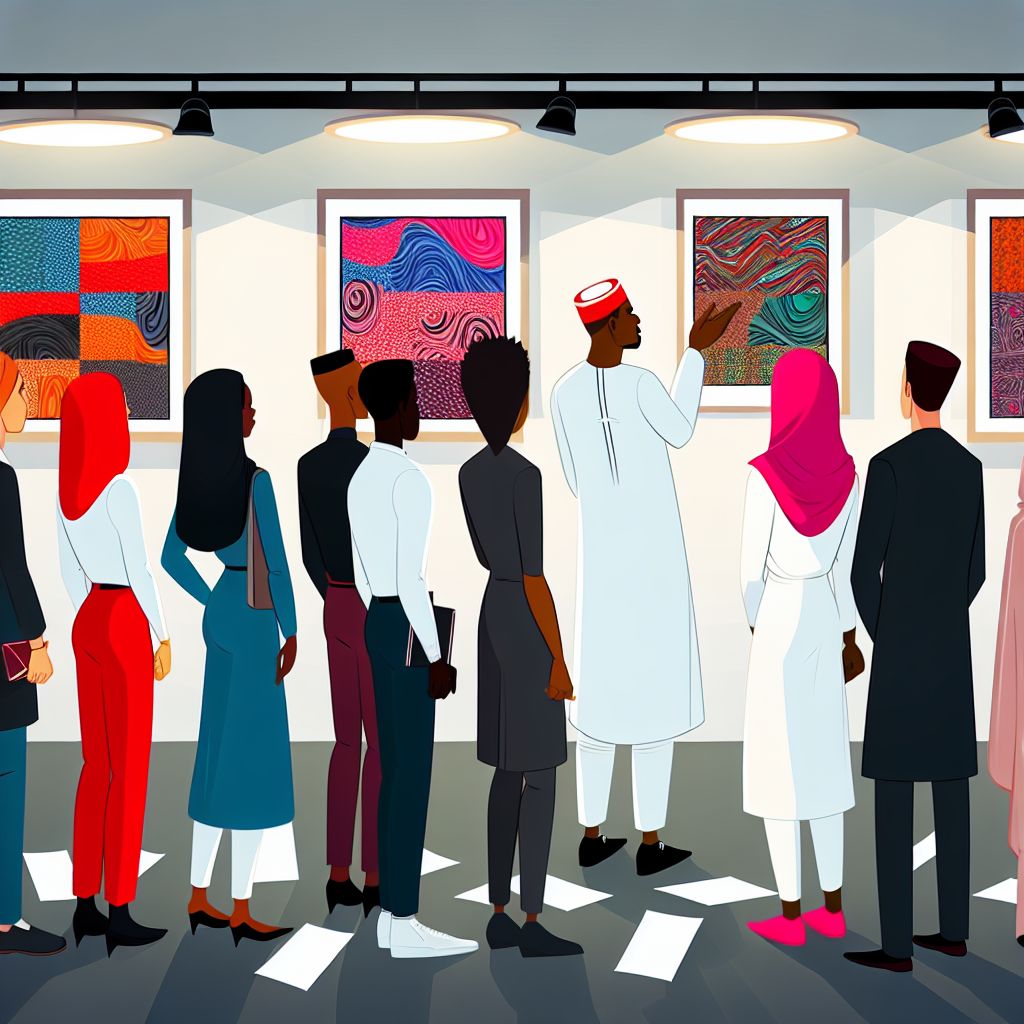
Economic Impact of Nigerian Art Prints on Local Communities and Artists
Empowering Local Artists
Nigerian art prints provide local artists with a reliable source of income.
For example, renowned artist Emeka Adu has expanded his distribution through print sales.
Moreover, prints allow artists to reach wider audiences beyond traditional galleries.
This accessibility leads to improved financial stability for many creators.
Consequently, artists can invest more in their craft and innovation.
Boosting Local Economies Through Art Markets
Art prints stimulate local economies by attracting buyers and tourists.
In Lagos, art fairs featuring prints by Amara Nwosu have increased visitor spending.
Additionally, galleries selling prints create job opportunities locally.
These jobs include roles in sales, framing, and logistics.
Thus, the demand for Nigerian art prints supports diverse economic activities.
Supporting Cultural Entrepreneurship
Printmaking encourages entrepreneurship among Nigerian creatives.
Entrepreneurs like Ifedayo Asare produce and market prints to global customers.
This business model facilitates sustainable income outside traditional employment.
Furthermore, it fosters innovation in marketing and digital sales platforms.
Hence, Nigerian art prints inspire new ventures that revitalize cultural industries.
Enhancing Community Development Through Art Revenue
Revenue from art prints often funds community projects and educational programs.
For instance, proceeds helped establish the Eko Art Initiative for youth training.
These efforts create skills development and encourage cultural preservation.
In turn, communities experience enhanced social cohesion and pride.
Therefore, economic gains from art prints positively affect both individuals and groups.
Diversifying Income Streams for Artists
Artists benefit from prints as an additional income aside from originals.
Explore Stunning African Digital Art Prints!
Bring the beauty of Nigeria and Africa into your space with high-quality HD digital prints. Browse our collection on Instagram, find what speaks to you, and own a masterpiece today! See something you love? Send us a message on Instagram!
View Collection on InstagramThis diversification reduces financial risks in fluctuating art markets.
Print editions by Oladipo Ayodele, for example, sell continuously worldwide.
Collectors appreciate affordable pricing paired with cultural significance.
Ultimately, this balance sustains artists while promoting Nigerian heritage globally.
The Role of Nigerian Art Prints in Promoting Cultural Pride and Unity
Celebrating Cultural Heritage Through Visual Art
Nigerian art prints vividly capture the rich traditions of diverse ethnic groups.
They depict stories, symbols, and motifs that resonate with communities nationwide.
Moreover, these prints serve as visual reminders of the country’s deep cultural roots.
Artists like Chinedu Okoro and Amina Yusuf creatively preserve historical narratives.
Therefore, their work sparks pride among Nigerians at home and abroad.
Strengthening National Identity and Social Cohesion
Art prints encourage a shared sense of identity across Nigeria’s many cultures.
They foster unity by highlighting common values and collective experiences.
For example, prints featuring traditional festivals emphasize community togetherness.
In addition, galleries such as the Lagos Cultural Center promote these artworks widely.
This exposure helps bridge ethnic and social divides effectively.
Empowering Contemporary Artists and Communities
Contemporary Nigerian artists leverage prints to voice social and political ideas.
Prints by creatives like Ifeanyi Adetayo engage people in cultural conversations.
Furthermore, local workshops enable emerging artists to master printmaking techniques.
These efforts contribute to economic empowerment in artistic communities.
Consequently, they encourage cultural pride alongside sustainable livelihoods.
Promoting Nigerian Art Prints Globally
Nigerian art prints have attracted international attention for their uniqueness.
Exhibitions in cities such as New York and Paris display these vibrant works.
This global exposure elevates Nigeria’s cultural stature worldwide.
Art dealers like Folake Ajayi actively support and market local artists abroad.
Hence, Nigerian prints become ambassadors of culture and unity internationally.
Common Themes Expressed in Nigerian Art Prints
-
Unity and harmony across diverse ethnic groups.
-
Respect for ancestors and traditional wisdom.
-
Resilience and hope amid social challenges.
-
Celebrations of festivals, attire, and indigenous crafts.
-
Expressions of national pride and cultural continuity.
Integration of Traditional Techniques with Modern Art Practices in Nigerian Prints
Preserving Heritage Through Artistic Methods
Nigerian artists actively incorporate traditional techniques to preserve cultural heritage.
They use methods such as block printing and adire dyeing to maintain historical connections.
Moreover, these techniques reflect decades of indigenous knowledge and craftsmanship.
Thus, artists honor ancestral wisdom while presenting their work to contemporary audiences.
Adapting Traditional Styles to Contemporary Themes
Artists like Emeka Nwachukwu blend traditional motifs with modern themes seamlessly.
They apply age-old patterns within new contexts to express current social narratives.
Explore Stunning African Digital Art Prints!
Bring the beauty of Nigeria and Africa into your space with high-quality HD digital prints. Browse our collection on Instagram, find what speaks to you, and own a masterpiece today! See something you love? Send us a message on Instagram!
View Collection on InstagramConsequently, these prints engage younger generations in cultural dialogue.
By evolving styles, they keep Nigerian traditions relevant and meaningful.
Use of Modern Tools to Enhance Traditional Prints
Contemporary Nigerian printmakers utilize digital tools to complement manual techniques.
They combine screen printing with digital design to achieve intricate effects.
This hybrid approach improves production efficiency and artistic precision.
Additionally, it expands creative possibilities while retaining cultural authenticity.
Collaborations Between Traditional Craftsmen and Modern Artists
Collaboration plays a key role in merging old and new artistic methods.
Craftsmen skilled in indigenous printing often partner with contemporary visual artists.
These partnerships foster innovation rooted in cultural foundations.
As a result, the work reflects both technological advances and historical significance.
Strengthening Nigerian Cultural Identity Through Art
Integrating tradition and modernity reinforces a unique Nigerian cultural identity.
Prints become a visual language connecting past values to present realities.
This fusion empowers communities to celebrate heritage while embracing progress.
Nigerian art prints serve as vibrant symbols of cultural continuity and transformation.
Global Recognition and Influence of Nigerian Art Prints on Cultural Identity
Emergence of Nigerian Art Prints on the World Stage
Nigerian art prints have gained significant recognition in international art circles.
They showcase the richness and diversity of Nigeria’s cultural heritage.
Artists like Chijioke Okafor have displayed their prints in renowned galleries across Europe and America.
This exposure has helped highlight Nigeria’s unique artistic narratives.
Promotion of Cultural Identity through Visual Storytelling
Nigerian art prints often depict traditional folklore, historical events, and everyday life.
They serve as visual documents preserving cultural stories for future generations.
Adebola Akinwale’s prints explore Yoruba mythology with modern techniques.
These artworks encourage pride among Nigerians in their heritage and traditions.
Influence on Global Perceptions of African Art
Nigerian prints challenge stereotypes about African art by presenting contemporary expressions.
They prove that African artists actively contribute to global artistic dialogues.
Art dealers like Lumina Arts Nigeria collaborate with overseas partners to promote these works.
Thus, Nigerian art prints reshape how audiences worldwide appreciate African creativity.
Evolving Collaborative Opportunities and Market Growth
International interest has increased demand for Nigerian art prints.
Many Nigerian artists participate in global art fairs and exhibitions.
Organizations such as the Lagos Printmakers Collective facilitate cross-cultural partnerships.
These efforts help sustain the artists economically and culturally.
Explore Stunning African Digital Art Prints!
Bring the beauty of Nigeria and Africa into your space with high-quality HD digital prints. Browse our collection on Instagram, find what speaks to you, and own a masterpiece today! See something you love? Send us a message on Instagram!
View Collection on InstagramSignificance of Nigerian Art Prints in Diaspora Communities
Nigerian art prints resonate strongly with the Nigerian diaspora worldwide.
They offer a vital connection to homeland culture and collective identity.
Diaspora galleries in cities like London and Toronto regularly showcase Nigerian prints.
This support amplifies the cultural significance and reach of Nigerian artistry abroad.
Additional Resources
#71 “African Fabrics”: The History of Dutch Wax Prints–Guest Blog …
Printmaking and Cultural Imagination in Contemporary Nigerian Art