
Historical Evolution of Nigerian Art and Its Influence on National Identity
Origins and Early Traditions
Nigerian art traces its roots to ancient civilizations in the region.
For centuries, indigenous communities expressed their culture through artistic forms.
Artifacts from the Nok culture exemplify early Nigerian sculpture and pottery.
These early works laid the foundation for a rich artistic heritage.
Consequently, traditional art served as a vital form of communication and storytelling.
Art During Pre-Colonial and Colonial Periods
Pre-colonial Nigerian societies developed diverse art styles reflecting ethnic identities.
The Benin Empire produced intricate bronze plaques symbolizing political power.
Similarly, Yoruba artists created elaborate wooden carvings for religious and ceremonial use.
However, colonial rule introduced new challenges to traditional art forms.
Colonial authorities often suppressed indigenous practices and imposed Western aesthetics.
Nevertheless, Nigerian artists continued to preserve cultural motifs through secret and public works.
Post-Independence Artistic Renaissance
Following independence in 1960, Nigerian art experienced a vibrant resurgence.
Artists embraced both tradition and modernity to express national identity.
Notable figures like Ben Enwonwu and Yusuf Grillo gained international acclaim.
Their works celebrated Nigerian history, spirituality, and social realities.
Moreover, art became a tool for fostering unity amidst ethnic diversity.
Contemporary Nigerian Art and National Identity
Contemporary artists fuse traditional elements with global influences.
Emerging creators such as Peju Alatise challenge social and political narratives.
Art galleries in Lagos and Abuja now showcase vibrant national expressions.
Additionally, festivals and art markets promote Nigerian culture worldwide.
Thus, Nigerian art continues to shape and reflect the country’s evolving identity.
Key Influences of Nigerian Art on National Identity
- Preservation of cultural heritage through visual storytelling and symbolism.
- Promotion of ethnic pride and inter-ethnic understanding.
- Representation of historical and political experiences.
- Inspiration for unity by highlighting shared values and traditions.
- International recognition that strengthens Nigeria’s global cultural presence.
The Role of Traditional Art Forms in Preserving Cultural Heritage and Identity
Significance of Traditional Art in Nigerian Culture
Traditional art forms serve as vital links to Nigeria’s rich cultural past.
They embody customs, beliefs, and values passed through generations.
Furthermore, these art forms showcase the diversity of Nigeria’s many ethnic groups.
Through symbols and motifs, they communicate shared histories and identities.
Therefore, traditional art acts as a living record of cultural heritage.
Different Forms of Traditional Nigerian Art
Nigeria’s traditional arts include textiles, sculpture, pottery, and beadwork.
For example, the Nok terracotta sculptures display ancient craftsmanship.
The Yoruba’s intricate adire textile design represents spiritual and social meanings.
In addition, the Igbo uli body and wall paintings hold symbolic significance.
Explore Stunning African Digital Art Prints!
Bring the beauty of Nigeria and Africa into your space with high-quality HD digital prints. Browse our collection on Instagram, find what speaks to you, and own a masterpiece today! See something you love? Send us a message on Instagram!
View Collection on InstagramThese forms collectively strengthen cultural awareness and pride.
Role in Maintaining Social Cohesion
Traditional art often plays a central role in ceremonies and festivals.
It unites communities by promoting shared customs and values.
Moreover, it provides opportunities for intergenerational learning and respect.
Consequently, traditional art nurtures a strong sense of belonging and identity.
Efforts to Preserve and Revitalize Traditional Art
Many Nigerian artists and scholars actively work to preserve these art forms.
Institutions like the National Museum Lagos exhibit and protect cultural artifacts.
Additionally, artisans teach techniques to younger generations across communities.
Art festivals and cultural fairs also encourage renewed interest and appreciation.
- Workshops on traditional weaving and dyeing techniques
- Exhibitions highlighting indigenous sculptural art
- Collaborations between elder artisans and contemporary artists
These initiatives strengthen cultural continuity in a rapidly changing world.
Impact on National Identity
Traditional art shapes perceptions of what it means to be Nigerian.
It fosters unity despite Nigeria’s ethnic and linguistic diversity.
Consequently, this art helps define a collective national identity rooted in heritage.
Through it, Nigerians celebrate their past while shaping their future.
Impact of Nigerian Visual Arts on Fostering Unity Among Diverse Ethnic Groups
Visual Arts as a Shared Cultural Language
Nigerian visual arts communicate themes that resonate across various ethnic lines.
These forms break cultural barriers by presenting common values and history.
For example, the artwork of Olufunke Adewale reflects traditions that unite Yoruba and Igbo people.
Therefore, visual arts provide a medium for mutual understanding and respect.
Promotion of National Symbols through Art
Artists integrate national symbols into their works to evoke collective pride.
Symbols such as the Nigerian flag and traditional motifs appear frequently in paintings and sculptures.
Consequently, this fosters a sense of belonging that surpasses ethnic identities.
Art exhibitions often highlight these symbols to attract diverse audiences.
Collaborative Artistic Projects Embracing Diversity
Many Nigerian artists collaborate across ethnic boundaries to create joint works.
These projects emphasize shared experiences and the richness of cultural diversity.
For instance, the Lagos Arts Collective incorporates styles from Hausa, Yoruba, and Ijaw traditions.
Such collaborations promote unity by celebrating the nation’s multifaceted heritage.
Role of Traditional and Contemporary Art Forms
Traditional art forms preserve ancestral stories that inspire harmony among groups.
Meanwhile, contemporary artists reinterpret these stories to connect with younger generations.
This blend supports both cultural continuity and modern identity.
Additionally, festivals showcasing traditional crafts attract visitors from multiple ethnicities.
Explore Stunning African Digital Art Prints!
Bring the beauty of Nigeria and Africa into your space with high-quality HD digital prints. Browse our collection on Instagram, find what speaks to you, and own a masterpiece today! See something you love? Send us a message on Instagram!
View Collection on InstagramArt as a Tool Against Ethnic Division
Nigerian artists create works addressing challenges like ethnic conflict and misunderstanding.
Such artworks encourage dialogue and emphasize unity over division.
For example, multimedia artist Ngozi Okoro uses art installations to highlight peace-building messages.
Therefore, art becomes an active agent for social cohesion and reconciliation.
Government and Institutional Support
The Nigerian government sponsors art programs to promote national unity.
Institutions such as the National Gallery of Modern Arts organize events showcasing interethnic artistic expressions.
Moreover, scholarships fund young artists from diverse backgrounds to learn and collaborate.
This institutional encouragement strengthens the role of art in uniting ethnic communities.
Community-Based Art Initiatives
Local art projects engage villages and towns to celebrate shared cultural heritage.
Workshops and mural painting often bring people together regardless of ethnic affiliation.
Organizations like Unity Arts Foundation facilitate these grassroots programs across Nigeria.
Hence, art serves as a practical platform for community bonding and cultural exchange.
Find Out More: The Influence of Nigerian Calligraphy on Modern Art Prints
Influence of Colonialism and Post-Colonial Art Movements on National Consciousness
Impact of Colonialism on Nigerian Art
Colonialism significantly altered Nigeria’s artistic landscape.
European powers introduced new materials and artistic techniques.
However, colonial rule often suppressed indigenous art forms and traditions.
Colonial authorities promoted art styles that reflected European aesthetics.
Consequently, many Nigerian artists struggled to preserve their cultural identities.
Despite this, local artists found ways to subtly express resistance through their works.
This period created a complex dialogue between indigenous and colonial art influences.
Emergence of Post-Colonial Art Movements
Nigeria’s independence sparked a renaissance in artistic expression.
Artists actively sought to reclaim and celebrate African heritage.
The post-colonial era encouraged exploration of traditional themes with new perspectives.
Movements like Nsukka School revived indigenous techniques such as uli art.
Artists like Obiora Udechukwu and Chike Aniakor became prominent figures.
Integrating local mythology and social realities strengthened national identity.
Art became a powerful tool for political commentary and cultural pride.
Role in Shaping National Consciousness
Nigerian art fostered unity amid ethnic and cultural diversity.
It provided a shared platform to explore collective experiences and history.
Artists highlighted social inequalities and historical injustices through visual language.
Explore Stunning African Digital Art Prints!
Bring the beauty of Nigeria and Africa into your space with high-quality HD digital prints. Browse our collection on Instagram, find what speaks to you, and own a masterpiece today! See something you love? Send us a message on Instagram!
View Collection on InstagramConsequently, art helped Nigerians engage with their past and imagine their future.
Government and cultural institutions increasingly supported art as a unifying force.
Festivals like the Abuja National Art Festival showcased diverse artistic talents.
Ultimately, Nigerian art played a central role in constructing a cohesive national identity.
Gain More Insights: The Influence of African Masks on Nigerian Art Print Designs
Contemporary Nigerian Artists and Their Contributions to National Identity
Influence of Modern Nigerian Art Movements
Contemporary Nigerian art reflects the country’s rich cultural diversity.
Moreover, it plays a critical role in expressing national identity.
Artists draw from traditional themes and combine them with modern techniques.
This fusion creates a unique visual language that resonates both locally and globally.
Consequently, contemporary art serves as a medium for cultural dialogue and unity.
Prominent Artists and Their Impact
Chinedu Okeke is renowned for his vibrant paintings celebrating Igbo heritage.
His works highlight communal values and historical narratives.
Similarly, Amina Yusuf uses sculpture to address social issues affecting Nigerian women.
Her art challenges stereotypes and promotes gender equality.
Furthermore, Tunde Alabi incorporates digital media to explore urban life in Lagos.
His projects capture the dynamic nature of modern Nigerian society.
Role of Galleries and Cultural Institutions
The Terra Kulture Gallery actively promotes emerging Nigerian artists.
It provides platforms for creative expression and cultural exchange.
In addition, the Nike Art Gallery showcases diverse artworks that inspire national pride.
Art festivals such as the Lagos Photo Festival attract international attention to Nigerian creativity.
These institutions foster a sense of identity through artistic collaboration and exposure.
Art as a Tool for Social Change
Contemporary artists address pressing issues like corruption and inequality through their work.
For instance, Obi Eze’s murals depict stories of resilience and hope.
His art motivates communities to engage in social reform.
Moreover, exhibitions often spark conversations on cultural preservation and modernization.
Thus, art becomes an active agent in shaping public consciousness and national unity.
See Related Content: Understanding the Symbolism in Nigerian Woodblock Prints
Use of Nigerian Art in Political Expression and Social Commentary
Art as a Medium for Political Dialogue
Nigerian artists actively use their work to engage in political dialogue.
They reflect on governance issues and societal challenges through visual narratives.
Moreover, artists challenge corruption and advocate for transparency in their art.
Explore Stunning African Digital Art Prints!
Bring the beauty of Nigeria and Africa into your space with high-quality HD digital prints. Browse our collection on Instagram, find what speaks to you, and own a masterpiece today! See something you love? Send us a message on Instagram!
View Collection on InstagramFor example, Adewale Okoro’s paintings vividly criticize political oppression.
Similarly, Chika Obi’s sculptures highlight calls for democratic reforms.
Thus, art becomes a voice for the marginalized and a platform for change.
Addressing Social Issues through Creative Expression
Nigerian art often addresses pressing social issues creatively and powerfully.
Artists depict themes of inequality, poverty, and cultural identity in their work.
For instance, Ifeoma Anozie’s murals spotlight youth empowerment and education.
Furthermore, installations by Tunde Akintola bring awareness to gender-based violence.
These artworks inspire public discourse and community mobilization.
Consequently, art transcends aesthetics and serves a crucial social function.
Integration of Traditional Symbols with Contemporary Critique
Many Nigerian artists combine traditional symbols with modern political commentary.
This fusion bridges the past and present for deeper cultural resonance.
Artists like Amaka Nwosu incorporate indigenous motifs to critique modern societal issues.
Similarly, Emeka Ifeanyi’s mixed media pieces reinterpret folklore to question authority.
As a result, these hybrid artworks foster national identity and dialogue.
Art Exhibitions as Platforms for Social Change
Exhibitions and festivals offer spaces for artists to showcase socio-political works.
Events such as the Lagos Art Festival emphasize activism through creativity.
They provide opportunities for artists like Zainab Suleiman to engage audiences directly.
These platforms encourage collective reflection and community participation.
Ultimately, exhibitions reinforce art’s role in shaping political awareness.
Explore Further: The Cultural Heritage of Nigerian Traditional Art Prints
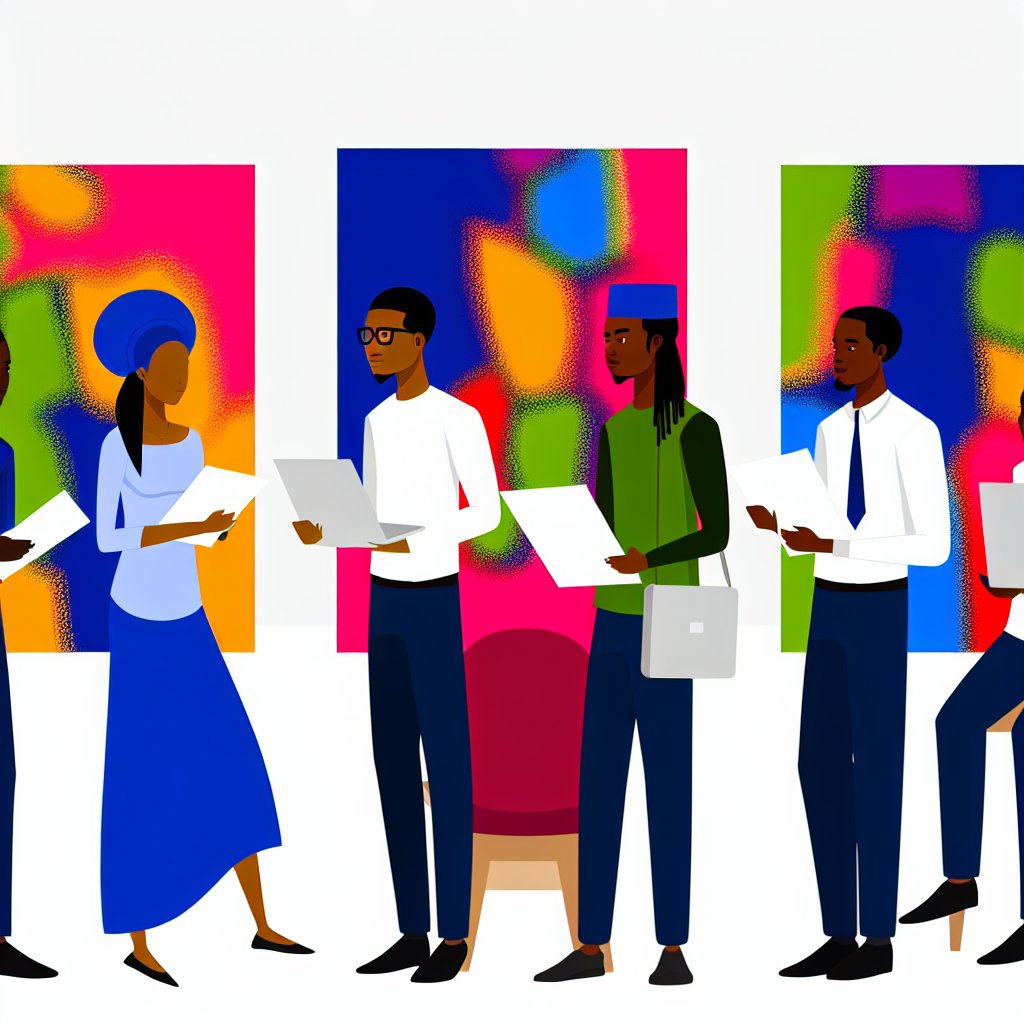
Art festivals and exhibitions as platforms for national identity reinforcement
Celebrating Diversity through Art Festivals
Art festivals in Nigeria showcase the country's rich cultural diversity.
They bring together artists from various ethnic backgrounds nationwide.
Consequently, these events foster mutual understanding among diverse groups.
For example, the Lagos Art Festival highlights both traditional and contemporary Nigerian art.
Moreover, it provides a space where local artisans gain national recognition.
Similarly, the Abuja Cultural Carnival celebrates indigenous music, dance, and crafts.
Through these festivals, Nigerians connect with their heritage and national values.
Exhibitions as Spaces for Cultural Dialogue
Art exhibitions offer a controlled setting to reflect on Nigeria's evolving identity.
They enable artists like Amaka Nwosu and Chinedu Eze to express national narratives.
These displays encourage dialogue about common history and social issues.
Explore Stunning African Digital Art Prints!
Bring the beauty of Nigeria and Africa into your space with high-quality HD digital prints. Browse our collection on Instagram, find what speaks to you, and own a masterpiece today! See something you love? Send us a message on Instagram!
View Collection on InstagramFor instance, exhibitions at the National Museum in Lagos frequently explore post-colonial themes.
Furthermore, they allow diasporic Nigerians to engage with homeland culture.
Art galleries also promote cross-generational conversations about identity and progress.
Impact on National Unity and Pride
Festivals and exhibitions strengthen national pride by emphasizing shared experiences.
They unite people despite regional differences and historical tensions.
Participants often leave with a renewed sense of belonging and patriotism.
Additionally, these artistic platforms attract international attention to Nigeria's culture.
This global recognition further bolsters national confidence.
As a result, art events contribute significantly to Nigeria's social cohesion.
Supporting Emerging Artists and Cultural Institutions
Organizers provide opportunities for emerging artists to contribute to identity formation.
Institutions like the Terra Kulture Gallery support new talents and promote cultural education.
They organize workshops and public programs during major exhibitions.
These initiatives help preserve indigenous art forms and inspire innovation.
In turn, artists gain visibility and resources to expand their cultural impact.
Thus, art festivals and exhibitions sustain Nigeria's national narrative continuously.
Role of Nigerian Art in Education and Cultural Diplomacy
Art as a Tool in Nigerian Education
Nigerian art plays a vital role in the educational system across the country.
Schools incorporate traditional crafts and visual arts to connect students with their heritage.
For example, institutions like the Yaba College of Technology emphasize art history and practice.
These programs help students appreciate Nigeria’s rich artistic legacy.
Moreover, art education fosters critical thinking and creative skills in learners.
It also encourages respect for cultural diversity within Nigeria’s numerous ethnic groups.
Integrating art into curricula promotes a sense of national pride among young Nigerians.
Promoting National Unity through Artistic Expression
Art serves as a unifying force across Nigeria’s diverse cultures.
Traditional masks, sculptures, and textiles narrate stories shared by many ethnic communities.
Teachers leverage these shared cultural artifacts to bridge ethnic divides in classrooms.
Thus, artistic expression offers common ground for mutual understanding.
Government initiatives support art festivals that celebrate this unity.
These events bring people together to honor their collective identity.
Cultural Diplomacy and Nigeria’s Artistic Heritage
Nigerian art contributes significantly to the country’s cultural diplomacy efforts.
Embassies and cultural centers showcase Nigerian art to foster international goodwill.
Explore Stunning African Digital Art Prints!
Bring the beauty of Nigeria and Africa into your space with high-quality HD digital prints. Browse our collection on Instagram, find what speaks to you, and own a masterpiece today! See something you love? Send us a message on Instagram!
View Collection on InstagramThe Nigerian Gallery of Modern Art in Lagos often hosts exhibitions attracting foreign diplomats.
Additionally, artists like Chinedu Okafor participate in global art fairs and residencies.
These activities highlight Nigeria’s creativity on the world stage.
Furthermore, cultural festivals abroad introduce international audiences to Nigerian traditions.
Such events strengthen bilateral relations through shared artistic experiences.
Government and Private Sector Support for Cultural Exchange
Both government agencies and private organizations invest in cultural diplomacy programs.
The National Council for Arts and Culture funds artist exchange initiatives worldwide.
Private companies like Terra Art Foundation sponsor international tours for Nigerian artists.
These collaborations promote cross-cultural dialogue through art.
They also generate economic opportunities for creative professionals.
Consequently, Nigerian art advances both cultural and diplomatic interests globally.
Integration of Indigenous Symbols and Motifs in Modern Nigerian Art
Reviving Traditional Elements in Contemporary Works
Nigerian artists actively incorporate indigenous symbols into modern creations.
They draw inspiration from diverse cultural heritages across Nigeria’s ethnic groups.
Moreover, these artists adapt motifs seen in ancient crafts and textiles.
This practice preserves cultural identity while expressing contemporary realities.
Consequently, traditional elements gain new life within current artistic contexts.
Cultural Significance of Indigenous Symbols
Symbols often represent core values such as unity, strength, and spirituality.
For example, Adire patterns convey stories unique to the Yoruba people.
Similarly, Nok sculptures inspire modern artists with their historical depth.
These motifs connect audiences to Nigeria’s rich ancestral past.
Therefore, they serve as powerful tools for national cohesion and pride.
Techniques Used to Blend Old and New
Artists combine traditional carving, weaving, and painting with modern methods.
Digital media and mixed media art also incorporate indigenous designs effortlessly.
For instance, Adeola Ogunleye integrates bronze casting techniques with contemporary themes.
In addition, textile designers modify ancestral patterns for fashion and décor.
This fusion respects heritage while appealing to global art markets.
Examples of Symbolism in Contemporary Nigerian Art
- Chinwe Eze’s paintings feature Igbo uli designs, adapting sacred geometries.
- Kelechi Amadi-Obi uses masks and motifs in photography to invoke identity.
- Folayemi Brown’s sculptures reinterpret Yoruba divination symbols creatively.
These artists demonstrate how indigenous symbols enrich modern narratives.
Influence on National Identity and Global Recognition
Integrating indigenous elements strengthens Nigeria’s unique cultural voice worldwide.
Additionally, it educates younger generations about their heritage through art.
Cultural festivals and exhibitions increasingly showcase this artistic synthesis.
Explore Stunning African Digital Art Prints!
Bring the beauty of Nigeria and Africa into your space with high-quality HD digital prints. Browse our collection on Instagram, find what speaks to you, and own a masterpiece today! See something you love? Send us a message on Instagram!
View Collection on InstagramSuch exposure elevates Nigeria’s status in the international art community.
Ultimately, the fusion of old and new fosters unity and pride throughout the nation.
The Economic Impact of Nigerian Art on National Pride and Identity
Boosting Local Economies through Art Commerce
Nigerian art stimulates local economies by creating jobs for artisans and traders.
Markets in Lagos and Abuja thrive with vibrant art sales and exhibitions.
Artists such as Chinedu Okoro and Amina Yusuf generate income through traditional crafts.
Galleries like Terra Culture and Nike Art Gallery promote cultural commerce.
Nigerian art supports economic growth while fostering national pride simultaneously.
Attracting Tourism and Enhancing Cultural Awareness
Art festivals and cultural events attract both local and international tourists to Nigeria.
The Lagos Art Festival draws visitors eager to explore diverse Nigerian artworks.
This influx of tourists increases spending in hospitality, transportation, and handicraft sectors.
Tourists gain deeper appreciation for Nigeria’s cultural heritage through art.
Tourism linked to art enhances economic benefits and strengthens national identity.
Empowering Communities and Encouraging Cultural Preservation
Art fosters community empowerment by encouraging cultural expression and economic independence.
Artisans in Benin City use traditional bronze casting to sustain livelihoods.
Community-led art cooperatives facilitate skill development and fair trade opportunities.
These initiatives preserve indigenous techniques while promoting economic resilience.
Cultural preservation reinforces national pride and economic stability simultaneously.
Creating International Recognition and Market Expansion
Nigerian artists like Oluwole Adeyemi gain global acclaim, expanding art markets abroad.
International exhibitions and auctions increase demand for authentic Nigerian art pieces.
Exporting art boosts foreign exchange and raises Nigeria’s profile in the global cultural economy.
Artists collaborate with international brands, integrating Nigerian motifs globally.
This recognition affirms Nigeria’s cultural identity and economic potential worldwide.
Key Economic Contributions of Nigerian Art
- Generation of local employment and entrepreneurship opportunities.
- Increased tourism revenue and cultural exchange.
- Preservation and empowerment of artisan communities.
- Expansion of international markets and cultural diplomacy.
Together, these factors make Nigerian art a pivotal force in shaping economic and national identity.
Additional Resources
Clara Etso Ugbodaga-Ngu’s Many Roles in Nigeria’s Modernist Art …
federal ministry of art, culture, tourism, and creative economy …