
Historical Origins and Evolution of Nigerian Calligraphy
Early Beginnings of Nigerian Calligraphy
Nigerian calligraphy originated centuries ago.
It is deeply rooted in indigenous cultures.
Early forms appeared in traditional art and symbolic markings across communities.
For instance, the Nsibidi script in southeastern Nigeria served communicative and ritualistic purposes.
This script combined pictographs and ideographs to convey complex messages.
Moreover, Yoruba and Hausa cultures developed unique calligraphic styles related to storytelling and record-keeping.
Significantly, Islamic influence introduced Arabic calligraphy, especially in northern Nigeria.
Impact of Islamic Calligraphy
Islamic calligraphy entered Nigeria through trans-Saharan trade routes.
It brought new artistic forms and techniques, emphasizing decorative script.
Furthermore, Quranic manuscripts inspired local artists to refine handwriting into art.
Scholars like Malam Abdullahi Usman promoted both religious education and calligraphic mastery.
The blend of Arabic styles with indigenous motifs enriched Nigerian calligraphy tradition.
Colonial Era Transformations
During British colonial rule, Western education influenced calligraphic practices.
Formal schooling introduced Latin scripts alongside native writing systems.
This interaction sparked creative fusion between traditional and Western calligraphy.
Artists began experimenting with new materials such as ink pens and paper.
As a result, Nigerian calligraphy evolved beyond its functional uses into artistic expression.
Modern Developments and Adaptations
In the 20th century, Nigerian calligraphers embraced contemporary styles and tools.
Innovators like Chinedu Okonkwo combined calligraphy with modern graphic design.
Additionally, calligraphy became prominent in urban art and print media.
Digital technology further expanded expressive possibilities for Nigerian calligraphy.
Today, it inspires unique modern art prints recognized globally for their cultural richness.
Key Characteristics of Nigerian Calligraphy
- Use of bold strokes and fluid curves reflecting cultural narratives.
- Incorporation of symbolic patterns and indigenous motifs.
- Harmonious blending of Arabic and Latin script elements.
- Emphasis on storytelling through stylized script forms.
- Vibrant color schemes enhancing visual impact in art prints.
Distinctive Styles and Techniques in Nigerian Calligraphy
Varied Regional Influences
Nigerian calligraphy features unique styles influenced by diverse ethnic cultures.
The Hausa people contribute distinct artistic elements.
The Yoruba people also contribute distinct artistic elements.
The Igbo people add their own artistic elements as well.
Calligraphic works reflect their linguistic and cultural richness.
For example, Hausa calligraphy integrates Arabic script with local motifs.
Meanwhile, Yoruba artists often blend geometric patterns with stylized letterforms.
Igbo calligraphy emphasizes fluid curves and symbolic designs within the scripts.
Explore Stunning African Digital Art Prints!
Bring the beauty of Nigeria and Africa into your space with high-quality HD digital prints. Browse our collection on Instagram, find what speaks to you, and own a masterpiece today! See something you love? Send us a message on Instagram!
View Collection on InstagramTraditional Techniques and Materials
Calligraphers typically use natural brushes made from animal hair or palm fibers.
They apply ink derived from locally sourced dyes and charcoal.
Writing surfaces include leather, cloth, and handmade paper.
This combination of tools allows for varied stroke textures and ink absorbency.
Artists carefully control brush pressure to create dynamic lines and contrasts.
Stylistic Characteristics
Nigerian calligraphy often incorporates rhythmic repetition and symmetry.
Artists emphasize bold strokes juxtaposed with delicate embellishments.
Such contrasts enhance visual interest and convey cultural narratives.
Additionally, calligraphy sometimes merges written language with symbolic imagery.
This fusion transforms text into visual storytelling.
Innovations in Contemporary Nigerian Calligraphy
Modern Nigerian calligraphers experiment by combining traditional styles with digital tools.
They incorporate vibrant color palettes that break from classical monochrome schemes.
Consequently, this evolution broadens calligraphy’s appeal in modern art prints.
Some artists collaborate with graphic designers to create hybrid works.
These efforts preserve heritage while embracing innovation and global trends.
Cultural Significance of Calligraphy in Nigerian Society
Historical Roots of Nigerian Calligraphy
Nigerian calligraphy traces back to ancient traditions and early written forms.
It reflects diverse ethnic groups such as the Hausa, Yoruba, and Edo peoples.
Calligraphy served as a means to record history, proverbs, and spiritual beliefs.
Moreover, it played an essential role in oral storytelling and cultural preservation.
Calligraphy as a Form of Identity and Expression
Calligraphy conveys personal and communal identity across Nigerian communities.
It expresses cultural values through stylized scripts and symbolic shapes.
Artists use calligraphy to celebrate language and heritage artistically.
Therefore, it fosters pride and continuity among generations.
Social Roles and Ceremonial Uses
Calligraphy decorates important texts like religious scriptures and royal decrees.
It features prominently in wedding invitations and festival announcements.
Community leaders commission calligraphic art to mark significant events.
Consequently, calligraphy strengthens social bonds and shared traditions.
Modern Adaptations and Cultural Revival
Contemporary Nigerian artists blend traditional calligraphy with modern design.
They employ calligraphy in digital media, fashion, and public installations.
Institutions such as the Lagos Art Collective promote calligraphic heritage actively.
Explore Stunning African Digital Art Prints!
Bring the beauty of Nigeria and Africa into your space with high-quality HD digital prints. Browse our collection on Instagram, find what speaks to you, and own a masterpiece today! See something you love? Send us a message on Instagram!
View Collection on InstagramAs a result, calligraphy remains a vibrant cultural form that evolves continuously.
Delve into the Subject: The Influence of African Masks on Nigerian Art Print Designs
Integration of Traditional Calligraphic Elements into Modern Art Prints
Reviving Cultural Heritage through Calligraphy
Nigerian calligraphy inspires many modern artists in their printmaking processes.
They incorporate intricate strokes and fluid lines from traditional scripts.
This approach preserves cultural heritage while expanding artistic expression.
For example, artist Ngozi Ekwueme blends Nsibidi symbols with contemporary designs.
As a result, her prints express both historical identity and modern aesthetics.
Techniques Used to Merge Calligraphy with Printmaking
Artists apply hand-drawn calligraphic motifs to digital print templates.
Moreover, they use layering techniques to achieve depth and texture.
Calligraphic brushstrokes are often digitized to maintain authenticity.
Studio Alkali Prints, led by Ifeanyi Obinna, utilizes screen printing combined with calligraphy.
This fusion produces vibrant prints that honor traditional forms.
Symbolism and Meaning in Modern Prints
Traditional calligraphic symbols convey stories and values in artworks.
Printmakers embed these motifs to connect modern audiences to ancestral wisdom.
For instance, Ezinne Okafor’s prints feature Adinkra-inspired calligraphy highlighting community.
These elements evoke spiritual and social themes deeply rooted in Nigerian culture.
Consequently, the prints resonate emotionally and intellectually with viewers.
Influence on Contemporary Nigerian Art Market
The integration attracts collectors interested in culturally rich, meaningful art.
Gallery Omolara in Lagos showcases numerous prints combining calligraphy and modern art.
They report increased demand for pieces that innovatively reflect Nigerian identity.
Furthermore, this trend helps young artists gain international recognition.
The fusion of old and new creates a dynamic contemporary art movement in Nigeria.
Gain More Insights: Understanding the Symbolism in Nigerian Woodblock Prints
Influence of Indigenous Nigerian Scripts and Symbolic Motifs on Contemporary Designs
Roots of Nigerian Calligraphy in Art
Nigerian indigenous scripts significantly inspire modern art prints today.
Artists often draw from traditional writing systems like Nsibidi and Ajami.
These scripts carry deep cultural and historical meanings.
Moreover, they serve as visual languages that communicate stories and beliefs.
Symbolic Motifs Shaping Visual Aesthetics
Symbolic motifs represent key themes such as identity, spirituality, and community.
Designers infuse geometric shapes and abstract symbols into their works.
Consequently, these elements enrich artworks with cultural symbolism and depth.
Explore Stunning African Digital Art Prints!
Bring the beauty of Nigeria and Africa into your space with high-quality HD digital prints. Browse our collection on Instagram, find what speaks to you, and own a masterpiece today! See something you love? Send us a message on Instagram!
View Collection on InstagramFor instance, Adire textile patterns frequently influence print compositions.
Modern Adaptation and Fusion
Contemporary artists merge indigenous calligraphy with global art trends.
They experiment with color, texture, and scale to create fresh expressions.
Furthermore, digital artists recreate these motifs using advanced technologies.
This fusion helps preserve heritage while appealing to modern audiences.
Impact on Branding and Visual Identity
Several creative agencies incorporate Nigerian scripts in brand logos.
Visual firms like Adetola Studios highlight cultural authenticity through calligraphy.
Such designs evoke strong emotional connections with local and international markets.
As a result, Nigerian calligraphy enhances brand storytelling and uniqueness.
Celebrated Artists and Their Contributions
Famous visual artist Amaka Okoro integrates indigenous scripts into printmaking.
Her work emphasizes the relationship between language, art, and identity.
Graphic designer Tunde Balogun uses symbolic motifs in contemporary packaging.
They both inspire emerging talents to embrace cultural motifs creatively.
Preservation of Cultural Heritage through Art
Calligraphy-based prints raise awareness of Nigeria’s rich linguistic traditions.
They encourage dialogue about history, language, and cultural pride.
Art exhibitions by galleries like Lagos Contemporary showcase these influences.
Thus, indigenous scripts continue thriving in the evolving modern art space.
Learn More: The Cultural Heritage of Nigerian Traditional Art Prints
Role of Nigerian Calligraphy in Expressing Identity and Heritage in Art Prints
Expression of Cultural Identity through Calligraphy
Nigerian calligraphy serves as a powerful medium for conveying cultural identity.
It reflects the diverse ethnic backgrounds and languages found across Nigeria.
Artists use calligraphic script to represent traditional proverbs and folklore.
Consequently, this approach reinforces a sense of belonging among viewers and creators.
Moreover, calligraphy helps preserve indigenous visual languages in a modern context.
Preservation of Heritage in Contemporary Art Prints
Calligraphy in Nigerian art prints maintains historical and societal narratives.
Prints often incorporate ancient scripts like Nsibidi and Ajami scripts.
These scripts connect present audiences to Nigeria’s rich literary past.
Therefore, artists like Olumide Eze integrate these scripts to honor their ancestors.
In addition, calligraphy-based prints serve as cultural archives for future generations.
Communicating Social and Political Messages
Nigerian calligraphy allows artists to express social justice themes creatively.
It enables subtle embedding of political commentary through symbolic characters.
Explore Stunning African Digital Art Prints!
Bring the beauty of Nigeria and Africa into your space with high-quality HD digital prints. Browse our collection on Instagram, find what speaks to you, and own a masterpiece today! See something you love? Send us a message on Instagram!
View Collection on InstagramFor example, Amina Bala’s prints highlight women’s rights using calligraphic motifs.
This method promotes discourse while respecting cultural aesthetics.
Thus, calligraphy becomes a tool for activism within art prints.
Fusion of Tradition and Modernity in Artistic Practices
Modern Nigerian artists blend calligraphy with contemporary design techniques.
They experiment with digital tools to reinvent traditional signatures.
Such fusion appeals to global audiences while retaining cultural authenticity.
Artists like Tunde Alabi showcase this blend in their gallery exhibitions.
Consequently, calligraphic art prints bridge past traditions with modern artistic expression.
Enhancement of Nigerian Calligraphy’s Value in the Global Art Market
Nigerian calligraphy enhances the uniqueness of art prints in international markets.
Collectors seek works that reflect authentic African heritage through calligraphy.
Galleries like Lagos Contemporary Arts promote these calligraphy-infused prints worldwide.
This global interest fuels the preservation and innovation of calligraphic styles.
Ultimately, Nigerian calligraphy elevates the cultural value and identity of modern art prints.
Discover More: The Evolution of Digital Art in Nigerian Art Prints
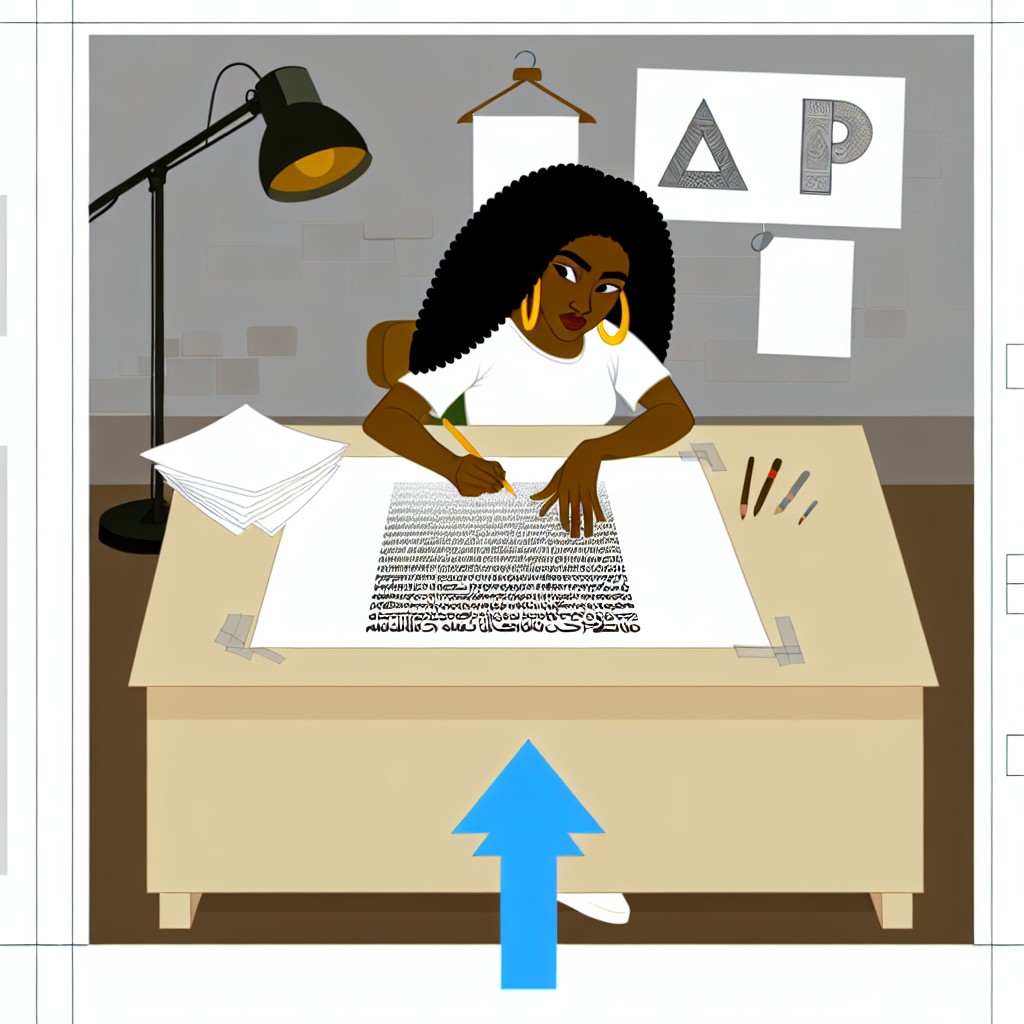
Comparison between Nigerian Calligraphy and Other African Calligraphic Traditions in Modern Art
Distinctive Features of Nigerian Calligraphy
Nigerian calligraphy emphasizes fluid, organic forms inspired by indigenous scripts and symbols.
Artists integrate traditional motifs with contemporary design principles skillfully.
Moreover, the art often employs vibrant colors that represent cultural and spiritual themes.
Lagos-based Kemi Arts Studio actively promotes Nigerian calligraphy in modern printmaking.
It combines heritage with innovation to appeal to global art collectors and enthusiasts.
Overview of Other African Calligraphic Traditions
West African scripts like Nsibidi use pictographic symbols conveying complex ideas silently.
In contrast, North African calligraphy largely derives from Arabic script and Islamic influences.
East African calligraphy often blends Arabic script with indigenous languages and artistic expression.
Various communities emphasize geometric and repetitive patterns to convey meaning visually.
Beyond Nigeria, artist collectives such as the Nubian Ink Collective explore these diverse traditions.
Comparative Analysis in Modern Art Prints
Both Nigerian and other African calligraphic styles inspire vibrant modern art prints globally.
Nigerian calligraphy stands out with its symbolic abstraction and emotional expressiveness.
Alternatively, Arabic-based calligraphy incorporates strict rules but offers graceful visual flow.
Meanwhile, pictographic traditions focus on narrative and cultural storytelling in artwork.
Transitioning from calligraphy to print, artists experiment with mixed media and digital processes.
Impact on Contemporary Artists and Studios
Prominent artists, including Adeola Adebayo, fuse Nigerian calligraphy with pan-African themes.
Explore Stunning African Digital Art Prints!
Bring the beauty of Nigeria and Africa into your space with high-quality HD digital prints. Browse our collection on Instagram, find what speaks to you, and own a masterpiece today! See something you love? Send us a message on Instagram!
View Collection on InstagramStudios like Dakar Design Hub support cross-regional collaboration and cultural exchange projects.
Consequently, calligraphy serves as a bridge connecting African heritage with modern aesthetics.
This ongoing dialogue enriches the global art market with fresh, authentic perspectives.
Impact of Nigerian Calligraphy on the Global Art Print Market
Rising Popularity Among Art Collectors
Nigerian calligraphy captures the essence of rich cultural heritage and modern expression.
It attracts collectors seeking unique and meaningful artwork.
Art buyers from Europe, North America, and Asia increasingly value these prints.
This trend boosts demand and prices in the contemporary art print market.
Galleries such as Lagos’ Obafemi Gallery showcase prominent calligraphy pieces globally.
Integration with Modern Print Techniques
Artists apply traditional Nigerian calligraphy in digital and screen-print methods.
Thus, they create versatile prints suitable for a wide range of consumers.
Notable print studios like Ekun Prints adopt these calligraphic styles in limited edition collections.
As a result, the art prints combine traditional craftsmanship with contemporary innovation.
This fusion appeals to younger collectors and design enthusiasts worldwide.
Influence on Contemporary Artists
Inspiration for Modern Visual Language
Many artists incorporate Nigerian calligraphy to express their cultural identity.
Akinola Balogun explores calligraphic motifs in abstract forms.
Likewise, Temitope Adebayo uses calligraphy to bridge storytelling and visual art.
Moreover, the fluidity and rhythm of Nigerian scripts influence bold brushwork and design.
These elements enrich diverse artistic styles across continents.
Collaborations and Cultural Exchange
Nigerian calligraphers collaborate with international artists on print projects.
For example, the partnership between Chike Obi and Berlin-based artist Sofia Kramer highlights this exchange.
They combine West African calligraphy with European graphic aesthetics.
Such collaborations foster cross-cultural dialogues and innovation.
Additionally, workshops and residencies encourage global artists to learn calligraphic techniques firsthand.
Educational Outreach and Workshops
Institutions like the Ife Contemporary Art Center provide training in Nigerian calligraphy.
These programs nurture the next generation of artists using traditional scripts.
Graduates often integrate calligraphy into diverse media including prints and digital art.
Consequently, the art form remains vibrant and evolves with contemporary trends.
Support from cultural foundations ensures sustainability and broader exposure.
Technological Advancements Facilitating the Fusion of Calligraphy and Digital Art Prints
Innovations in Digital Imaging
Advancements in digital imaging allow artists to capture calligraphy with exceptional detail.
High-resolution scanners preserve the delicate strokes of Nigerian calligraphers.
Explore Stunning African Digital Art Prints!
Bring the beauty of Nigeria and Africa into your space with high-quality HD digital prints. Browse our collection on Instagram, find what speaks to you, and own a masterpiece today! See something you love? Send us a message on Instagram!
View Collection on InstagramConsequently, artists can manipulate traditional calligraphy in digital formats effortlessly.
Software like Adobe Illustrator and CorelDRAW enhance vectorization of calligraphy works.
These tools enable seamless blending of hand-crafted calligraphy with digital art elements.
Software Tools Empowering Creative Expression
Modern design software empowers artists to experiment with Nigerian calligraphy styles.
Programs such as Procreate and Krita replicate brush textures digitally.
Moreover, they support layering, which enriches the final art prints.
Artists like Oluwaseun Adebowale utilize these tools to innovate calligraphy-based prints.
The integration improves precision without losing traditional aesthetics.
Printing Technologies Advancing Art Reproduction
Cutting-edge printing technologies enhance the quality of calligraphy-inspired prints.
Giclée printing offers vibrant colors and fine details in art reproduction.
Furthermore, UV printing increases durability and texture variety on different surfaces.
Companies such as Lagos Print Studio specialize in merging digital calligraphy with print media.
This results in high-quality, lasting products appreciated in modern art markets.
Collaborations Between Calligraphers and Digital Artists
Collaboration drives innovation between traditional calligraphers and digital artists.
For instance, Ifeoma Nwachukwu partners with graphic designer Chukwudi Eze.
Together, they blend authentic calligraphy with dynamic digital backgrounds.
Such teamwork produces unique prints that attract contemporary art enthusiasts.
Additionally, collaborative platforms streamline creative exchange across locations.
Impact of Social Media and Online Platforms
Social media platforms accelerate the sharing of digitally enhanced calligraphy art.
Instagram and Behance showcase vibrant works combining calligraphy and digital prints.
Artists gain exposure and receive feedback from global audiences instantly.
This exposure encourages further experimentation with Nigerian calligraphic motifs.
Consequently, the fusion of tradition and technology reaches a wider art community.
Notable Nigerian Artists Incorporating Calligraphy into Prints
Femi Adeyemi’s Fusion of Tradition and Modernity
Femi Adeyemi skillfully blends traditional Nigerian calligraphy with contemporary printmaking.
His prints portray vivid stories through elegant calligraphic lines.
Moreover, Adeyemi’s work highlights the cultural richness of Yoruba script influences.
He often experiments with layering textures to emphasize calligraphic strokes.
Consequently, his art bridges heritage with modern visual expression.
Amaka Obi’s Innovative Use of Script in Visual Narratives
Amaka Obi integrates Igbo calligraphic elements into abstract print designs.
Her creative approach redefines calligraphy beyond its linguistic origins.
Explore Stunning African Digital Art Prints!
Bring the beauty of Nigeria and Africa into your space with high-quality HD digital prints. Browse our collection on Instagram, find what speaks to you, and own a masterpiece today! See something you love? Send us a message on Instagram!
View Collection on InstagramFurthermore, Obi uses calligraphy to evoke emotional depth in her prints.
Her artwork frequently employs bold color contrasts to highlight textual forms.
Thus, her prints resonate with both cultural identity and contemporary aesthetics.
Kunle Olatunde’s Calligraphy as Conceptual Art
Kunle Olatunde transforms traditional Nigerian scripts into conceptual print art.
He explores the symbolic meanings hidden within calligraphic shapes.
Olatunde’s prints often incorporate fragmented calligraphy to provoke thought.
Additionally, his use of monochrome palettes focuses attention on calligraphic forms.
His work invites viewers to interpret language visually and conceptually.
Influence of Calligraphy Studios and Collectives
Several Nigerian studios promote calligraphy through collaborative prints.
Examples include the Ink & Script Collective based in Lagos.
They nurture emerging artists who incorporate indigenous calligraphic art.
Additionally, these groups organize exhibitions showcasing calligraphy-infused prints.
Therefore, they help expand public appreciation for Nigerian calligraphy in modern art.
Emerging Artists Shaping the Future of Calligraphic Prints
Young artists like Ifeoma Nwosu bring fresh perspectives to calligraphic printmaking.
They merge digital techniques with traditional calligraphy styles.
Furthermore, their innovative methods redefine how calligraphy relates to modern narratives.
Through workshops and social media, they engage wider audiences globally.
As a result, new generations keep Nigerian calligraphic art evolving and relevant.