
Introduction to African Art Prints and Their Cultural Significance
The Essence of African Art Prints
African art prints celebrate vibrant patterns and deep cultural meanings.
They often depict traditional symbols and stories passed down through generations.
Artists use these prints to preserve history and express identity.
Consequently, they offer a visual connection to African heritage.
Symbolism and Stories Behind the Prints
Many African prints tell tales of community, spirituality, and nature.
Each motif carries unique symbolism that varies by region and tribe.
For example, Adinkra symbols from Ghana convey proverbs and life values.
Moreover, colors and patterns communicate social status and beliefs.
The Role of African Art Prints in Contemporary Culture
African art prints have gained global recognition beyond their origins.
Fashion designers incorporate them into modern clothing and accessories.
Thus, they bridge traditional art with contemporary expression.
Artisans and companies like Umoja Fabrics in Nairobi promote these prints worldwide.
In this way, African art prints continue to inspire and educate new audiences.
Overview of Traditional Materials and Tools Used in African Art Printmaking
Natural Materials for Creating Prints
African artists often use locally sourced natural materials in their printmaking process.
They utilize plant-based dyes extracted from roots, leaves, and bark for vibrant colors.
Moreover, clay and earth pigments provide rich, earthy tones in many artworks.
Animal-based materials such as bone, leather, and feathers sometimes feature in mixed-media prints.
In addition, fabric materials like cotton and raffia strips serve as printing surfaces or tools.
Handcrafted Tools Employed in Printmaking
Artists craft traditional tools from wood to carve detailed printing blocks.
They also use calabash gourds hollowed out to hold and apply ink or dye effectively.
Carved stamps with geometric or symbolic patterns help transfer repeated motifs onto fabric.
Additionally, handmade comb-like tools create intricate linear designs through resist printing.
For applying pressure evenly, wooden rollers or simple hand rubbing techniques are common.
Textile and Surface Choices for Prints
Textiles such as bark cloth or woven cotton represent popular choices for print surfaces.
These materials absorb dyes well and hold crisp patterns after printing.
Artists might also print onto leather or paper made from recycled fibers.
Furthermore, choice of surface often reflects cultural significance and intended use.
Cultural Importance of Traditional Techniques
Traditional materials and tools connect modern artists to ancestral heritage profoundly.
They enable the continuation of cultural narratives through visual storytelling.
Consequently, the use of these elements preserves authenticity and artistic identity.
Explore Stunning African Digital Art Prints!
Bring the beauty of Nigeria and Africa into your space with high-quality HD digital prints. Browse our collection on Instagram, find what speaks to you, and own a masterpiece today! See something you love? Send us a message on Instagram!
View Collection on InstagramStep-by-step Process of Designing African Art Prints
Research and Inspiration Gathering
Artists begin by exploring the rich cultural heritage of African art.
They study traditional patterns, symbols, and color palettes specific to regions.
Moreover, they visit art galleries and museums specializing in African artworks.
This research helps artists develop authentic and meaningful designs.
Concept Development and Sketching
Next, artists brainstorm ideas based on their research insights.
They create rough sketches to outline the visual composition of prints.
Additionally, artists experiment with shapes, motifs, and spatial arrangements.
These preliminary sketches ensure a clear vision before finalizing the design.
Digitizing the Design
After sketching, artists digitize their work using graphic design software.
They convert hand-drawn drawings into digital formats for flexibility.
Furthermore, digital tools allow precise adjustment of colors and details.
This stage facilitates easier reproduction and editing of the designs.
Selecting Colors and Textures
Artists carefully choose vibrant colors inspired by African traditions.
They also consider textures that reflect fabrics, carvings, or natural materials.
Color harmony plays a significant role in enhancing visual appeal.
Thus, selecting suitable hues and finishes is essential for authentic prints.
Preparing for Printing
Design files are adjusted to meet print specifications and quality standards.
Artists work closely with print specialists to choose paper type and ink.
They select printing methods such as screen printing or digital printing.
This preparation ensures the artwork maintains its intended look and durability.
Proofing and Quality Control
A sample print is produced for review and necessary corrections.
Artists check colors, clarity, and alignment against the original design.
Any deviations are corrected before final production begins.
Consistent quality control guarantees the finished prints meet artistic standards.
Final Production and Distribution
Once approved, the final prints are produced in the desired quantities.
Prints are carefully packaged to preserve their quality during transport.
They are then distributed to galleries, art shops, or online platforms.
This step connects the artwork with collectors and enthusiasts worldwide.
You Might Also Like: The Influence of Nigerian Art on African Diaspora Art
Techniques Commonly Employed in Creating African Art Prints
Block Printing
Block printing stands out as one of the oldest techniques in African art creation.
Explore Stunning African Digital Art Prints!
Bring the beauty of Nigeria and Africa into your space with high-quality HD digital prints. Browse our collection on Instagram, find what speaks to you, and own a masterpiece today! See something you love? Send us a message on Instagram!
View Collection on InstagramArtists like Amina Kouyate in Senegal carve designs into wooden blocks.
They apply vibrant dyes to these blocks.
Using them, artists imprint patterns on fabric.
This method creates repetitive, bold motifs that celebrate cultural stories.
Moreover, block printing allows for detailed and precise decoration of textiles.
It requires patience and skill, which artisans develop over many years.
Consequently, block-printed fabrics remain highly valued in many West African communities.
Screen Printing
Screen printing offers a more modern approach to African art prints.
Artists such as Kwame Mensah from Ghana use mesh screens to transfer images onto fabric.
This method permits multiple colors and complex designs to appear vividly.
First, the artist creates a stencil that blocks certain areas of the screen.
Next, they press ink through the mesh onto the fabric beneath it.
Screen printing works well for both single and batch productions.
Therefore, it has become popular among contemporary printmakers across Africa.
Batik Printing
Batik printing involves using wax to create patterns on cloth before dyeing.
Artisans like Fatouma Diallo in Mali carefully apply hot wax where they want to resist dye.
After dyeing, the wax is removed, revealing unique multicolored designs underneath.
This wax-resist method allows for striking contrasts and intricate artwork.
Additionally, batik frequently reflects symbolic shapes representing cultural heritage.
Artists often combine batik with other techniques for more dimensional art pieces.
Adinkra Printing
Adinkra printing originates from Ghana and involves stamping symbolic motifs.
Skilled craftsmen like Kojo Owusu hand-carve symbols onto calabash or wooden stamps.
They then dip these stamps into natural dye made from tree bark.
Subsequently, they press the stamps onto cloth to create meaningful designs.
These motifs often embody proverbs, historical events, or philosophical concepts.
This technique connects art to storytelling and African traditions deeply.
Diverse Techniques and Materials in African Printmaking
Besides printing, many artists incorporate hand-painting into their processes.
Notable painters such as Zuri Mbatha enrich prints with brush strokes and textures.
They combine textiles with beads, embroidery, or metallic threads for added effect.
Furthermore, some use natural dyes derived from plants, minerals, and roots.
Explore Stunning African Digital Art Prints!
Bring the beauty of Nigeria and Africa into your space with high-quality HD digital prints. Browse our collection on Instagram, find what speaks to you, and own a masterpiece today! See something you love? Send us a message on Instagram!
View Collection on InstagramThese organic colors contribute to the authenticity and sustainability of the prints.
Consequently, each artwork carries layered significance and artistic craftsmanship.
Learn More: How Nigerian Art Prints Are Used in Therapy and Healing
Role of Symbolism and Motifs in African Art Prints
Importance of Symbolism in African Art
African art prints carry deep symbolic meanings rooted in culture and history.
Symbols in these artworks convey messages beyond their visual appeal.
They often represent values, beliefs, and social norms of communities.
Moreover, symbolism connects viewers to ancestral traditions and storytelling.
Therefore, understanding symbolism is key to appreciating African art prints fully.
Common Motifs and Their Meanings
Motifs in African art prints frequently draw from nature, spirituality, and daily life.
Geometric shapes can signify harmony, balance, or cosmic order.
Animal representations often denote strength, wisdom, or protection.
Furthermore, human figures reflect community, identity, or rites of passage.
Colors also play a symbolic role, with each hue carrying unique meanings.
How Artists Integrate Symbolism and Motifs
Artists thoughtfully incorporate symbols to tell stories or communicate ideas.
They combine traditional motifs with modern techniques to create fresh expressions.
For example, Amina Diallo blends Adinkra symbols with contemporary print styles.
This fusion appeals to both local and global audiences.
Consequently, the prints serve as cultural bridges and conversation starters.
Preserving Cultural Heritage through Art Prints
Art prints preserve historic and cultural knowledge for future generations.
They act as visual archives reflecting community values and historical events.
In addition, artists like Kwesi Agyeman use prints to revive endangered symbols.
This effort helps sustain cultural identity amid rapid modernization.
Thus, symbolism in African art prints plays a crucial role in heritage conservation.
Find Out More: The Role of Women in Nigerian Art and Art Prints
Incorporating Historical and Cultural Narratives into Print Designs
Significance of History and Culture in African Art
African art prints deeply reflect the continent’s rich history and diverse cultures.
Artists often draw from ancestral stories and traditional beliefs.
These narratives connect communities with their heritage and identity.
Furthermore, they preserve important values through visual storytelling.
Therefore, prints become more than decoration; they carry meaning and memory.
Researching Historical and Cultural Elements
Successful print designers begin with extensive research on local histories.
Explore Stunning African Digital Art Prints!
Bring the beauty of Nigeria and Africa into your space with high-quality HD digital prints. Browse our collection on Instagram, find what speaks to you, and own a masterpiece today! See something you love? Send us a message on Instagram!
View Collection on InstagramThey consult elders, historians, and cultural practitioners to gather authentic insights.
Additionally, they study symbolism in textiles, pottery, and rituals for inspiration.
This research guides the choice of motifs, colors, and patterns used in designs.
Consequently, the prints resonate with both tradition and contemporary expression.
Translating Narrative into Visual Language
Designers transform stories into shapes, symbols, and colors that convey meaning.
They use recurring motifs such as Adinkra symbols or Ndebele patterns thoughtfully.
Moreover, color palettes often reflect cultural significance, like the use of earth tones.
Artists also incorporate geometric forms to represent community structures and social themes.
Through these choices, prints communicate layered stories effectively and engagingly.
Collaboration with Cultural Custodians
Print makers frequently collaborate with cultural custodians to ensure authenticity.
They seek approval from community leaders before finalizing designs.
This practice honors the source culture and fosters respect for traditions.
Such partnerships enrich the artwork with firsthand cultural knowledge.
Ultimately, this collaboration strengthens the cultural impact of the prints.
Modern Interpretations and Innovation
Contemporary artists blend traditional narratives with modern artistic techniques.
This fusion creates fresh perspectives while honoring ancestral roots.
Digital printing and mixed media help to expand creative possibilities.
Additionally, innovative designs appeal to global audiences without losing cultural essence.
Therefore, the art print remains dynamic and relevant across generations.
You Might Also Like: The Business of Selling Nigerian Art Prints Ethically
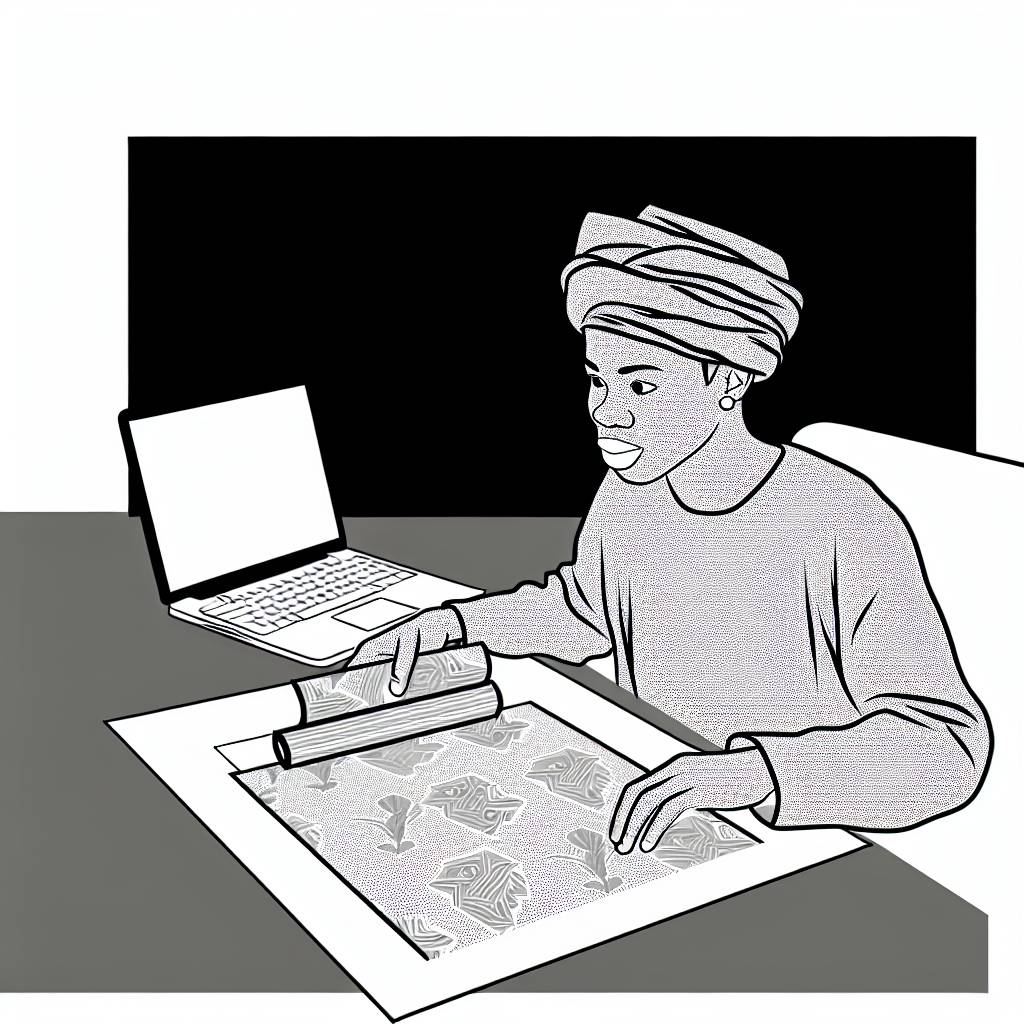
Modern Adaptations and Innovations in African Art Printmaking
Incorporating Contemporary Techniques
Artists across Africa actively integrate modern printing methods alongside traditional techniques.
For example, digital printing has enhanced the precision and detail of many artworks.
Furthermore, screen printing enables vibrant color layers with faster production times.
Additionally, techniques such as lithography and etching are gaining popularity among younger artists.
These adaptations allow creators like Amina Diallo to experiment while preserving cultural motifs.
Use of New Materials and Tools
Printmakers now explore synthetic inks and eco-friendly pigments to ensure durability.
Moreover, advanced fabrics and papers support higher-resolution and more durable prints.
For instance, artists like Kofi Mensah utilize biodegradable inks to promote sustainability.
They also employ laser-cut stencils and computer-aided design tools for intricate patterns.
Consequently, these innovations broaden the artistic possibilities within the printmaking process.
Explore Stunning African Digital Art Prints!
Bring the beauty of Nigeria and Africa into your space with high-quality HD digital prints. Browse our collection on Instagram, find what speaks to you, and own a masterpiece today! See something you love? Send us a message on Instagram!
View Collection on InstagramCollaborations and Cross-Cultural Influences
Many African print artists collaborate with international studios to merge diverse styles.
These partnerships encourage exchange of ideas and techniques between continents.
For example, the Nairobi Print Project connects African and European printmakers worldwide.
Similarly, artists such as Zola Nkosi incorporate both indigenous and modern aesthetics.
This fusion results in dynamic artworks that appeal to global audiences.
Technology’s Role in Expanding Reach
Online platforms now enable artists to showcase their prints beyond local markets.
Social media and e-commerce sites help artisans like Thandiwe Baloyi promote their work efficiently.
Digital portfolios simplify client commissions and allow print customization requests.
Additionally, virtual galleries facilitate exhibits without geographical limitations.
Thus, technology empowers printmakers to sustain livelihoods and grow their brands internationally.
Emerging Innovations Shaping the Future of African Prints
Emerging trends include augmented reality elements integrated within print art.
Artists use this technology to add interactive narratives to traditional motifs.
For instance, the studio Umoja Prints experiments with AR to engage younger audiences.
Moreover, sustainable production practices gain traction for environmental responsibility.
Innovation continues to redefine the boundaries of African art printmaking.
Challenges Faced by Artists in Producing Authentic African Art Prints
Preserving Traditional Techniques
African artists strive to preserve traditional techniques in their art prints.
Passing down these skills remains difficult due to fewer apprenticeships.
Limited access to traditional materials hampers authentic creations.
Artists often seek alternative materials that may alter original textures.
This struggle affects the authenticity of the final art prints noticeably.
Balancing Commercial Demands with Cultural Integrity
Artists face pressure to cater to commercial markets while maintaining cultural integrity.
Mass production demands often force artists to simplify complex designs.
Some clients expect quick turnaround times, conflicting with careful craftsmanship.
Many artists like Amina Okoro insist on upholding authentic representation.
They educate buyers on the significance of cultural symbols embedded in their work.
Dealing with Imitations and Copyright Issues
Imitation of African art prints by unauthorized producers challenges original artists.
This issue reduces the market value of authentic creations from artisans.
Lack of enforceable copyright laws in some regions complicates protection.
Artists like Kwame Duku actively campaign for stronger intellectual property rights.
They collaborate with organizations to promote awareness and legal support.
Explore Stunning African Digital Art Prints!
Bring the beauty of Nigeria and Africa into your space with high-quality HD digital prints. Browse our collection on Instagram, find what speaks to you, and own a masterpiece today! See something you love? Send us a message on Instagram!
View Collection on InstagramAccess to Quality Printing Facilities
Reliable printing facilities suitable for high-quality African art prints remain scarce.
Many artists travel long distances to access professional equipment for reproduction.
Costs associated with premium printing services can be prohibitive.
Some artists invest in learning manual printmaking techniques to overcome challenges.
This dedication helps maintain uniqueness despite technological limitations.
Maintaining Cultural Authenticity in a Global Market
The global market demands often dilute cultural authenticity in African art prints.
Artists must negotiate between modern trends and traditional symbolism carefully.
Globalization sometimes leads to cultural elements being misinterpreted or misused.
Artists like Thandiwe Ndlovu engage in cultural education alongside their art sales.
This dual effort fosters appreciation and respect for African heritage worldwide.
The Influence of Community and Collaboration in the Printmaking Process
Community as a Foundation for Creativity
African art prints often emerge from vibrant community settings.
These communities share rich cultural narratives and histories.
Artists like Kwesi Ababio gather insights from local elders and storytellers.
Moreover, communal traditions deeply inform artistic themes and techniques.
This collective participation nurtures a sense of belonging and creative identity.
Collaborative Techniques in Printmaking
Printmaking relies heavily on teamwork at every stage of production.
For instance, Umoja Print Studio employs artists, printers, and curators together.
Each member contributes unique skills from sketching to inking and printing.
Furthermore, collaboration ensures higher quality and innovation in prints.
Artists frequently exchange feedback to refine motifs and execution.
Shared Resources and Knowledge Exchange
Communities and collectives often share tools and printmaking equipment.
This resource sharing reduces costs and increases access to materials.
Artists like Selina N’kosi conduct workshops to teach printmaking skills.
Additionally, such workshops promote cultural preservation and technical growth.
Besides technique, artists exchange stories that inspire new creative directions.
Collective Influence on Market Reach and Recognition
Collaborative networks help artists reach wider audiences locally and globally.
For example, Kora Prints Collective organizes group exhibitions and online sales.
These efforts amplify individual artist voices through shared platforms.
As a result, African art prints gain increased visibility and economic opportunities.
Community-based promotion also strengthens cultural pride and continuity.
Explore Stunning African Digital Art Prints!
Bring the beauty of Nigeria and Africa into your space with high-quality HD digital prints. Browse our collection on Instagram, find what speaks to you, and own a masterpiece today! See something you love? Send us a message on Instagram!
View Collection on InstagramPreserving and Promoting African Art Prints in Contemporary Markets
Celebrating Cultural Heritage through Art
African art prints carry rich cultural stories and traditions across generations.
Artists like Amina Mensah and Kofi Adewale highlight their heritage through vibrant prints.
They use symbolic motifs inspired by ancient techniques and contemporary themes.
Thus, preserving authenticity helps maintain a deep connection to cultural identity.
Moreover, collectors worldwide value these prints for their unique artistic expression.
Supporting Local Artists and Communities
Empowering local artists strengthens the overall African art ecosystem.
Organizations such as Umoja Arts Collective actively promote emerging talents.
They provide resources and platforms for artists to showcase their work globally.
Consequently, artists can earn sustainable incomes and gain international recognition.
This support fosters creative innovation while respecting traditional craftsmanship.
Adapting to Modern Market Demands
The contemporary art market demands high-quality, reproducible African art prints.
Studios like Marula Prints use digital printing to meet this demand efficiently.
They balance modern techniques with hand-crafted elements for authenticity.
Furthermore, online galleries like AfriCanvas enable wider accessibility and sales.
These platforms facilitate global exposure and direct engagement with buyers.
Educating Audiences and Increasing Awareness
Museums and galleries play a crucial role in educating publics about African art prints.
Events curated by artists such as Tendai Mwale provide contextual understanding.
Workshops and exhibitions highlight the historical and cultural significance of prints.
Additionally, social media campaigns amplify awareness among younger, global audiences.
Such efforts create appreciation that transcends borders and fuels demand.
Addressing Challenges and Expanding Opportunities in the Global Market
Despite growing interest, challenges like copyright infringement persist globally.
Artists and organizations develop strategies to protect intellectual property rights.
Moreover, fair trade practices ensure equitable compensation for African creators.
International partnerships also open doors to collaborative projects and exhibitions.
Thus, the future of African art prints looks promising amid evolving market dynamics.
Additional Resources
All Eyes On Eghosa Raymond Akenbor – Suboart Magazine
“My understanding of the creative process is simply that all cultures …