
Historical Overview of Nigerian Art and Its Key Traditional Forms
Origins and Cultural Significance of Nigerian Art
Nigerian art dates back thousands of years and reflects diverse ethnic cultures.
It serves multiple purposes, including religious, social, and political functions.
Communities pass down artistic traditions through generations, preserving history and identity.
Traditional art highlights the beliefs, values, and lifestyles of Nigerian people.
Therefore, it forms a foundation for understanding Nigeria’s cultural richness and diversity.
Major Traditional Art Forms in Nigeria
Sculpture and Carving
Sculpture stands as one of the most prominent Nigerian art forms.
Artists carve masks, statues, and figures from wood, ivory, and bronze.
The Nok culture pioneered terracotta sculptures over 2,000 years ago.
Later, the Benin Kingdom became famous for its bronze and brass plaques.
Such carvings often depict rulers, deities, and historical events.
Textile and Fabric Arts
Textile arts display intricate patterns with cultural symbolism.
The Yoruba people excel in the use of indigo-dyed Adire cloth.
Additionally, the Hausa-Fulani create vibrant embroidered textiles.
Cloths often signify social status or special occasions.
Beadwork and Jewelry
Beadwork plays a major role in Nigerian adornments.
Nigerian artists craft beads from glass, stone, and clay.
The Edo people incorporate coral beads in royal regalia.
Jewelry communicates identity, wealth, and spiritual protection.
Pottery and Ceramics
Pottery remains essential in many Nigerian communities.
Potters shape functional and ceremonial vessels using traditional techniques.
The Igbo people excel in making decorated clay pots and figures.
These artifacts often serve daily needs and religious rituals.
Cultural Groups Influencing Nigerian Art
Nigeria hosts over 250 ethnic groups, each enriching artistic expressions.
The Yoruba, Igbo, and Edo are among the most influential.
Each group contributes distinct styles and thematic elements.
Consequently, Nigerian art showcases a vibrant tapestry of creativity and meaning.
The Migration of Nigerian Artists and Artworks to the African Diaspora
Patterns of Artistic Migration
Nigerian artists frequently move abroad seeking wider exposure and creative opportunities.
Many migrate to cultural hubs in Europe, North America, and the Caribbean.
These migrations occur through exhibitions, residencies, and art festivals.
Additionally, some artists relocate permanently to engage with diasporic communities.
Explore Stunning African Digital Art Prints!
Bring the beauty of Nigeria and Africa into your space with high-quality HD digital prints. Browse our collection on Instagram, find what speaks to you, and own a masterpiece today! See something you love? Send us a message on Instagram!
View Collection on InstagramConsequently, their work reflects both Nigerian heritage and diasporic influences.
Channels for Nigerian Artworks Abroad
Art galleries and auction houses play a crucial role in circulating Nigerian art overseas.
Notable venues like the Terra Contemporary Gallery collaborate internationally.
Moreover, collectors such as Amina Tijani acquire and display Nigerian pieces globally.
Art fairs like ART X Lagos foster connections between Nigerian artists and diaspora markets.
These platforms enhance visibility and demand for Nigerian art worldwide.
Contributions of Nigerian Artists in Diaspora
Nigerian artists enrich diaspora art scenes by blending indigenous and contemporary themes.
Artists like Chike Okeke-Agulu engage with identity, history, and social issues in their work.
Furthermore, they mentor emerging artists within diasporic communities.
Through workshops and collaborations, they nurture cultural dialogue and artistic growth.
Thus, Nigerian art shapes and rejuvenates African diaspora creativity substantially.
Impact on Cultural Identity and Representation
Migration amplifies Nigerian cultural narratives within the African diaspora.
Artists challenge stereotypes by presenting multifaceted African experiences.
They promote pride in Nigerian heritage among younger generations abroad.
Moreover, their art fosters cross-cultural understanding and appreciation.
In effect, these migrations cultivate a dynamic and interconnected African diasporic identity.
Integration of Nigerian Cultural Symbols in Diaspora Art
Significance of Nigerian Motifs
Nigerian cultural symbols carry deep historical and spiritual meanings.
Artists in the African diaspora find these motifs rich with identity and heritage.
Consequently, these symbols help preserve cultural continuity beyond Nigerian borders.
They also serve as a visual language that connects diverse African communities globally.
Therefore, diaspora artists actively incorporate these motifs to assert pride and resilience.
Common Nigerian Symbols Used in Diaspora Art
Adinkra and Uli patterns appear frequently, adopted from Nigerian artistry traditions.
Nsibidi symbols inspire abstract designs reflecting communication and mysticism.
Colors like indigo, black, and ochre replicate traditional Nigerian palettes.
Furthermore, masks and figures referencing Igbo and Yoruba cultures are popular.
These elements form a recognizable aesthetic within many diaspora artworks.
Techniques of Incorporation
Visual artists blend traditional Nigerian motifs with contemporary styles.
Sculptors use indigenous carving methods alongside modern materials.
Textile artists adapt Nigerian textile patterns into quilts and fashion designs.
Moreover, mixed-media artists layer cultural symbols to create multidimensional meanings.
Explore Stunning African Digital Art Prints!
Bring the beauty of Nigeria and Africa into your space with high-quality HD digital prints. Browse our collection on Instagram, find what speaks to you, and own a masterpiece today! See something you love? Send us a message on Instagram!
View Collection on InstagramThis fusion exemplifies a dynamic dialogue between past and present.
Impact on Identity and Community
Integrating Nigerian motifs helps diaspora artists affirm cultural identity.
It also fosters a shared sense of belonging among African-descended populations.
For example, exhibitions featuring these themes celebrate African heritage internationally.
Artists like Kelechi Eze and Amara Abu demonstrate this integration powerfully.
Therefore, such art strengthens community bonds and cultural education.
Examples of Nigerian Symbolism in Popular Diaspora Art
-
Painter Ifeoma Nwankwo incorporates Igbo uli patterns in vibrant portraiture.
-
Sculptor Adebayo Adeyemi crafts masks combining Yoruba symbolism with urban forms.
-
Designer Ngozi Madu uses Ankara fabrics featuring stylized Nigerian motifs.
-
Mixed-media artist Emeka Obasi layers nsibidi writing into contemporary collages.
These examples highlight diverse approaches and creative possibilities.
Find Out More: How Nigerian Art Prints Are Used in Therapy and Healing
The Role of Nigerian Art in Shaping Identity Among African Diaspora Communities
Cultural Connection Through Artistic Expression
Nigerian art serves as a vital link to ancestral heritage for many in the African diaspora.
It offers a tangible connection to cultural roots and traditions that span centuries.
Artists in diaspora communities often draw inspiration from Nigerian motifs and symbols.
Consequently, this artistic expression reinforces cultural pride and a sense of belonging.
Moreover, Nigerian art helps preserve languages, stories, and customs within communities abroad.
Influencing Contemporary Diaspora Art
Contemporary artists like Tunde Afolayan exemplify the impact of Nigerian art styles on diaspora creativity.
His work integrates traditional Nigerian aesthetics with modern themes of identity and migration.
Art galleries such as the Ajala Collective actively promote these cross-cultural influences.
They showcase exhibitions that emphasize the fusion of Nigerian and diaspora artistic identities.
As a result, Nigerian art continues to inspire new generations of creators globally.
Fostering Community Identity and Solidarity
Nigerian art acts as a unifying force within diverse African diaspora communities.
It fosters solidarity by celebrating shared history and collective memory.
Community events often feature art workshops and performances centered around Nigerian traditions.
Organizations like AfroPulse initiate programs that use art to strengthen cultural bonds.
Hence, Nigerian art plays a crucial role in forging cohesive community identities abroad.
Promoting Social and Political Awareness
Artists use Nigerian art to address social and political issues affecting the diaspora.
For instance, murals often depict themes of resistance, migration, and empowerment.
These artworks encourage dialogue about identity, inequality, and cultural resilience.
Groups such as Diaspora Voices engage communities through art activism rooted in Nigerian heritage.
Therefore, Nigerian art contributes to raising awareness and inspiring change within diaspora populations.
You Might Also Like: The Role of Women in Nigerian Art and Art Prints
Influence of Nigerian Contemporary Artists on Diaspora Art Movements
Dynamic Contributions of Nigerian Artists
Nigerian contemporary artists actively shape the global art landscape.
Explore Stunning African Digital Art Prints!
Bring the beauty of Nigeria and Africa into your space with high-quality HD digital prints. Browse our collection on Instagram, find what speaks to you, and own a masterpiece today! See something you love? Send us a message on Instagram!
View Collection on InstagramThey introduce innovative techniques and vibrant narratives to diaspora communities.
Artists such as Njideka Akunyili Crosby inspire diasporic creators by blending personal history with cultural identity.
Furthermore, their works often explore post-colonial themes that resonate internationally.
For example, Peju Alatise uses mixed media to challenge traditional gender roles.
Consequently, these creative expressions influence diasporic art movements profoundly.
Cultural Exchange and Collaborative Projects
Nigerian artists frequently collaborate with artists in the African diaspora.
These partnerships foster cultural exchange and shared storytelling.
They organize joint exhibitions, workshops, and residencies worldwide.
Through these platforms, artists like Emeka Ogboh highlight urban African experiences.
Moreover, diaspora artists adopt elements of Nigerian aesthetics in their work.
This blending enriches diasporic art movements by expanding their cultural vocabulary.
Impact on Diasporic Art Styles and Themes
Nigerian contemporary art introduces bold colors and symbolic motifs used in diaspora art.
This influence appears in varied media, including painting, sculpture, and digital arts.
Artists in the diaspora increasingly explore identity, migration, and memory.
Themes rooted in Nigerian history and mythology enhance these explorations.
For instance, Wangechi Mutu integrates African iconography influenced by Nigerian art traditions.
Thus, Nigerian creativity shapes new artistic perspectives across continents.
Recognition and Institutional Support
Museums and galleries worldwide exhibit Nigerian contemporary art prominently.
This exposure amplifies Nigerian artists’ influence on diaspora art movements.
Institutions like the Zeitz Museum elevate emerging Nigerian talents widely.
Additionally, foundations and cultural centers facilitate artist exchanges and funding.
These efforts encourage diasporic artists to engage deeply with Nigerian artistic legacies.
Therefore, institutional support strengthens cultural ties and artistic innovation globally.
Future Directions of Nigerian Influence in Diaspora Art
Emerging Nigerian artists continue to push creative boundaries boldly.
They experiment with technology and multimedia to tell African stories.
Upcoming collaborations promise richer dialogues between Nigerian and diaspora artists.
This synergy will likely expand artistic expressions and cultural understanding further.
Consequently, Nigerian art will remain a crucial force within diaspora art movements.
Its ongoing impact will inspire generations of artists across the world.
Discover More: The Business of Selling Nigerian Art Prints Ethically
Explore Stunning African Digital Art Prints!
Bring the beauty of Nigeria and Africa into your space with high-quality HD digital prints. Browse our collection on Instagram, find what speaks to you, and own a masterpiece today! See something you love? Send us a message on Instagram!
View Collection on InstagramThe Impact of Nigerian Festivals and Rituals on Artistic Expression Abroad
Cultural Foundations of Nigerian Festivals
Nigerian festivals embody rich traditions passed down through generations.
These celebrations feature vibrant music, dance, masks, and colorful attire.
Many festivals serve spiritual and social functions within communities.
For example, the Osun-Osogbo Festival honors the river goddess Osun with elaborate rituals.
Similarly, the Argungu Fishing Festival blends competition and cultural identity.
These events provide artists with vivid imagery and stories to inspire creativity.
Transmission of Festival Themes into Diaspora Art
Artists in the African diaspora draw heavily from Nigerian festival motifs.
They adapt symbolic elements such as masks and costumes into contemporary works.
Moreover, festival rhythms influence music producers and performance artists abroad.
Visual artists recreate scenes from rituals using various media, including painting and sculpture.
They also reinterpret myths and legends associated with these ceremonies in new contexts.
Influence on Contemporary Artistic Movements
Nigerian festivals have catalyzed unique hybrid art forms overseas.
Notably, Afro-fusion painters like Adebayo Akintola fuse traditional patterns with modern styles.
Dance troupes incorporate Nigerian ritual steps into performances worldwide.
Fashion designers integrate festival textiles and jewelry into global collections.
These creative exchanges strengthen cultural identity within diaspora communities.
Examples of Festival-Inspired Art Abroad
In London, the Adetunji Collective stages annual exhibitions showcasing festival-themed art.
Similarly, Brooklyn’s Oluwafemi Gallery hosts workshops on Nigerian mask-making traditions.
Artists such as Kamara Uba incorporate Egungun masquerade elements in murals.
Performance groups like Ife Arts Ensemble blend Yoruba drumming with urban dance.
Preserving Tradition Through Artistic Innovation Abroad
For diaspora artists, Nigerian festivals provide a continuous source of reinvention.
They honor ancestral heritage while embracing contemporary issues and styles.
This approach fosters intercultural dialogue and a sense of belonging abroad.
Consequently, Nigerian rituals remain dynamic influences within global artistic networks.
You Might Also Like: The Influence of Nigerian Mythology on Art Prints
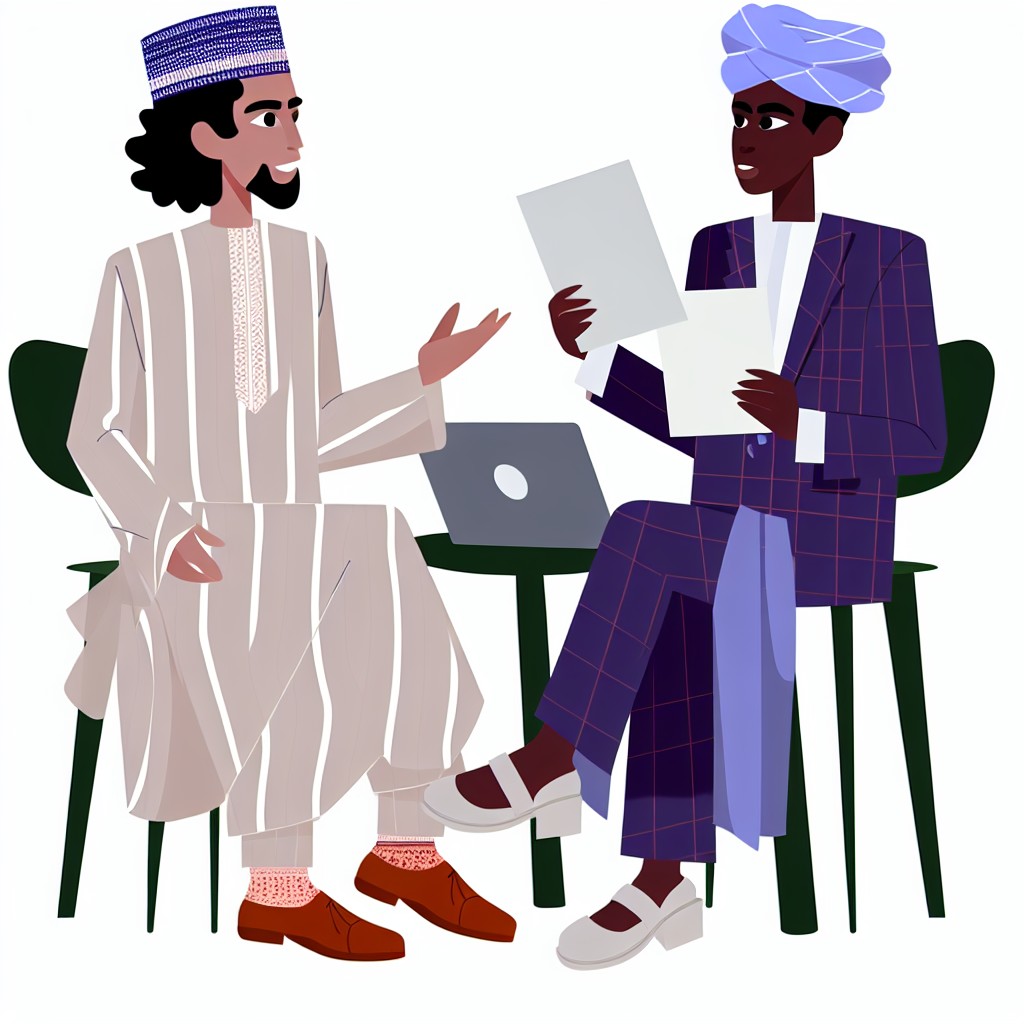
Cross-Cultural Collaborations Between Nigerian and Diaspora Artists
Shared Inspirations and Artistic Exchange
Nigerian artists often draw from rich cultural traditions and contemporary influences.
Similarly, African diaspora artists incorporate ancestral themes alongside modern expressions.
Consequently, both groups find common ground in storytelling and symbolism.
Cross-cultural collaborations allow them to explore these shared inspirations deeply.
For instance, Lagos-based painter Adaora Okeke worked with Toronto-based sculptor Kwesi Anibaba.
Explore Stunning African Digital Art Prints!
Bring the beauty of Nigeria and Africa into your space with high-quality HD digital prints. Browse our collection on Instagram, find what speaks to you, and own a masterpiece today! See something you love? Send us a message on Instagram!
View Collection on InstagramTogether, they created a mixed-media exhibit blending Yoruba mythology with Afro-Caribbean motifs.
This partnership highlighted the fluidity and evolution of African identity through art.
Collaborative Projects and Platforms
Several art platforms facilitate connections between Nigerian and diaspora artists.
Art residencies such as the Pan-African Creative Exchange encourage joint projects.
Additionally, festivals like AfroGlobal Arts Festival host collaborative workshops and showcases.
These projects enable artists to exchange techniques and cultural narratives directly.
One notable collaboration featured visual artist Chiamaka Nwosu and poet Malik Thompson from London.
They combined visual arts and spoken word to address themes of migration and belonging.
Moreover, digital galleries like AfroFusion ArtSpace broaden access to these joint works globally.
Influences on Artistic Styles and Innovation
Cross-cultural exchanges foster innovation in both Nigerian and diaspora art scenes.
Artists experiment with new materials, forms, and conceptual frameworks collaboratively.
For example, textile artist Adaeze Nnamdi introduced indigo dye techniques to a Toronto-based collective.
Simultaneously, her collaborators incorporated Nigerian symbols into contemporary installations.
Thus, these partnerships enrich artistic vocabularies beyond traditional boundaries.
They also challenge stereotypes by presenting multi-dimensional African experiences.
In addition, the global visibility of these collaborations promotes recognition and dialogue.
Overcoming Challenges and Expanding Opportunities in Cross-Cultural Collaboration
Despite enthusiasm, artists often face logistical and cultural challenges when collaborating.
Time zone differences and funding constraints can hinder continuous exchanges.
Moreover, differing cultural expectations may require open communication and flexibility.
Still, many artists view these obstacles as opportunities to build resilience and mutual respect.
Organizations like the Transatlantic Art Network help address these challenges.
They provide resources and frameworks to support sustained cross-cultural projects.
Ultimately, these collaborations contribute to a vibrant, interconnected African artistic community worldwide.
The Use of Nigerian Art Themes in Diaspora Literature, Music, and Fashion
Influences in Diaspora Literature
Nigerian art themes deeply inspire African diaspora writers worldwide.
They incorporate traditional symbols and storytelling techniques into narratives.
For example, novelist Adaobi Nwosu uses Igbo folklore to enrich her novels.
Furthermore, themes of ancestral connection and community recur in these works.
Consequently, Nigerian aesthetics help preserve cultural identity in diaspora literature.
Representation of Nigerian Art in Music
Musicians in the diaspora frequently integrate Nigerian rhythms and motifs.
Special emphasis appears in Afrobeat-inspired compositions and percussion patterns.
Explore Stunning African Digital Art Prints!
Bring the beauty of Nigeria and Africa into your space with high-quality HD digital prints. Browse our collection on Instagram, find what speaks to you, and own a masterpiece today! See something you love? Send us a message on Instagram!
View Collection on InstagramArtists such as Tunde Kalu blend Nigerian vocal inflections and chants seamlessly.
In addition, album artwork often reflects traditional Nigerian visual themes.
Such elements combine to create music with a strong cultural resonance.
Expressions of Nigerian Art through Fashion
Fashion designers abroad draw heavily from Nigerian artistic styles.
They incorporate vibrant Ankara prints and beadwork into contemporary designs.
Designer Ifeanyi Okonkwo showcases Yoruba-inspired patterns in his collections.
Moreover, these fashion choices celebrate African heritage while appealing globally.
Therefore, Nigerian art remains a vital source of creativity in diaspora fashion.
Shared Cultural Aesthetics Across Creative Mediums
Common themes like symbolism, spirituality, and nature unify art forms.
Writers, musicians, and designers often explore these motifs simultaneously.
For instance, the Adinkra symbols appear in literature, album covers, and clothing.
Such crossover strengthens cultural ties within the African diaspora.
Nigerian art sustains a dynamic dialogue among diaspora creative communities.
Challenges and Opportunities in Preserving Nigerian Artistic Heritage Overseas
Barriers to Preservation of Nigerian Art Abroad
Preserving Nigerian artistic heritage faces significant challenges overseas.
Firstly, cultural displacement affects the way artworks are perceived internationally.
Moreover, limited access to authentic Nigerian art materials hampers traditional reproduction.
Additionally, language barriers reduce effective communication about the artworks’ cultural contexts.
Furthermore, insufficient funding restricts preservation projects and exhibitions abroad.
Import restrictions and customs regulations also complicate the movement of art pieces.
Lastly, the risk of cultural appropriation threatens the integrity of Nigerian artistic expressions.
Strategies to Overcome These Challenges
Collaborations with Nigerian artists help maintain authenticity in diaspora communities.
Educational programs promote awareness of Nigerian art’s significance overseas.
Many galleries focus on inclusive curation, showcasing diverse Nigerian art forms.
Digital archiving offers new ways to preserve and share Nigerian art globally.
Furthermore, partnerships with cultural institutions secure funding and resources.
Cultural festivals act as opportunities to celebrate and strengthen artistic heritage abroad.
Opportunities Presented by the Diaspora Context
The African diaspora provides a dynamic platform for Nigerian art to evolve.
Exhibitions abroad expose Nigerian artists to wider audiences and critiques.
Diaspora communities contribute creative fusion, blending Nigerian art with other influences.
This environment fosters innovation while respecting traditional art values.
Explore Stunning African Digital Art Prints!
Bring the beauty of Nigeria and Africa into your space with high-quality HD digital prints. Browse our collection on Instagram, find what speaks to you, and own a masterpiece today! See something you love? Send us a message on Instagram!
View Collection on InstagramGlobal art markets create commercial opportunities for Nigerian artists overseas.
Additionally, technological advancements enable virtual exhibitions and interactive experiences.
Consequently, these developments attract younger generations to engage with Nigerian artistic heritage.
Case Studies of Prominent Diaspora Artists Inspired by Nigerian Art
Kelechi Amadi and the Fusion of Tradition with Modernity
Kelechi Amadi draws heavily from Igbo mask-making traditions in his sculptures.
He transforms traditional motifs into contemporary forms using mixed media.
His works celebrate ancestral narratives while addressing today’s social issues.
Moreover, Amadi’s exhibitions across Europe and America highlight the reach of Nigerian influences.
His unique style inspires many young diaspora artists to explore their roots.
Yara Oladipo and Textile Art Influenced by Nigerian Patterns
Yara Oladipo blends Yoruba textile patterns with modern design elements.
She often incorporates batik and adire techniques into her large-scale fabric murals.
Additionally, Oladipo’s pieces evoke themes of identity and cultural preservation.
Her work frequently appears in galleries focused on African diaspora culture.
As a result, Oladipo fosters a renewed appreciation for Nigerian craft traditions.
Elijah Mensah’s Digital Art Inspired by Nigerian Symbolism
Elijah Mensah uses digital media to reinterpret Nigerian Nsibidi symbols.
He explores the intersection between ancient script and contemporary technology.
Mensah’s animations emphasize themes of communication and heritage.
Furthermore, his projects connect audiences globally to Nigerian visual language.
This approach broadens the impact of Nigerian art far beyond its borders.
Fatima Yusuf’s Painting and Storytelling Through Nigerian Folklore
Fatima Yusuf paints narratives inspired by Yoruba and Hausa folktales.
Her colorful canvases bring traditional stories to life with vivid imagery.
She combines realistic portraiture and symbolic patterns to engage viewers deeply.
Yusuf’s artworks appear in major diaspora collections and academic exhibits.
She plays a key role in keeping Nigerian oral traditions visible within visual arts.
Recurring Themes in Nigerian-Inspired Diaspora Art
- Reclamation of cultural identity through traditional motifs and stories.
- Fusion of ancient techniques with modern artistic practices.
- Exploration of social and political issues via Nigerian symbolism.
- Celebration of ancestral heritage within contemporary global contexts.
Together, these artists demonstrate the enduring power of Nigerian art.
They inspire the diaspora to creatively maintain connections with their lineage.
Additional Resources
Gallery features acclaimed Nigerian artist, African folk art – Grove …