
Introduction to African Art Prints and Their Cultural Significance
Overview of African Art Prints
African art prints visually express rich cultural traditions.
They represent diverse indigenous stories across the continent.
Artists use prints to communicate history, beliefs, and daily life.
Consequently, these prints serve as powerful storytelling tools.
Moreover, they capture unique symbols and vibrant aesthetics.
Cultural Importance of Art Prints
Art prints hold deep significance in African communities.
They often reflect spiritual connections and ancestral heritage.
In addition, prints preserve indigenous languages and customs visually.
Communities use them during ceremonies and educational activities.
Therefore, prints maintain cultural identity and unity.
Role in Contemporary African Society
Today, African art prints continue to evolve creatively.
They inspire both local artists and global audiences alike.
Furthermore, contemporary prints address social and political issues.
They encourage cross-cultural dialogue and appreciation.
As a result, African art prints remain relevant and influential.
Historical Context of Indigenous Narratives in African Art
Origins of Indigenous Storytelling in African Art
African art has deep roots in indigenous storytelling traditions.
These narratives often convey cultural values, histories, and beliefs.
Moreover, storytelling through art served as a means to preserve oral histories.
Communities used visual symbols to pass knowledge across generations.
Artists like Nia Okoro and Kwame Mensah exemplify these traditions in their work.
The Role of Symbols and Motifs
Symbols and motifs form the language of indigenous African art.
Each design carries layered meanings understood within communities.
For instance, the Adinkra symbols express concepts such as wisdom and unity.
Consequently, these images functioned as historical records and moral guides.
Furthermore, they linked art to spiritual and everyday life experiences.
Influence of Historical Events on Artistic Narratives
Historical events significantly shaped indigenous narratives in African art.
Periods of colonization, resistance, and independence inspired many artists.
Artists responded by embedding themes of identity and resilience.
Additionally, interactions with other cultures enriched the visual storytelling.
Renowned painters such as Amina Diallo incorporated these historical layers.
Explore Stunning African Digital Art Prints!
Bring the beauty of Nigeria and Africa into your space with high-quality HD digital prints. Browse our collection on Instagram, find what speaks to you, and own a masterpiece today! See something you love? Send us a message on Instagram!
View Collection on InstagramThe Evolution of Indigenous Narratives in Prints
Printmaking became a vital medium for sharing indigenous stories widely.
This shift allowed artists to reproduce narratives and reach broader audiences.
Printmakers like Tendai Madzonga use contemporary methods while honoring tradition.
Moreover, the accessibility of prints supports cultural education and dialogue.
Thus, indigenous narratives continue to thrive through evolving art forms.
Symbolism and Motifs Commonly Found in African Art Prints
Traditional Symbols and Their Meanings
African art prints often incorporate traditional symbols that convey deep cultural meanings.
For instance, the Adinkra symbols from Ghana communicate concepts like wisdom and unity.
Moreover, these symbols serve as visual storytelling tools for indigenous communities.
Artists use symbols such as the Sankofa bird to represent learning from the past.
Similarly, the Gye Nyame symbol expresses the omnipotence of the divine.
Recurring Motifs Reflecting Nature and Life
Nature-inspired motifs frequently appear in African art prints.
Common elements include animals, plants, and natural patterns that connect to local environments.
For example, the crocodile symbolizes adaptability and strength in many cultures.
Additionally, motifs like the baobab tree represent endurance and community.
These natural elements connect audiences to indigenous identities and histories.
Geometric Patterns and Their Cultural Significance
Geometric patterns also play a crucial role in African art prints.
Artists use shapes such as triangles and zigzags to express harmony and conflict.
These patterns often symbolize social structures and ancestral links.
Furthermore, color combinations enhance the symbolism embedded in the designs.
Consequently, viewers gain insight into traditional beliefs through these visual cues.
Storytelling Through Iconography
Iconography in African prints narrates legends, moral lessons, and historical events.
Each element in a print may represent a character or a significant moment.
For example, depictions of hunters or warriors highlight bravery and skill.
In addition, community rituals and ceremonies find expression in symbolic imagery.
Thus, art prints preserve indigenous knowledge across generations.
Use of Color to Enhance Symbolic Meaning
Color usage in African art prints emphasizes symbolic messages.
Bright reds might indicate vitality or danger, while blues suggest tranquility.
Earth tones often reflect a connection to land and heritage.
Artists carefully select palettes to complement the motifs and patterns.
Hence, color enriches the visual language of indigenous narratives.
Explore Stunning African Digital Art Prints!
Bring the beauty of Nigeria and Africa into your space with high-quality HD digital prints. Browse our collection on Instagram, find what speaks to you, and own a masterpiece today! See something you love? Send us a message on Instagram!
View Collection on InstagramCommon Motifs Across Different African Regions
Although diverse, some motifs recur across multiple African cultures.
The spiral, for example, symbolizes growth and cycles of life broadly.
Repetitive wave patterns can represent water, an essential life force.
Furthermore, handprints may symbolize human presence or ancestry.
This shared symbolism highlights both unity and diversity within the continent.
See Related Content: The Influence of Nigerian Folk Stories on Art Prints
Representation of Folklore and Oral Traditions Through Visual Art
Role of Folklore in African Art Prints
African art prints vividly capture the essence of traditional folklore.
They communicate stories that have been orally passed through generations.
Artists like Amara Nkrumah use their prints to keep cultural tales alive.
Moreover, these artworks preserve myths, legends, and historical accounts.
Therefore, the prints act as visual storytellers for communities.
They often highlight the moral lessons embedded in folklore.
Techniques Used to Illustrate Oral Traditions
Artists incorporate symbolic imagery to represent complex narratives.
Bright colors and patterns evoke the vibrancy of oral storytelling.
Furthermore, the use of repetitive motifs mirrors the rhythm of spoken tales.
For example, Kofi Mensah uses layering techniques to show different story layers.
These visual cues help viewers interpret traditional meanings quickly.
Combined with vivid characters, prints engage audiences with familiar themes.
Impact on Cultural Identity and Heritage
Visual art rooted in oral traditions strengthens community identity.
It fosters pride in cultural uniqueness across generations.
As a result, artists like Zuri Okoye bring renewed appreciation to indigenous narratives.
Communities feel connected to their ancestors through these artworks.
Additionally, such prints challenge misconceptions about African cultures abroad.
This artistic preservation serves as a bridge between past and present.
Examples of Stories Depicted in Art Prints
Many prints depict heroic deeds found in epic oral tales.
Others portray creation myths explaining nature and origins.
Tribal legends involving animals often appear as symbolic figures.
Moreover, ancestral spirits and deities are common focal points.
These elements appear in works by artists like Abeni Chisom.
The prints invite viewers to explore rich cultural symbolism deeply.
Explore Stunning African Digital Art Prints!
Bring the beauty of Nigeria and Africa into your space with high-quality HD digital prints. Browse our collection on Instagram, find what speaks to you, and own a masterpiece today! See something you love? Send us a message on Instagram!
View Collection on InstagramArtists Promoting Oral Traditions Through Prints
Artists such as Jabari Adisa emphasize oral storytelling in their work.
They collaborate with local historians to ensure narrative accuracy.
Many organize community workshops on folklore and art-making.
This collaboration enriches the cultural authenticity of their prints.
Also, galleries like Ubuntu Visuals showcase these meaningful pieces widely.
Through their efforts, oral traditions gain visibility in contemporary art scenes.
Delve into the Subject: The Influence of African Masks on Modern Art Prints
The Role of Indigenous Languages and Scripts in Art Prints
Preserving Cultural Identity Through Language
Indigenous languages embody the cultural identity of African communities.
Artists incorporate these languages into prints to preserve heritage.
Consequently, they create visual narratives rooted in native tongues.
This practice strengthens connections between art and community identity.
Moreover, it helps revive languages that risk extinction.
Visual Storytelling Using Indigenous Scripts
Indigenous scripts provide symbolic elements in many art prints.
Artists like Amina Kouyate skillfully integrate N’Ko script into their work.
These scripts serve not only as text but also as powerful design motifs.
Thus, they enrich prints with layered meanings accessible to insiders.
In addition, scripts create bridges between oral traditions and visual media.
Enhancing Authenticity and Emotional Impact
Including indigenous languages enhances the authenticity of African art prints.
Collectors and viewers feel a deeper emotional connection to the pieces.
Furthermore, language adds context and nuance to artistic expression.
For example, Yoruba proverbs embedded in prints convey wisdom effectively.
This dimension invites audiences to explore cultural narratives more intimately.
Techniques and Materials Used to Render Scripts
Artists employ traditional and modern techniques to depict scripts visibly.
Woodblock printing remains popular for carving indigenous characters.
Screen printing allows the precise layering of colorful native alphabets.
Additionally, hand-painted calligraphy emphasizes script beauty and fluidity.
These approaches ensure the cultural significance of language is honored visually.
Collaborations That Promote Indigenous Narratives
Creative partnerships enhance the presence of indigenous languages in prints.
For instance, the Ubuntu Print Collective works with local linguists and artists.
These collaborations prioritize accurate representation of indigenous scripts.
Explore Stunning African Digital Art Prints!
Bring the beauty of Nigeria and Africa into your space with high-quality HD digital prints. Browse our collection on Instagram, find what speaks to you, and own a masterpiece today! See something you love? Send us a message on Instagram!
View Collection on InstagramThey also train emerging artists to use native languages in their prints.
Consequently, these efforts expand the reach of indigenous narratives globally.
Addressing Challenges in Integrating Indigenous Languages
Language diversity presents a challenge due to numerous African dialects.
Moreover, some scripts lack standardized written forms for easy use.
Because of this, artists often adapt or simplify characters creatively.
Nonetheless, they strive to remain true to linguistic origins and meanings.
Efforts continue to document and standardize indigenous written forms for art.
Discover More: The History of Nigerian Textile Art and Printmaking
How African Art Prints Preserve and Promote Cultural Identity
Connection to Indigenous Stories and Traditions
African art prints vividly capture indigenous stories through visual symbolism.
These prints reflect ancestral legends and oral histories passed down generations.
They enable communities to maintain a strong link to their cultural roots.
For instance, the prints often depict traditional masks, rituals, and folklore characters.
Consequently, they serve as a visual archive for cultural knowledge and values.
Role in Cultural Education and Community Engagement
Art prints play a vital role in educating younger generations about their heritage.
Artists like Kwame Mensah actively involve local communities in creating authentic works.
Schools use these prints to teach students about indigenous identities and histories.
Moreover, public exhibitions foster dialogue about cultural pride and preservation.
Through workshops, the prints help revive traditional techniques and storytelling methods.
Promotion of Cultural Identity in Global Contexts
African art prints introduce indigenous narratives to international audiences.
Gallery owners such as Amara Nkosi promote these prints worldwide to increase visibility.
The prints challenge stereotypes by showcasing diverse African cultural expressions.
Collectors value them for their unique blend of history and contemporary art.
Thus, they create global appreciation while reinforcing community identity at home.
Techniques That Reflect Cultural Significance
Traditional methods such as block printing and batik maintain authentic craftsmanship.
Artisans like Fatima Diarra incorporate indigenous patterns into each print.
The use of natural dyes ties the artwork to the environment and ancestral practices.
Furthermore, these techniques highlight regional differences in cultural expression.
This diversity within prints enriches understanding of Africa’s indigenous heritage.
Impact on Cultural Preservation and Economic Empowerment
Art prints help preserve endangered cultural knowledge through ongoing production.
Artists such as Tunde Alabi generate income by marketing culturally significant prints.
Explore Stunning African Digital Art Prints!
Bring the beauty of Nigeria and Africa into your space with high-quality HD digital prints. Browse our collection on Instagram, find what speaks to you, and own a masterpiece today! See something you love? Send us a message on Instagram!
View Collection on InstagramEconomic benefits motivate communities to sustain traditional artistic practices.
Additionally, cultural tourism centered around art prints stimulates local economies.
Therefore, art prints bridge cultural survival with modern livelihood opportunities.
Discover More: The Process of Making Handcrafted Nigerian Art Prints
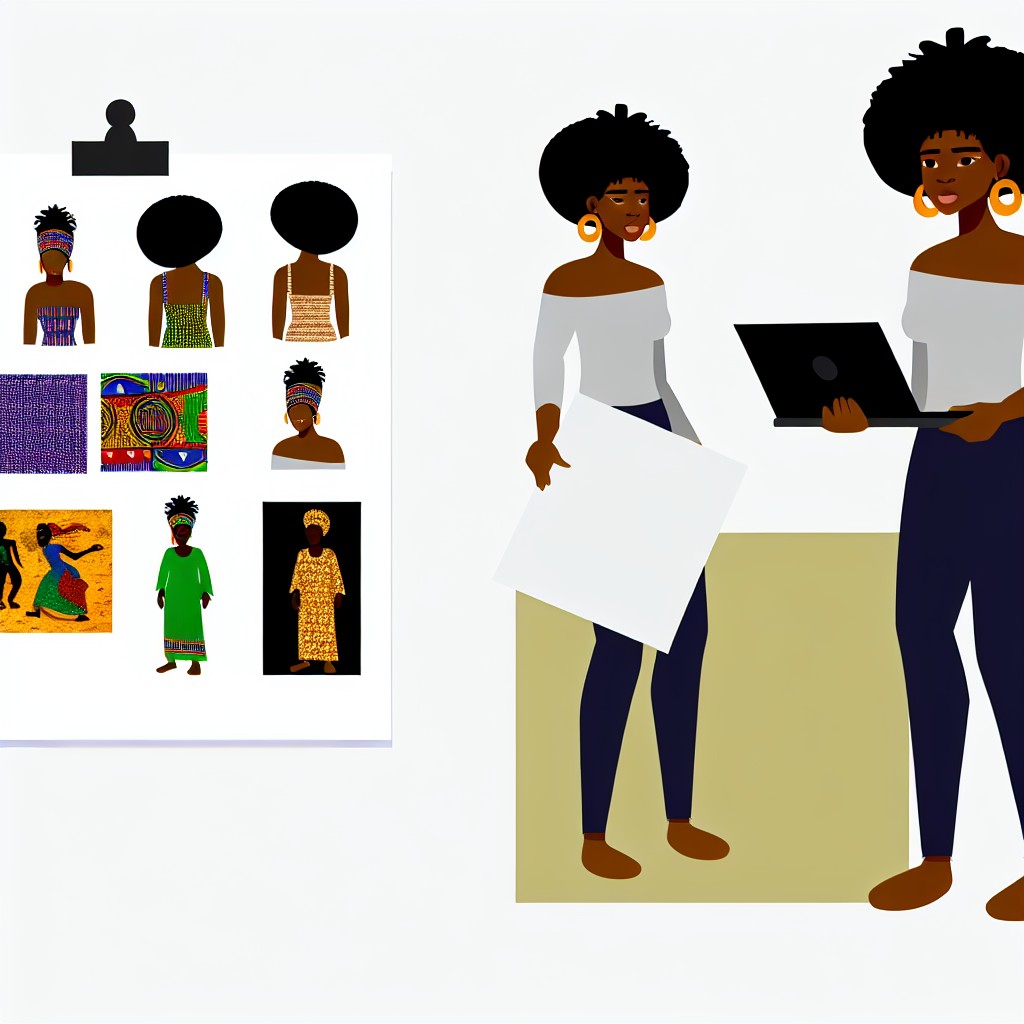
The impact of colonialism on the evolution of African art narratives
Disruption of Indigenous Artistic Traditions
Colonialism disrupted many indigenous artistic traditions across Africa.
European powers imposed foreign cultural values and norms on local communities.
This imposition often devalued African art and its traditional meanings.
Moreover, colonial administrations restricted local creative expressions.
As a result, many indigenous artists lost access to traditional materials and spaces.
Consequently, some art forms changed to survive under colonial rule.
However, artists like Amina Bakari adapted by blending traditional and European styles.
Reinterpretation and Appropriation of African Narratives
Colonial authorities frequently reinterpreted African art for their own agendas.
They displayed African art as exotic curiosities in Western museums.
This practice stripped artworks of their original cultural significance.
Additionally, these reinterpretations often misrepresented indigenous stories.
Colonial collectors such as Pieter Verhoeven led these appropriations actively.
Simultaneously, African artists began reclaiming their narratives in new ways.
For instance, sculptor Kwasi Yeboah revived Ashanti symbolism to resist colonial narratives.
Emergence of Hybrid Artistic Expressions
Colonialism inadvertently fostered hybrid artistic expressions in African communities.
Artists started mixing indigenous motifs with Western techniques and materials.
This fusion highlighted resistance as well as adaptation to colonial pressures.
Artisans like Fatima Ndulu created prints combining Hausa folklore with modern printing methods.
Such collaborations challenged colonial definitions of “authentic” African art.
Furthermore, these hybrid artworks opened new dialogues on cultural identity.
Legacy and Contemporary Reflections in African Art
The colonial impact continues to influence African art narratives today.
Contemporary artists study historical disruptions to reclaim indigenous voices.
For example, visual artist Tunde Afolabi explores colonial archives for inspiration.
Printmakers in Lagos and Accra frequently reference colonial-era changes in their works.
Moreover, art institutions emphasize indigenous perspectives in their exhibitions.
This shift encourages audiences to appreciate African art beyond colonial frameworks.
Explore Stunning African Digital Art Prints!
Bring the beauty of Nigeria and Africa into your space with high-quality HD digital prints. Browse our collection on Instagram, find what speaks to you, and own a masterpiece today! See something you love? Send us a message on Instagram!
View Collection on InstagramThus, understanding colonialism is crucial to fully grasp African art’s evolution.
Contemporary Interpretations of Indigenous Themes in African Art Prints
Revitalizing Traditional Stories through Modern Art
Contemporary African artists actively draw upon indigenous narratives to inspire their prints.
They reinterpret age-old stories to resonate with today’s audiences.
Moreover, these prints serve as visual bridges between generations.
For example, the works of Amina Ndlovu integrate ancestral myths with vibrant modern aesthetics.
This fusion allows communities to preserve cultural memory while embracing innovation.
Consequently, indigenous themes gain fresh relevance in a global art market.
Symbolism and Motifs in Contemporary Prints
Artists employ symbolic imagery to convey deeper meanings rooted in tradition.
Common motifs include totems, animals, and natural elements representative of local myths.
In addition, these symbols often express philosophical ideas or spiritual beliefs.
Jacob Maseko’s prints highlight interconnectedness through the use of intertwined tribal patterns.
Therefore, prints become storytelling tools that communicate identity and heritage.
Social Commentary and Indigenous Perspectives
Many artists use indigenous themes to address modern social issues.
They critique colonial legacies, environmental challenges, and cultural erosion.
Furthermore, these prints amplify voices often marginalized in mainstream discourse.
For instance, Lindiwe Chika’s art questions urbanization’s impact on rural traditions.
Thus, traditional narratives gain new purpose in promoting social awareness.
Techniques and Materials Reflecting Cultural Roots
Contemporary printmakers incorporate traditional techniques with innovative methods.
They blend hand-carving with digital processes to enhance texture and detail.
Additionally, natural materials like bark, fabrics, and organic inks feature prominently.
Artists such as Kwesi Abebe respect ancestral craftsmanship while pushing creative boundaries.
This approach honors indigenous legacies while engaging contemporary art trends.
Global Influence and Indigenous Narratives
African art prints featuring indigenous themes attract interest worldwide.
Exhibitions in galleries from Lagos to Paris celebrate these culturally rich works.
Artists collaborate internationally to share indigenous stories across borders.
Moreover, collectors appreciate the unique blend of tradition and modernity.
As a result, indigenous narratives gain broader visibility and impact.
Role of Artists in Interpreting and Reshaping Indigenous Stories
Preserving Indigenous Narratives Through Artistic Expression
African artists play a crucial role in preserving indigenous narratives.
They interpret stories passed down through generations using visual art.
Through prints, artists capture the essence of cultural myths and history.
Explore Stunning African Digital Art Prints!
Bring the beauty of Nigeria and Africa into your space with high-quality HD digital prints. Browse our collection on Instagram, find what speaks to you, and own a masterpiece today! See something you love? Send us a message on Instagram!
View Collection on InstagramMoreover, they keep ancestral voices alive in contemporary society.
In this way, art becomes a living record of heritage and identity.
Innovating Storytelling with Contemporary Techniques
Artists blend traditional themes with modern printmaking methods.
This fusion reshapes narratives for new audiences while respecting origins.
Prints often reflect current social realities intertwined with ancient folklore.
Consequently, viewers gain fresh perspectives on timeless indigenous wisdom.
Hence, artists contribute to the evolution of cultural storytelling.
Empowering Communities Through Visual Narratives
Visual art empowers communities by affirming their unique histories.
Artists like Kwame Kamau engage with local groups to source authentic stories.
They ensure representation of marginalized voices in their works.
This approach fosters pride and solidarity within indigenous populations.
As a result, art prints serve as tools for cultural education and activism.
Diverse Approaches to Reinterpreting Indigenous Themes
Each artist brings a personal lens to indigenous stories.
For example, Nia Okoro incorporates urban experiences with traditional symbols.
Others, like Temba Mwangi, focus on spiritual and environmental connections.
These varied approaches enrich the narrative fabric of African art prints.
Thus, indigenous stories remain dynamic and relevant across contexts.
The influence of regional diversity on the styles and stories depicted
Distinct Regional Styles in African Art Prints
African art prints vary greatly across different regions of the continent.
For instance, West African prints often feature bold geometric patterns.
These patterns reflect the cultural heritage of communities like the Ashanti and Yoruba.
Conversely, East African art prints frequently incorporate organic shapes inspired by nature.
Such designs echo the landscapes and wildlife that inspire artists in the region.
Moreover, Southern African prints emphasize symbolic figures rooted in local myths.
These figures tell stories from the San and Zulu traditions.
Therefore, regional environments directly impact the visual style of art prints.
Regional Narratives and Storytelling
Each region’s history influences the narratives illustrated in its art prints.
West African prints commonly depict historical events and ancestral lineage.
These prints honor leaders such as Queen Yaa Asantewaa and notable warriors.
In East Africa, prints often tell tales of migration and coastal trade.
For example, Swahili coastal themes celebrate interactions between Africans and Arab traders.
Explore Stunning African Digital Art Prints!
Bring the beauty of Nigeria and Africa into your space with high-quality HD digital prints. Browse our collection on Instagram, find what speaks to you, and own a masterpiece today! See something you love? Send us a message on Instagram!
View Collection on InstagramMeanwhile, Southern African prints highlight creation myths and spiritual beliefs.
Such stories include the legend of the Rain Queen and other indigenous lore.
Consequently, art prints serve as powerful mediums for preserving oral histories.
Materials and Techniques Reflecting Local Traditions
Artists incorporate traditional materials native to their regions.
In Mali, craftsmen use indigo dye derived from local plants.
Similarly, Nigerian artists frequently employ adire resist-dyeing techniques.
These methods create distinctive patterns unique to their cultural identity.
In Kenya and Tanzania, bark cloth and natural pigments are popular choices.
They connect the artworks to ancestral textile practices and environmental resources.
Thus, material choices reveal strong ties between art and regional ecosystems.
Regional Artisans and Cultural Preservation
Local artisans play a crucial role in maintaining indigenous artistic traditions.
Communities like the Bamana of Mali actively pass down printmaking knowledge.
Workshops led by artists such as Amina Jabari train younger generations.
Additionally, cooperatives in Zimbabwe promote Shona sculptural prints inspired by stone carvings.
These groups ensure the survival of culturally significant art forms.
Furthermore, they adapt traditional narratives for contemporary audiences.
Hence, regional artists serve as custodians of their heritage through print art.
Celebrating Diversity Through Artistic Expression
Regional differences enrich the tapestry of African art prints worldwide.
Collectors appreciate the unique stories embedded in each style.
Exhibitions often showcase contrasts between Northern African motifs and Central African symbols.
These displays highlight how geography and culture shape artistic identity.
Moreover, they promote cross-cultural understanding and respect.
As a result, regional diversity fuels ongoing creativity and innovation in African art.
Additional Resources
“When I look back and reflect on it, [modern art] just felt like home. It …