
Overview of Pre-Colonial African Art Styles and Their Cultural Significance
Diversity of Art Forms
African art thrived across numerous regions before colonial influence.
It encompassed sculpture, pottery, textiles, masks, and body art.
Each art form reflected the distinct identity of African ethnic groups.
Moreover, various materials such as wood, bronze, ivory, and beads were utilized.
Artists carefully selected mediums based on cultural purposes and availability.
Spiritual and Social Functions
Pre-colonial African art held deep spiritual meaning for many communities.
It often connected the physical world with ancestors and spiritual realms.
For instance, masks played a vital role in rituals and ceremonies.
Additionally, sculptures symbolized deities or evoked protection and blessings.
Communities also used art to communicate social status and hierarchy.
Art as Historical Record
Artists recorded important events and collective memories through visual storytelling.
Certain royal courts commissioned elaborate art pieces to display lineage and power.
Thus, art became a medium to preserve history across generations.
Furthermore, oral traditions often complemented visual representations.
As a result, society maintained a rich cultural continuity through art.
Regional Artistic Styles
West Africa became renowned for sophisticated bronze casting techniques.
The Benin Empire produced intricately detailed plaques and statues.
In contrast, the Igbo-Ukwu region practiced delicate metalwork and pottery.
East Africa featured vibrant textile designs and carved wooden artifacts.
Meanwhile, southern African San communities excelled in rock paintings and engravings.
Symbolism and Meaning
Symbolic motifs appeared consistently across various art objects.
Patterns often conveyed ideas about fertility, power, and protection.
Colors held specific meanings, such as red representing life or courage.
Animal imagery also played a significant role in cultural symbolism.
Therefore, understanding these meanings is key to interpreting African art.
Introduction of European Artistic Influences During the Colonial Period
Arrival of European Art Styles in Africa
European colonizers introduced new artistic concepts across African regions.
This introduction altered traditional art forms and practices significantly.
Colonial administrators often encouraged African artists to adopt European techniques.
Consequently, local art began reflecting foreign aesthetics and styles.
Moreover, missionaries promoted European religious art to support their missions.
Explore Stunning African Digital Art Prints!
Bring the beauty of Nigeria and Africa into your space with high-quality HD digital prints. Browse our collection on Instagram, find what speaks to you, and own a masterpiece today! See something you love? Send us a message on Instagram!
View Collection on InstagramIntegration of European Techniques with Indigenous Art
African artists started blending local motifs with European art methods.
For example, artists combined traditional symbolism with oil painting techniques.
This fusion created unique hybrid styles previously unseen in African art history.
Likewise, sculptors experimented with European tools, improving material manipulation.
Additionally, European art education systems influenced artistic training in colonies.
Impact on African Art Communities
New artistic trends reshaped community perceptions about art and craftsmanship.
Some artists welcomed the changes as opportunities for innovation and growth.
However, others resisted, striving to preserve indigenous artistic identities.
Furthermore, European patrons often dictated the themes and purposes of artworks.
Therefore, art production increasingly served colonial agendas and exhibitions abroad.
Enduring Effects of Colonial Artistic Exchange
Colonialism left a lasting imprint on the evolution of African art styles.
Today’s contemporary African art still shows traces of these historical interactions.
Artists like Amina Djibril and Kwesi Nkrumah reflect this blended artistic heritage.
Their works illustrate both resistance to and adaptation of colonial influences.
Ultimately, the colonial period transformed African art into a vibrant cross-cultural dialogue.
The Fusion of Indigenous and Colonial Art Techniques and Motifs
Interweaving Traditional African Methods with Colonial Influences
African artists actively incorporated colonial techniques into their traditional art forms.
Consequently, unique hybrid styles emerged across various regions.
Local sculptors began blending indigenous woodcarving with European realism.
Similarly, painters experimented by combining tribal symbolism with Western perspective.
This fusion enriched the visual language of African art significantly.
The Role of Cultural Exchange in Artistic Evolution
Cultural interactions shaped artists’ approaches during the colonial era.
Missionaries and colonial administrators introduced new materials and tools.
Moreover, African craftsmen adapted these resources creatively to suit local aesthetics.
Such exchange fostered experimentation beyond conventional boundaries.
Importantly, it led to the birth of novel motifs reflecting dual heritage.
Common Techniques and Motifs That Blended Tradition and Colonization
Many artworks featured a blend of indigenous patterns with European iconography.
Colonial art schools taught realistic shading alongside traditional decorative designs.
Artists used indigenous symbolism to express new political and social themes.
For instance, masks combined ancestral elements with Christian imagery.
Furthermore, textiles displayed both native dyes and Western weaving methods.
Explore Stunning African Digital Art Prints!
Bring the beauty of Nigeria and Africa into your space with high-quality HD digital prints. Browse our collection on Instagram, find what speaks to you, and own a masterpiece today! See something you love? Send us a message on Instagram!
View Collection on InstagramProminent Artists and Studios Exemplifying Fusion
Artists like Kwame Mensah integrated local carving with academic painting skills.
Studios such as the Lagos Art Cooperative pioneered hybrid artistic practices.
In addition, Abeba Tekle’s ceramics showcased fused motifs from Ethiopian tradition and Italian techniques.
These creators inspired future generations to embrace cross-cultural aesthetics.
They symbolize the dynamic nature of African art under colonial influence.
You Might Also Like: How to Identify Authentic Nigerian Art Prints
Impact of Colonial Education Systems on Traditional African Art Practices
Introduction to Colonial Education Influence
Colonial education systems reshaped African societies significantly.
They introduced new curricula that often excluded indigenous knowledge.
As a result, traditional African art practices faced marginalization.
Moreover, colonial authorities prioritized European artistic standards.
This shift affected the transmission of native artistic techniques.
Indeed, many African artists encountered restrictions on traditional expressions.
Suppression of Indigenous Art Forms
Colonial schools discouraged teaching traditional art skills.
The curricula focused heavily on Western art methods.
Consequently, indigenous styles were considered primitive or inferior.
This prejudice led many students to abandon their cultural art heritage.
For instance, local sculpting and weaving techniques declined in practice.
Furthermore, traditional symbolism in art lost its original meaning.
Introduction of Western Artistic Techniques and Values
Colonial education promoted realism and perspective in art.
These ideals contrasted with African abstract and symbolic forms.
Furthermore, European art theory dominated art instruction in colonial schools.
Artists trained in this system adopted new styles to gain recognition.
Therefore, many native art forms blended with European influences.
This fusion sometimes diluted authentic African artistic identities.
Changes in Artistic Purpose and Patronage
Colonial systems shifted artists’ focus toward commercial art.
European demand influenced the types of artworks created.
Traditional art, which served ritualistic or communal needs, declined.
Patrons preferred decorative pieces over culturally significant items.
This dynamic changed the social function of African art drastically.
Artists like Kwame Mensah adapted to survive under new economic pressures.
Explore Stunning African Digital Art Prints!
Bring the beauty of Nigeria and Africa into your space with high-quality HD digital prints. Browse our collection on Instagram, find what speaks to you, and own a masterpiece today! See something you love? Send us a message on Instagram!
View Collection on InstagramRevival and Resistance Efforts
Despite challenges, some artists preserved traditional methods covertly.
Institutions like the Pan-African Arts Collective supported indigenous art revival.
Artists used hybrid techniques to resist colonial cultural dominance.
For example, Amina Diallo integrated folklore themes into contemporary works.
These efforts inspired renewed appreciation for African artistic heritage.
Thus, colonial education sparked both suppression and creative resilience.
Learn More: The Role of Nigerian Art Prints in Modern Advertising
Changes in Materials and Mediums Used Due to Colonial Trade and Resource Control
Introduction of New Materials Through Colonial Trade
Colonial trade introduced a variety of new materials to African artists.
European traders brought supplies such as glass beads, metal tools, and textiles.
Many artists began incorporating these materials into traditional art forms.
For example, glass beads became popular in jewelry and ceremonial clothing.
The availability of imported pigments also altered traditional painting methods.
African art started to reflect a mix of indigenous and foreign materials.
Effects of Resource Control on Traditional Mediums
Colonial powers controlled access to native resources crucial for art production.
This restricted artists’ use of certain woods, dyes, and animal products.
As a result, some traditional crafting techniques declined or adapted.
Resource scarcity encouraged experimentation with alternative materials.
Artists sometimes replaced rare hardwoods with more accessible materials.
Resource control directly shaped the evolution of African art styles.
Integration of Trade Goods Into Art Practices
Trade goods influenced both aesthetic choices and functional aspects of art.
Silks and cottons imported by the Dutch and British became popular textiles.
Artists also incorporated metal scraps obtained from colonial trade routes.
Later, these materials featured in sculptures, masks, and ceremonial objects.
Art became a vehicle for expressing cultural hybridity.
These new materials helped artists navigate the changing socio-economic environment.
Impact on Artistic Techniques and Production
The introduction of metal chisels improved woodworking precision and detail.
Glass beads allowed for more intricate patterns and symbolism.
These tools and materials expanded the creative possibilities for artisans.
Colonial trade facilitated wider distribution of African art pieces.
Artists adapted their techniques to meet new demands and opportunities.
Explore Stunning African Digital Art Prints!
Bring the beauty of Nigeria and Africa into your space with high-quality HD digital prints. Browse our collection on Instagram, find what speaks to you, and own a masterpiece today! See something you love? Send us a message on Instagram!
View Collection on InstagramColonial influence reshaped material culture in profound and lasting ways.
Explore Further: How Nigerian Artists Incorporate Calligraphy in Art Prints
Role of Colonial Exhibitions and Museums in Redefining African Art
Colonial Exhibitions as Platforms for African Art
Colonial exhibitions displayed African art in European cities to showcase empire territories.
They often framed African objects as exotic curiosities rather than cultural treasures.
As a result, these exhibitions shaped European perceptions of African creativity and identity.
Moreover, organizers selected pieces based on their appeal to Western audiences.
Consequently, many artworks were taken out of their original context and meaning.
This process affected how African art was valued and understood globally.
Museums and the Institutionalization of African Art
Museums played a central role in preserving African art during and after colonial times.
These institutions often categorized African artifacts as ethnographic specimens instead of fine art.
As a result, African creativity was marginalized within art historical narratives.
However, museums also provided a permanent space for African art to be studied and appreciated.
Several curators like Amadou Diallo promoted deeper understanding of African aesthetics inside museums.
They challenged earlier prejudices by emphasizing artistic innovation and cultural significance.
Impacts on African Artists and Art Styles
Colonial exhibitions and museums influenced African artists’ styles and subject matter.
Artists responded to external expectations by adapting traditional forms to new audiences.
This fusion led to the emergence of hybrid art styles blending indigenous and Western elements.
Furthermore, some artists reclaimed narratives by asserting cultural pride through their works.
Such dynamics highlight complex interactions between imposed definitions and authentic expressions.
Reevaluating African Art in Contemporary Contexts
Today, scholars and curators reassess colonial legacies in how African art is presented.
They strive to restore original contexts and recognize diverse artistic traditions.
Community-led exhibitions and repatriation efforts support this important transformation.
These initiatives foster respect for African voices in telling their artistic histories.
Ultimately, this shift encourages global audiences to appreciate African art on its own terms.
See Related Content: How African Art Prints Reflect Indigenous Narratives
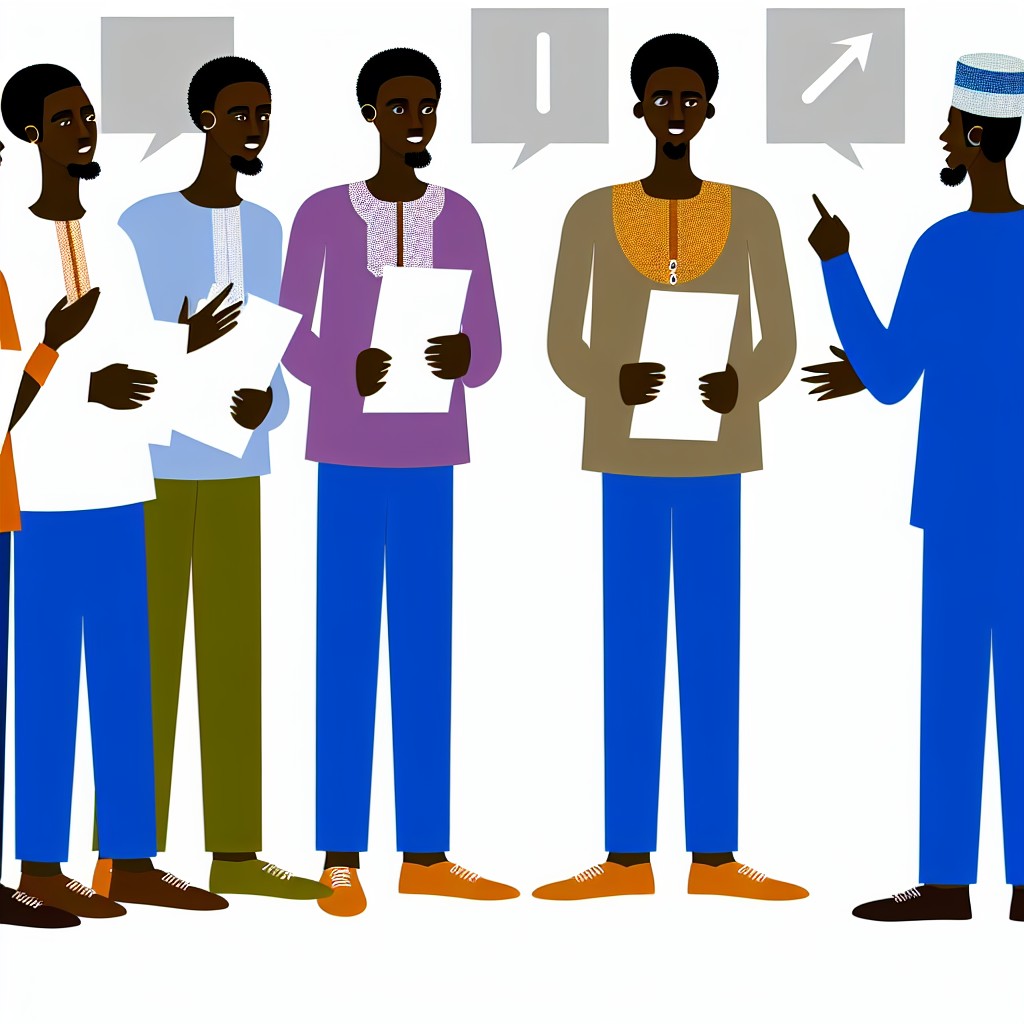
Resistance and Adaptation: African Artists’ Responses to Colonial Artistic Impositions
Assertion of Cultural Identity through Art
African artists actively resisted colonial artistic norms by emphasizing their cultural heritage.
They preserved traditional motifs and techniques despite colonial pressures to conform.
Moreover, artists like Kofi Mensah emphasized indigenous symbols to assert identity.
This artistic assertion became a form of cultural resistance against colonial dominance.
In addition, artworks served as a medium to communicate indigenous values and histories.
Explore Stunning African Digital Art Prints!
Bring the beauty of Nigeria and Africa into your space with high-quality HD digital prints. Browse our collection on Instagram, find what speaks to you, and own a masterpiece today! See something you love? Send us a message on Instagram!
View Collection on InstagramAdaptation of Colonial Techniques into New Expressions
Some artists integrated colonial artistic methods to innovate new hybrid styles.
They adopted Western materials and tools but infused them with African themes.
For instance, Taiwo Ojo blended oil painting techniques with Yoruba iconography.
Consequently, this adaptation led to dynamic art forms that defied strict categorization.
It showcased resilience by transforming imposed styles into vehicles for African expression.
Use of Art as Political and Social Commentary
Artists employed their work to critique colonial rule and advocate for liberation.
Paintings and sculptures highlighted injustices and called for social change.
For example, Amina Diallo’s murals depicted the impacts of colonial exploitation vividly.
Thus, art became a powerful tool for resistance and awareness during colonization.
Furthermore, it inspired communities to reclaim their rights and cultural pride.
Community and Collective Artistic Movements
Many artists formed collectives to strengthen their response to colonial influences.
The Bamako Group promoted pan-African aesthetics and cross-cultural collaboration.
This collective approach fostered solidarity and amplified indigenous voices in art.
Additionally, they organized exhibitions that challenged dominant colonial narratives.
Therefore, collective action enhanced the impact of resistance and adaptation efforts.
Preservation of Oral Traditions through Visual Media
Artists incorporated oral stories and folklore into visual artworks to preserve heritage.
This method maintained cultural continuity despite disruption by colonial forces.
Visual storytelling reinforced community values and historical knowledge.
Consequently, these artworks safeguarded intangible cultural expressions from being lost.
They ensured that future generations would connect with ancestral narratives authentically.
Long-term Effects of Colonialism on Contemporary African Art and Identity
Cultural Hybridity and Artistic Expression
Colonialism introduced new materials and techniques to African artists.
Many artists blended traditional and Western styles in their work.
This fusion reflects complex cultural identities formed during colonial times.
Contemporary artists such as Amina N’Diaye explore indigenous and European influences.
Hybridity has created unique art forms that challenge rigid cultural definitions.
Impact on African Artistic Identity
Colonial rule disrupted traditional art practices and societal roles for artists.
Some artistic traditions faced decline or transformation as a result.
Many communities preserved their heritage through oral histories and rituals.
Today, artists reconsider and revive these traditions as acts of cultural reclamation.
Colonial legacies continue to shape debates on authentic African identity.
Explore Stunning African Digital Art Prints!
Bring the beauty of Nigeria and Africa into your space with high-quality HD digital prints. Browse our collection on Instagram, find what speaks to you, and own a masterpiece today! See something you love? Send us a message on Instagram!
View Collection on InstagramReclamation and Resistance through Art
Contemporary African artists actively critique colonial histories in their work.
Kwame Diouf creates installations addressing colonial violence and memory.
Art serves as a platform for political and social resistance.
This defiance contributes to redefining African identity on the global stage.
Diasporic artists engage with heritage to foster dialogue about shared histories.
Influence on Artistic Markets and Global Recognition
Colonialism affected how African art is valued internationally.
Many artworks were removed and displayed in Western museums during colonial times.
Current demands call for the repatriation of cultural artifacts.
African artists like Tendai Mukasa gain worldwide acclaim blending tradition and innovation.
This recognition challenges earlier Eurocentric perspectives on African creativity.
Ongoing Challenges and Opportunities for African Artists
Colonial histories still limit access to resources for many African artists.
Economic and infrastructural barriers affect artistic production and distribution.
Digital platforms offer new opportunities for exposure and collaboration.
Artists such as Fatou Camara utilize technology to reach global audiences.
The legacy of colonialism shapes but does not determine African art and identity.
Case Studies of Colonial Influence on African Art Styles
Artistic Changes in the Ashanti Region
The Ashanti people in present-day Ghana experienced significant colonial influence on their art.
British colonial administrators introduced European aesthetics through mission schools.
Consequently, traditional Ashanti goldweights and textiles began to incorporate Western motifs.
Moreover, local artists adapted their techniques to meet new colonial market demands.
This fusion influenced Ashanti sculpture and craftwork throughout the early 20th century.
Influence on the Kongo Kingdom’s Artistic Expressions
The Kongo Kingdom’s art transformed due to Portuguese colonization from the late 15th century.
Religious art especially absorbed Christian iconography introduced by Catholic missionaries.
For instance, nkisi figures sometimes combined traditional symbols with Christian elements.
Additionally, Kongo artists started using imported materials like glass beads and brass.
This cross-cultural exchange reshaped Kongo visual culture extensively.
Impact on the Yoruba Artistic Traditions
Colonial rule in Nigeria brought new artistic mediums and educational opportunities to the Yoruba.
Missionary schools introduced drawing and painting techniques from Europe.
Consequently, Yoruba artists blended traditional motifs with Western realism in their works.
Furthermore, colonial patronage created new markets for Yoruba woodcarvings and textiles.
Such interactions led to dynamic changes in Yoruba art styles during the colonial period.
Explore Stunning African Digital Art Prints!
Bring the beauty of Nigeria and Africa into your space with high-quality HD digital prints. Browse our collection on Instagram, find what speaks to you, and own a masterpiece today! See something you love? Send us a message on Instagram!
View Collection on InstagramColonial Influence on the Herero People’s Art in Namibia
The German colonial period impacted Herero visual and performance arts significantly.
The introduction of European dress shifted traditional Herero costume styles and symbolism.
Likewise, new crafts, such as beadwork and embroidery, incorporated colonial design elements.
Moreover, colonial authorities used art as a tool to promote their political agendas.
These factors together altered Herero artistic expressions in complex ways.
Effects on the Zulu Artistic Practices in South Africa
British colonialism shaped the artistic production of the Zulu in multiple ways.
The establishment of mission schools spread European art concepts among Zulu youth.
Zulu beadwork depicted new symbolic meanings influenced by colonial and Christian themes.
Additionally, colonial trade introduced new materials and techniques to local artisans.
Therefore, Zulu art evolved by integrating indigenous traditions with external influences.
Shared Patterns of Colonial Influence on African Art
- Introduction of new materials like glass, brass, and imported textiles.
- Incorporation of Christian symbols and European motifs into traditional art.
- Adoption of Western artistic techniques taught in colonial mission and trade schools.
- Creation of hybrid art forms that blended local and colonial aesthetics.
- Art serving both cultural expression and colonial political or economic goals.
These patterns showcase the complex legacy of colonialism on African art styles.
Resurgence and Reclamation of African Art Styles Post-Independence
Cultural Revival and National Identity
After gaining independence, many African nations prioritized reclaiming their cultural heritage.
Artists and intellectuals actively revived traditional art forms to restore pride in their identities.
This resurgence helped counteract the cultural erasure caused by colonial rule.
Moreover, governments supported art as a symbol of national unity and pride.
Hence, traditional motifs, techniques, and materials regained popularity across the continent.
Influence of Prominent Artists and Movements
Influential artists like El Anatsui and Esther Mahlangu led the movement to revive African aesthetics.
They fused ancestral styles with contemporary themes to appeal globally.
Consequently, new art movements emphasized indigenous knowledge and craftsmanship.
These artists gained international recognition, which further encouraged cultural reclamation.
In addition, collectives and galleries dedicated to African art flourished after independence.
Educational and Institutional Support
Art schools incorporated African history and traditional craft techniques into their curricula.
This educational shift nurtured a new generation of artists connected to their roots.
Institutions also organized exhibitions showcasing pre-colonial and contemporary African art.
As a result, audiences worldwide developed greater appreciation for Africa’s rich artistic heritage.
Furthermore, museums repatriated artworks, reinforcing cultural ownership and historical continuity.
Challenges and Contemporary Adaptations
Despite progress, many artists face challenges such as market access and funding limitations.
Nonetheless, new technologies help artists blend traditional styles with modern media.
Digital platforms amplify African art’s reach and foster cross-cultural collaborations.
Therefore, the reclamation of African art continues evolving dynamically in a global context.
Explore Stunning African Digital Art Prints!
Bring the beauty of Nigeria and Africa into your space with high-quality HD digital prints. Browse our collection on Instagram, find what speaks to you, and own a masterpiece today! See something you love? Send us a message on Instagram!
View Collection on InstagramUltimately, post-independence efforts have reinvigorated African art styles and cultural pride.
Additional Resources
TRENDS AND EVOLUTION EFFECTS ON THE CONTEMPORARY …
Impact of Colonialism on Contemporary African Art (pdf) – CliffsNotes