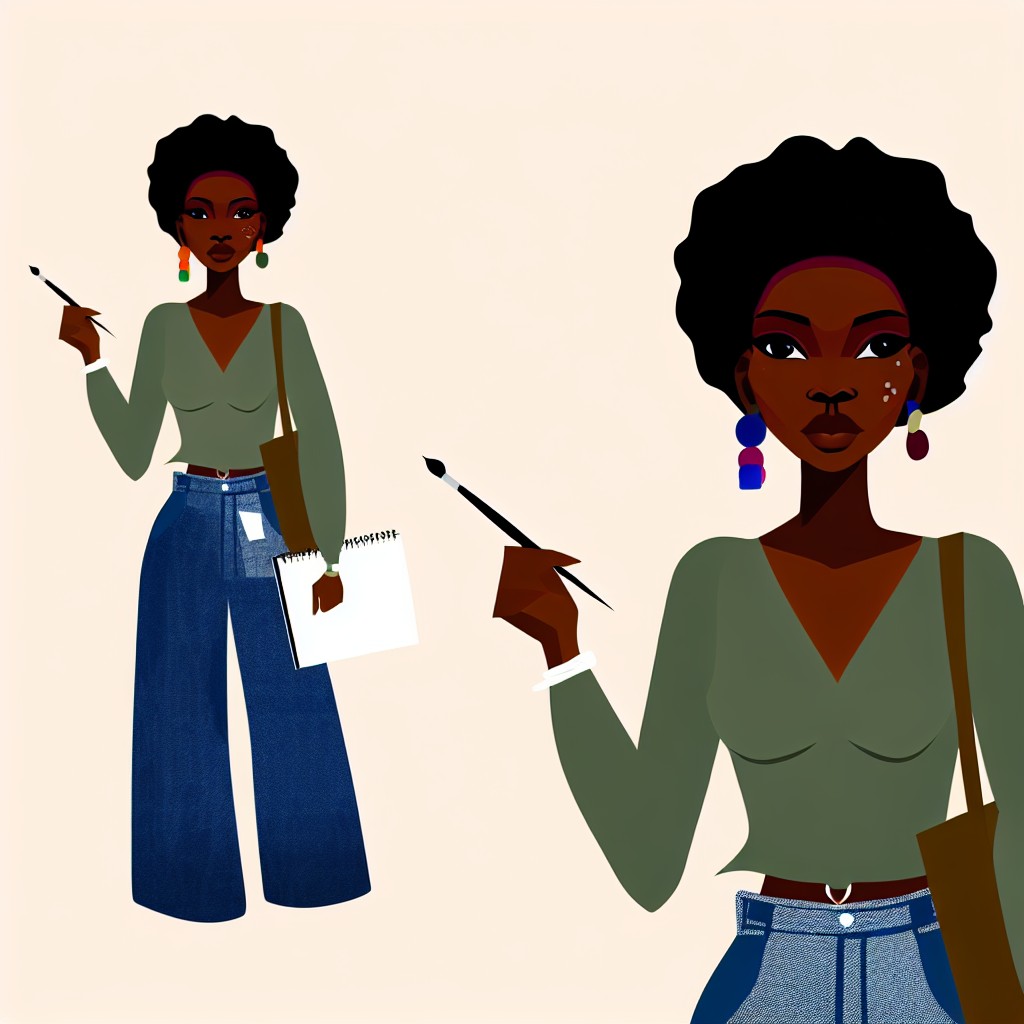
Overview of Traditional Nigerian Art Forms and Their Cultural Significance
Rich Diversity of Art Forms
Nigeria hosts a vast range of traditional art forms across its many ethnic groups.
Each art form reflects unique cultural identities and historical backgrounds.
For instance, the Yoruba, Igbo, and Hausa peoples have distinct artistic expressions.
These forms include sculpture, textile weaving, pottery, beadwork, and body art.
Furthermore, traditional arts often serve ceremonial and spiritual purposes.
Sculpture and Carving Traditions
Wood carving holds an important place in many Nigerian cultures.
The Benin and Ife kingdoms are famous for their bronze and brass sculptures.
These sculptures often depict royalty, ancestors, and deities.
Carvings symbolize power, history, and social status in their communities.
Moreover, masks crafted for festivals reflect spiritual beliefs and community values.
Textiles and Patterns
Nigerian textiles communicate identity through color and pattern.
The Yoruba produce Adire cloth using resist-dyeing techniques.
Additionally, the Hausa and Tiv people create intricate woven fabrics.
Textiles often mark rites of passage, celebrations, and social rank.
These fabrics blend artistry with storytelling traditions.
Beadwork and Ornamentation
Beads hold symbolic significance across many Nigerian cultures.
They often signify wealth, power, and spiritual protection.
For example, the Edo people use coral beads during royal ceremonies.
Beaded crowns, necklaces, and bracelets are common in traditional attire.
These adornments maintain cultural continuity and identity.
Role of Traditional Art in Nigerian Society
Traditional art forms reinforce community cohesion and shared beliefs.
They function as mediums for passing history and moral lessons.
Artists like Adebayo Ajayi and Chukwuemeka Nwafor continue to preserve these legacies.
Communities use art to express relationships with ancestors and nature.
Thus, traditional Nigerian art remains vital to cultural resilience.
Evolution of Modern Nigerian Art and Key Contemporary Artists
Historical Roots and Early Influences
Nigerian art evolved through a rich blend of indigenous traditions and colonial experiences.
Traditional art forms laid a foundation for cultural expression and visual storytelling.
Later, colonial rule introduced new materials and artistic techniques to local artists.
As a result, Nigerian artists began combining Western styles with native symbolism.
This fusion sparked a dynamic evolution in the country’s art scene.
Explore Stunning African Digital Art Prints!
Bring the beauty of Nigeria and Africa into your space with high-quality HD digital prints. Browse our collection on Instagram, find what speaks to you, and own a masterpiece today! See something you love? Send us a message on Instagram!
View Collection on InstagramEmergence of Modern Nigerian Art
Modern Nigerian art emerged prominently in the mid-20th century.
Artists sought to express contemporary realities while honoring cultural heritage.
During this period, art schools like Zaria College of Art gained international recognition.
Graduates from such institutions challenged traditional boundaries and experimented boldly.
Consequently, their works depicted both social issues and individual creativity.
Distinctive Characteristics of Modern Nigerian Art
Modern Nigerian art features vibrant colors and symbolic motifs from indigenous culture.
Artists often incorporate themes of identity, politics, and spirituality.
They use diverse media such as painting, sculpture, textiles, and multimedia installations.
Furthermore, narrative storytelling remains a crucial element in their creations.
Such innovations demonstrate the artists’ deep respect for tradition alongside modernity.
Notable Contemporary Nigerian Artists
Several contemporary artists continue shaping Nigeria’s modern art landscape today.
Chinwe Okafor is known for merging traditional patterns with abstract forms.
Her art explores gender roles and cultural memory through vivid compositions.
Anayo Eze crafts sculptures that reflect social transformation and urban life.
Moreover, Ifeoma Nwosu experiments with mixed media to challenge historical narratives.
These artists have exhibited internationally and gained critical acclaim.
Global Influence and Reach of Contemporary Nigerian Art
Contemporary Nigerian art attracts global collectors and inspires cross-cultural dialogue.
Art festivals in Lagos and Abuja serve as vital platforms for emerging talents.
Collaborations with international galleries expand exposure and influence worldwide.
Additionally, digital media enhances accessibility to Nigerian art for diverse audiences.
Thus, these artists actively contribute to the global contemporary art movement.
Influence of Indigenous Motifs and Symbolism in Contemporary Artworks
Rooted Tradition in Modern Expression
Nigerian artists frequently draw inspiration from indigenous motifs.
These motifs carry deep cultural and historical meanings.
Contemporary artworks often reflect traditional symbols.
For example, the uli designs from the Igbo culture influence many painters.
Similarly, the Yoruba adire patterns inspire textile artists nationwide.
Modern creators blend old symbols with new techniques.
This fusion creates artworks that resonate across generations.
Symbolism as a Visual Language
Indigenous symbolism acts as a vital visual language.
It conveys stories, beliefs, and social values without words.
Explore Stunning African Digital Art Prints!
Bring the beauty of Nigeria and Africa into your space with high-quality HD digital prints. Browse our collection on Instagram, find what speaks to you, and own a masterpiece today! See something you love? Send us a message on Instagram!
View Collection on InstagramArtists like Amina Bello incorporate symbolic motifs to express identity.
Symbols such as the ogboni leaf highlight wisdom and authority.
These elements enrich artworks with layered meanings.
Viewers engage both visually and intellectually with the art.
Preservation and Innovation Combined
Contemporary Nigerian artists play a key role in preserving cultural heritage.
They experiment by combining traditional forms with contemporary styles.
This approach keeps indigenous motifs relevant in global art conversations.
For instance, Olufunmilayo Adeoye merges bronze casting with digital art.
Such work bridges past and present artistry effectively.
Consequently, it promotes cultural pride and creative evolution simultaneously.
Common Indigenous Motifs in Contemporary Pieces
- Nsibidi symbols, representing communication and mysteries.
- Uli linear patterns, known for their fluid and organic shapes.
- Geometric Adinkra signs, which symbolize values like harmony and strength.
- Figurative carvings reflecting ancestral and spiritual connections.
These motifs serve as a foundation for artistic expression today.
They also preserve ancestral knowledge through visual means.
Impact on Contemporary Nigerian Art Market
The blend of modern and traditional elements attracts diverse collectors.
Galleries such as Orisun Art Gallery showcase works by artists like Chika Okeke.
These galleries emphasize cultural authenticity and innovation.
Moreover, indigenous symbolism adds unique value to artworks globally.
Collectors seek pieces that celebrate Nigeria’s rich heritage and modern creativity.
Find Out More: The Use of Geometric Patterns in Nigerian Art Prints
The Role of Technology and New Media in Modern Nigerian Art Expression
Emergence of Digital Tools in Art Creation
Technology reshapes how Nigerian artists create and share their work.
Digital tools such as tablets and graphic software have become widely accessible.
Artists like Emeka Ojukwu use digital painting to blend traditional motifs with contemporary styles.
Consequently, this innovation allows for greater experimentation and artistic freedom.
Moreover, 3D modeling and animation bring new dimensions to storytelling in Nigerian art.
Influence of Social Media Platforms
Social media platforms like Instagram and Twitter amplify Nigerian artists’ voices globally.
Artists such as Ifeoma Ude gain international followings by sharing their digital artworks online.
These platforms create communities that encourage collaboration and cultural exchange.
Additionally, social media helps market artworks directly to buyers without intermediaries.
Therefore, artists enjoy increased exposure and new revenue streams.
Virtual Galleries and Online Exhibitions
Virtual galleries provide exhibition spaces beyond physical limitations.
The Lagos-based collective Kulture Hub hosts online exhibitions showcasing emerging talents.
Explore Stunning African Digital Art Prints!
Bring the beauty of Nigeria and Africa into your space with high-quality HD digital prints. Browse our collection on Instagram, find what speaks to you, and own a masterpiece today! See something you love? Send us a message on Instagram!
View Collection on InstagramThese initiatives democratize art access and include diasporic Nigerian artists.
Furthermore, virtual reality technology offers immersive experiences of traditional and modern artworks.
This blend enriches audience interaction and appreciation of Nigeria’s artistic heritage.
Integration of Technology with Traditional Art Forms
Contemporary Nigerian artists integrate technology to preserve indigenous art techniques.
For example, textile artist Amarachi Okoye combines digital prints with handwoven fabrics.
This fusion respects cultural roots while appealing to modern aesthetics.
Likewise, augmented reality (AR) enhances traditional masks and sculptures through interactive elements.
Thus, technology acts as a bridge connecting past and present artistic expressions.
Accessibility Challenges and Supportive Opportunities
Despite growth, technological disparities affect some Nigerian artists’ access to tools.
Rural-based creators often face limited internet connectivity and resources.
However, organizations like NeoArt Labs provide training and equipment to underserved regions.
Such efforts enable wider participation in the digital art movement.
Consequently, Nigerian art continues to evolve dynamically at the intersection of tradition and innovation.
Learn More: The Role of Nigerian Art in African Identity Politics
Fusion of Traditional Craftsmanship with Modern Artistic Techniques
Blending Time-Honored Skills with Contemporary Vision
Nigerian artists integrate centuries-old craftsmanship into modern art forms.
Consequently, this fusion creates a captivating dialogue between past and present.
Artisans like Chinenye Okoro carefully apply traditional methods alongside innovative practices.
This approach preserves cultural heritage while encouraging creative evolution.
Additionally, artists use indigenous materials combined with new media to express fresh ideas.
Innovative Materials and Tools Enhancing Traditional Motifs
Modern painters like Adewale Folayemi experiment with digital design to reimagine textile patterns.
Meanwhile, sculptors such as Ijeoma Eze incorporate metal and resin with classic woodcarving techniques.
These modern materials add durability and texture to age-old art styles.
Moreover, contemporary technologies enable artists to reach wider audiences.
For example, 3D printing helps reproduce traditional sculptures with precise detail.
Collaborative Efforts in Contemporary Nigerian Art
Many galleries now feature exhibitions highlighting this blend of tradition and modernity.
The Lagos-based studio, Amina Creative Hub, supports artists merging these disciplines.
They facilitate workshops where emerging talents learn traditional crafts enhanced by digital tools.
Furthermore, collaborations between master craftsmen and young creatives spark fresh perspectives.
This teamwork nurtures a continuous cultural exchange and artistic growth.
Influence on Cultural Identity and the Global Art Scene
The fusion of traditional and modern art strengthens Nigerian cultural identity worldwide.
Explore Stunning African Digital Art Prints!
Bring the beauty of Nigeria and Africa into your space with high-quality HD digital prints. Browse our collection on Instagram, find what speaks to you, and own a masterpiece today! See something you love? Send us a message on Instagram!
View Collection on InstagramArtists like Ifeanyi Nwosu promote indigenous narratives through avant-garde presentations.
Consequently, Nigerian art gains recognition at international fairs and museum collections.
This duality appeals to diverse audiences and collectors seeking meaningful cultural stories.
Therefore, the evolving art scene reflects both pride in heritage and a willingness to innovate.
Explore Further: The Spiritual and Ritualistic Elements of African Art
Impact of Globalization on the Preservation and Transformation of Nigerian Art
Global Exposure and Cultural Exchange
Globalization has increased exposure to Nigerian art through international exhibitions.
Artists like Ngozi Eze and Kunle Adeyemi showcase Nigerian traditions worldwide.
This exchange allows traditional motifs to influence global contemporary designs.
Consequently, Nigerian art gains appreciation beyond its borders and inspires fusion styles.
However, this exposure also challenges artists to balance global appeal with cultural authenticity.
Preservation of Traditional Techniques
Global interest motivates artisans to preserve indigenous techniques and materials.
For example, Adamu Bello champions the use of traditional indigo dyeing in modern textiles.
Furthermore, international grants provide funding for cultural preservation projects.
These efforts help sustain crafts such as beadwork, woodcarving, and leather production.
Thus, globalization supports both economic viability and the survival of traditional practices.
Transformation Through Innovation
Global influences encourage Nigerian artists to experiment with new media and themes.
Digital artist Folake Adebayo blends Yoruba symbolism with virtual reality technology.
Moreover, contemporary galleries like Lagos Arts Hub promote experimental and hybrid forms.
Artists integrate African heritage with global narratives to address modern issues.
Therefore, globalization acts as a catalyst for creative evolution in Nigerian art.
Challenges of Cultural Commodification
Global markets sometimes commodify Nigerian art, risking cultural dilution.
Mass-produced crafts lose their unique symbolic meanings under commercial pressure.
Local critics warn against over-commercialization that prioritizes profit over tradition.
Artists like Chika Onuora advocate for ethical practices that respect cultural heritage.
Hence, sustaining integrity requires vigilance from artists, communities, and buyers alike.
Role of Nigerian Institutions and Diaspora Networks
Nigerian museums and cultural centers actively promote heritage preservation globally.
The National Museum in Abuja collaborates with diasporic artists for cultural projects.
Similarly, diaspora communities create platforms like AfroArt Collective in New York.
These networks provide resources, mentorship, and avenues for cultural exchange.
In this way, globalization connects Nigerian art traditions with global audiences and support systems.
Explore Stunning African Digital Art Prints!
Bring the beauty of Nigeria and Africa into your space with high-quality HD digital prints. Browse our collection on Instagram, find what speaks to you, and own a masterpiece today! See something you love? Send us a message on Instagram!
View Collection on InstagramFind Out More: The Use of Nature Motifs in Nigerian and African Art
The Intersection of Nigerian Art with African Diasporic Identities and Narratives
Shared Cultural Roots and Influences
Nigerian art deeply connects with African diasporic identities through shared cultural histories.
Artists across the diaspora often draw inspiration from Nigerian traditional motifs and storytelling.
Consequently, visual and performance arts reflect intertwined ancestral narratives and spiritual symbolism.
Additionally, contemporary Nigerian artists create works that dialogue with diasporic experiences abroad.
This exchange fosters a dynamic cultural conversation bridging continents and generations.
The Role of Identity in Artistic Expression
Identity remains central to understanding the fusion of modern and traditional Nigerian art.
Many artists explore themes of migration, memory, and belonging within diasporic contexts.
For example, Kehinde Afolayan incorporates traditional Yoruba patterns with global urban styles.
Similarly, diaspora-based creatives like Amara Okoye highlight hybridity in their works.
Through this, they challenge and reshape narratives about African identities worldwide.
Artistic Collaborations and Diasporic Networks
Collaborations between Nigerian and diaspora artists enrich artistic perspectives significantly.
The Lagos-based collective Ubuntu Arts frequently partners with American and Caribbean creators.
These projects blend traditional Nigerian techniques with diasporic contemporary forms.
Moreover, exhibitions such as “Echoes of Home” display diverse African diasporic stories fused with Nigerian aesthetics.
Such networks affirm the ongoing dialogue within the global African artistic community.
Impact on Contemporary Art Markets and Audiences
The intersection influences both domestic and international art markets.
Collectors increasingly seek works that represent diasporic and Nigerian cultural hybridity.
Galleries like Ebele Art House promote exhibitions showcasing this artistic convergence.
Furthermore, audiences worldwide gain exposure to multifaceted African and diasporic narratives.
Therefore, this intersection shapes how Nigerian and diasporic art gain visibility and value.
Preserving Tradition While Embracing Innovation
Artists balance honoring Nigerian traditions with embracing modern diasporic influences.
They use innovative materials and digital media alongside age-old artistic practices.
For instance, visual artist Chidi Anozie merges bronze casting with contemporary themes of identity.
Likewise, diasporic musicians integrate indigenous rhythms with global genres to express cultural unity.
This balance safeguards cultural heritage while promoting artistic evolution.
Exhibitions Showcasing the Blend of Old and New Nigerian Art
Celebrating Heritage and Innovation in Art Spaces
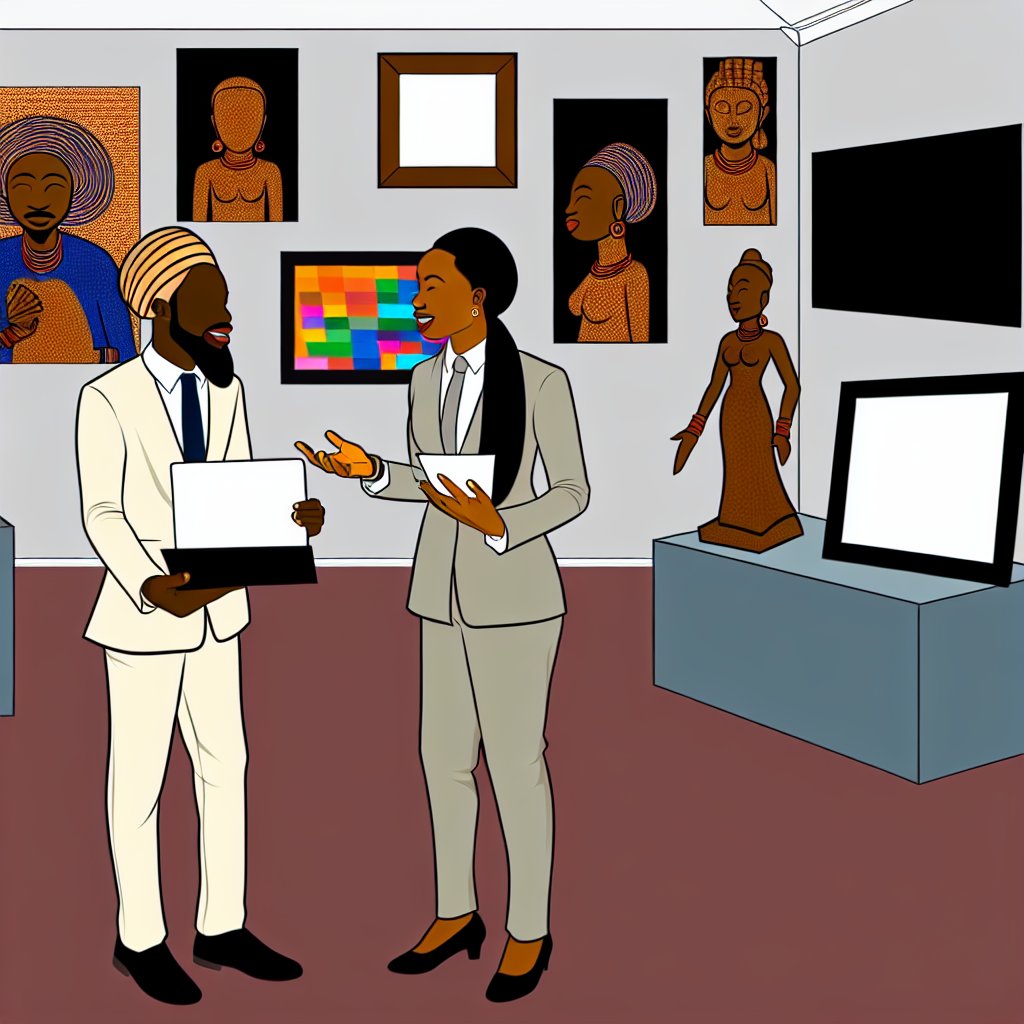
The Lagos Contemporary Art Museum frequently hosts exhibitions combining traditional and modern Nigerian art.
These events highlight works by artists who merge ancestral motifs with contemporary techniques.
Furthermore, the Zenith Arts Gallery promotes emerging talents exploring this fusion.
Artists like Emeka Onwude and Ifeoma Adesanya often exhibit pieces that dialogue between past and present.
Explore Stunning African Digital Art Prints!
Bring the beauty of Nigeria and Africa into your space with high-quality HD digital prints. Browse our collection on Instagram, find what speaks to you, and own a masterpiece today! See something you love? Send us a message on Instagram!
View Collection on InstagramMoreover, the Abuja Art Fair provides a dynamic platform for diverse artistic expressions rooted in Nigerian culture.
Influential Exhibition Themes and Impact
Exhibitions often focus on storytelling through mixed media that reflect Nigeria’s evolving cultural identity.
This approach engages audiences in understanding historic influences alongside modern creativity.
Organizers encourage interactive installations that invite viewers to connect personally with the art.
Consequently, these exhibitions foster appreciation for artistic innovation grounded in tradition.
Galleries Championing Hybrid Nigerian Art Forms
Leading Galleries Bridging Traditional and Contemporary Art
The Harmattan Gallery in Ibadan actively curates collections showcasing this artistic intersection.
It supports artists integrating indigenous materials and digital art forms.
Meanwhile, the Eko Fine Arts Circle exhibits painters and sculptors blending folklore with urban narratives.
In addition, the Terra Firma Art Studio promotes collaboration between veteran master artists and young creators.
Such partnerships expand understanding and respect for Nigeria’s artistic heritage in modern times.
Gallery Initiatives Enhancing Artistic Dialogue
Galleries also organize panel discussions and workshops on the evolving aesthetics of Nigerian art.
These initiatives deepen engagement between artists, collectors, and the public.
They provide avenues for sharing techniques and inspirations across generations.
As a result, galleries play a vital role in sustaining the creative synergy between old and new styles.
Platforms Nurturing the Fusion of Traditional and Modern Nigerian Art
Online Communities and Digital Showcases
Platforms like AfroArt Connect spotlight artists blending cultural roots with contemporary trends.
This digital space allows artists such as Zainab Tijani and Chinedu Okoro to gain wider recognition.
They share portfolios, conduct virtual exhibitions, and engage with global audiences effectively.
Additionally, social media campaigns by art collectives raise awareness of Nigeria’s rich visual heritage.
Residencies and Collaborative Programs
The Heritage Arts Residency invites creatives to explore historical themes using modern methodologies.
Participants collaborate to produce works that dialogue across time periods.
Institutions like the Nsukka Creative Hub facilitate these residencies with expert mentorship.
They foster innovation while preserving traditional artistic expressions for future generations.
Challenges in Sustaining Traditional Art within Modern Practices
Preservation of Cultural Identity
Many artists struggle to maintain traditional art forms amidst modern influences.
They often face pressure to conform to contemporary trends.
Consequently, the unique cultural identity embedded in traditional art risks being diluted.
Moreover, younger generations show less interest in learning ancestral techniques.
Therefore, passing down cultural knowledge becomes increasingly difficult.
Economic and Market Limitations
Traditional artists often encounter limited financial incentives compared to modern art creators.
They face challenges in reaching wider markets beyond local communities.
Furthermore, mass-produced art threatens the value of handcrafted traditional pieces.
Explore Stunning African Digital Art Prints!
Bring the beauty of Nigeria and Africa into your space with high-quality HD digital prints. Browse our collection on Instagram, find what speaks to you, and own a masterpiece today! See something you love? Send us a message on Instagram!
View Collection on InstagramCollectors sometimes prefer flashy modern designs over subtle, traditional works.
These economic barriers discourage artisans from continuing ancestral practices.
Technological Gaps
Modern technology revolutionizes art production but traditional artists may lack access.
This gap limits their ability to showcase work digitally to global audiences.
In addition, integrating technology without compromising authenticity proves challenging.
Despite this, some artists successfully blend old and new methods.
They use social media to educate and promote traditional art effectively.
Opportunities in Combining Traditional and Modern Art
Creative Fusion and Innovation
Many contemporary Nigerian artists merge traditional motifs with modern styles.
This fusion sparks innovative expressions that resonate globally.
For example, Adaeze Okeke incorporates uli patterns in digital prints.
Such creativity revives interest in cultural heritage uniquely.
It also encourages diverse audiences to appreciate Nigerian art traditions.
Educational Initiatives and Collaborations
Organizations like the Ife Arts Foundation promote workshops on traditional crafts.
They connect elder artisans with emerging creatives, enabling knowledge transfer.
Universities increasingly offer courses combining legacy art with modern techniques.
Furthermore, collaborations between galleries help expand exposure for traditional artists.
These initiatives create supportive communities fostering sustainable artistic practices.
Global Markets and Digital Platforms
Online marketplaces enable traditional artists like Chibuzo Uwakwe to sell internationally.
Social media campaigns raise awareness and attract cultural tourists.
Additionally, virtual exhibitions open new venues for heritage art appreciation.
Smart use of digital tools empowers artists to maintain cultural relevance.
This approach increases income opportunities while preserving artistic roots.
Case Studies of Artists Successfully Bridging Traditional and Contemporary Styles
Oluwaseyi Adebayo’s Fusion of Yoruba Heritage and Modern Techniques
Oluwaseyi Adebayo blends Yoruba symbolism with vibrant contemporary design.
He draws inspiration from traditional textiles and carvings.
His art incorporates digital media alongside classic motifs.
Consequently, Oluwaseyi’s work appeals to global audiences.
Furthermore, he educates communities about cultural preservation through workshops.
Amaka Nwosu’s Exploration of Igbo Masks in Abstract Forms
Amaka Nwosu reinterprets Igbo masquerade masks using abstract painting.
She experiments with color to evoke spirituality and identity.
Her exhibitions showcase a dialogue between heritage and modern expression.
Explore Stunning African Digital Art Prints!
Bring the beauty of Nigeria and Africa into your space with high-quality HD digital prints. Browse our collection on Instagram, find what speaks to you, and own a masterpiece today! See something you love? Send us a message on Instagram!
View Collection on InstagramMoreover, Amaka collaborates with fashion designers to extend her art into wearables.
Thus, she keeps traditional motifs relevant in contemporary contexts.
Bamidele Okorafor’s Sculptural Innovations Inspired by Benin Bronzes
Bamidele Okorafor transforms ancient Benin bronze styles into large-scale sculptures.
He utilizes mixed metals and recycled materials for sustainability.
His public installations provoke reflection on history and modernity.
Subsequently, Bamidele’s work bridges past craftsmanship with futuristic visions.
Additionally, he mentors emerging Nigerian sculptors, fostering creative growth.
Influence of These Artists on the Nigerian Art Scene
Their success encourages young artists to embrace cultural roots.
They prove that tradition can coexist with innovation effectively.
Furthermore, galleries and collectors increasingly recognize this hybrid style.
As a result, Nigerian art gains prominence on international platforms.
Collectively, these artists redefine identity through creative synthesis.
Additional Resources
Sound Art as a Contemporary Medium This workshop explores …
A Night for the Nigerian Modernists! 🖼️ @tate @andreaiyamah